Want to go deeper? ESA, Juice has the full story and the latest updates.
 For Further Information
ESA's Juice will study Ganymede, Callisto and Europa, with 35 moon flybys after it reaches Jupiter in July 2031.
Image: NASA/JPL-Caltech.
A spacecraft with 85 square metres of solar wings and ten instruments, studying Jupiter and three ocean-bearing moons.
Source: ESA, Juice
Launched April 14, 2023 on Ariane 5; Earth flybys September 2026 (done) and January 2029; arrival July 2031.
Source: ESA, Juice
To characterise the icy moons as possible habitats and learn how gas giants and their moons form.
Source: ESA, Juice
Agency solution · active
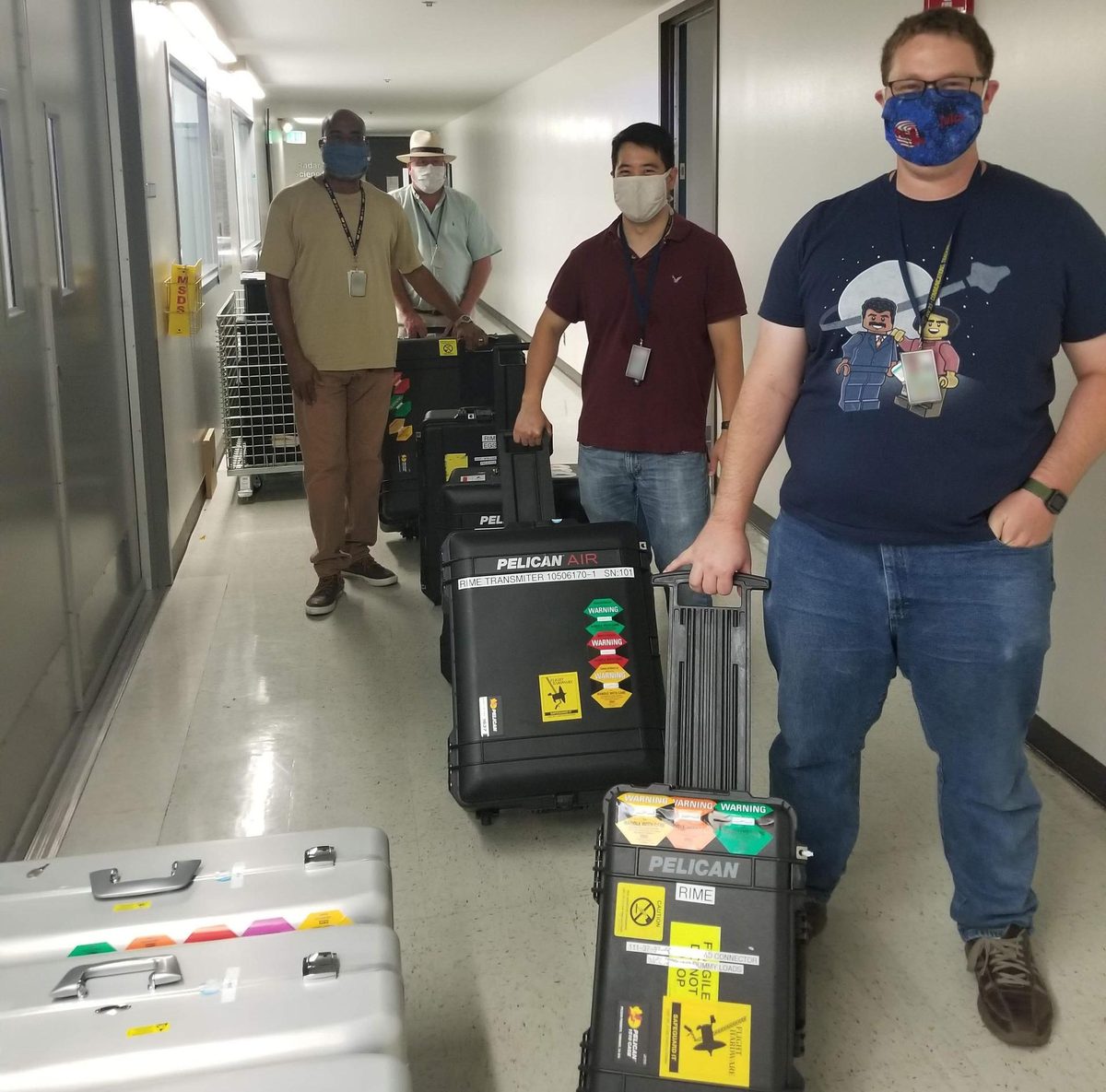
ESA's Jupiter Icy Moons Explorer, Juice, launched on April 14, 2023 to study Jupiter and its three large ocean-bearing moons, Ganymede, Callisto and Europa, as both worlds and possible habitats. Its September 2026 Earth flyby is done; the next is in January 2029, and it reaches Jupiter in July 2031 for 35 moon flybys. NASA's JPL built parts of its RIME radar, which probes beneath the ice.
Source: ESA, Juice
Comparing ocean moons with our own ocean planet helps explain what makes a world habitable, and how rare Earth is.
Want to go deeper? ESA, Juice has the full story and the latest updates.
For Further Information