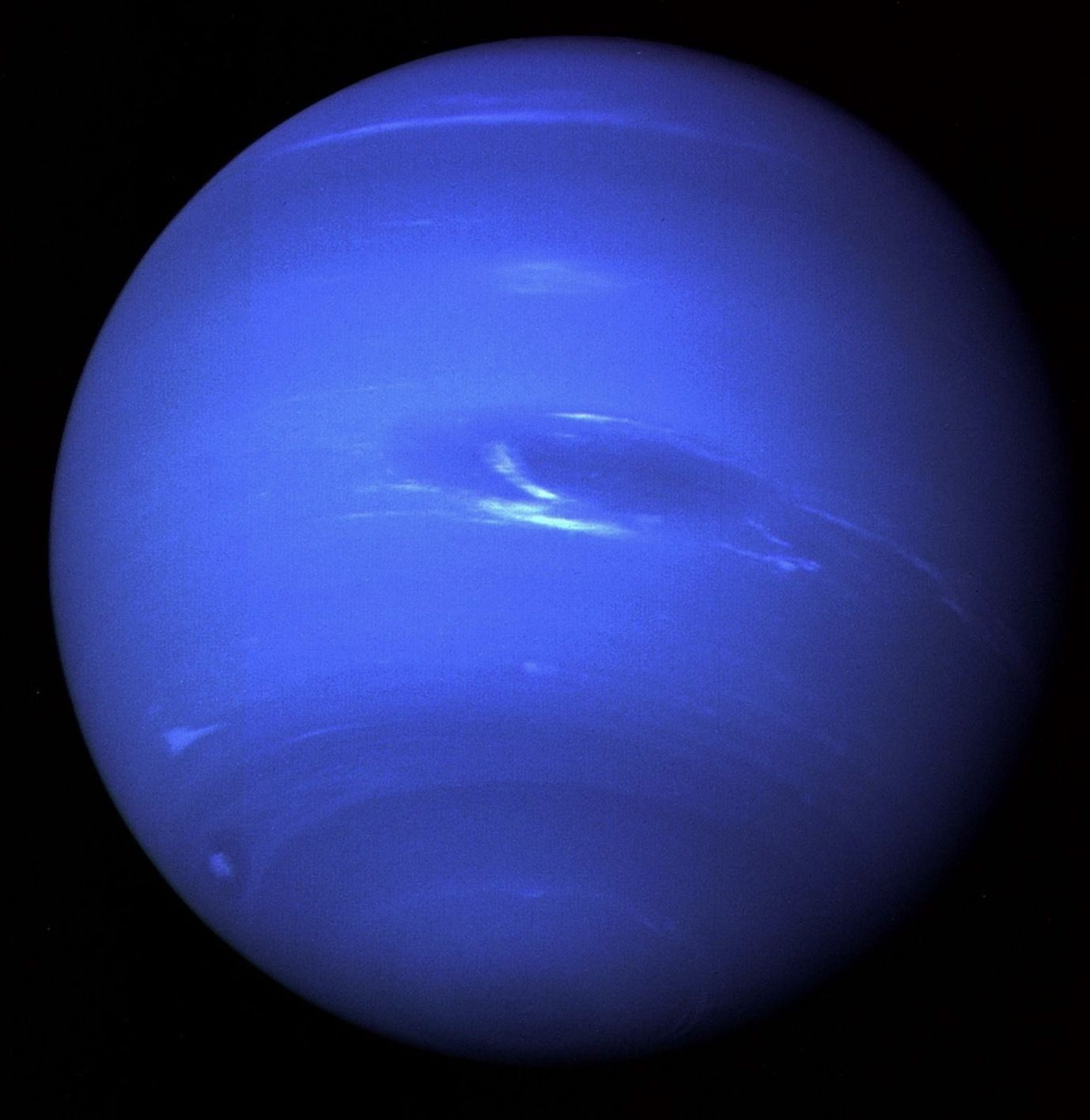
Space Disposal (created by mankind)
Robotic capture and deorbit of legacy debris — servicer spacecraft that rendezvous with dead rocket bodies and satellites, grab them with robotic arms, and lower their orbits so they burn up in the atmosphere.
The two-way relationship between Earth and space. Project R is named for Rawane — because the best projects start with someone you love.
It follows Errol Scales' work on orbital debris removal. It also follows Astroscale's ADRAS-J mission, which photographed an 11-meter, 3-ton Japanese H-IIA rocket upper stage in 2024 — an object never designed to be captured. ADRAS-J2, Phase II of JAXA's CRD2 program worth about 13.2 billion yen, will use a robotic arm to capture that same non-cooperative debris and lower its orbit so it burns up in the atmosphere. Launch is targeted for fiscal 2027 on Isar Aerospace's Spectrum rocket from Norway. It is the mission that turns an inspection demo into the world's first removal of legacy debris — proof that the relationship between Earth and space runs both ways.
Saving Planets, highlighting Project Rawane as a space-and-planet initiative.
Project Rawane is the two-way relationship between Earth and space — space work like debris removal, space-based solar power, and Earth observation that protects life on the ground, and planetary work like cleanup and conservation that keeps orbits usable.
Ongoing, with the flagship mission ADRAS-J2 targeted for fiscal 2027.
Low Earth orbit, Norway's launch site, and everywhere the debris and its effects reach.
Space and Earth are one system. Debris threatens the satellites we rely on, and what we do on the ground shapes what happens above us. Protecting one protects the other.
Robotic capture and deorbit of legacy debris — servicer spacecraft that rendezvous with dead rocket bodies and satellites, grab them with robotic arms, and lower their orbits so they burn up in the atmosphere.
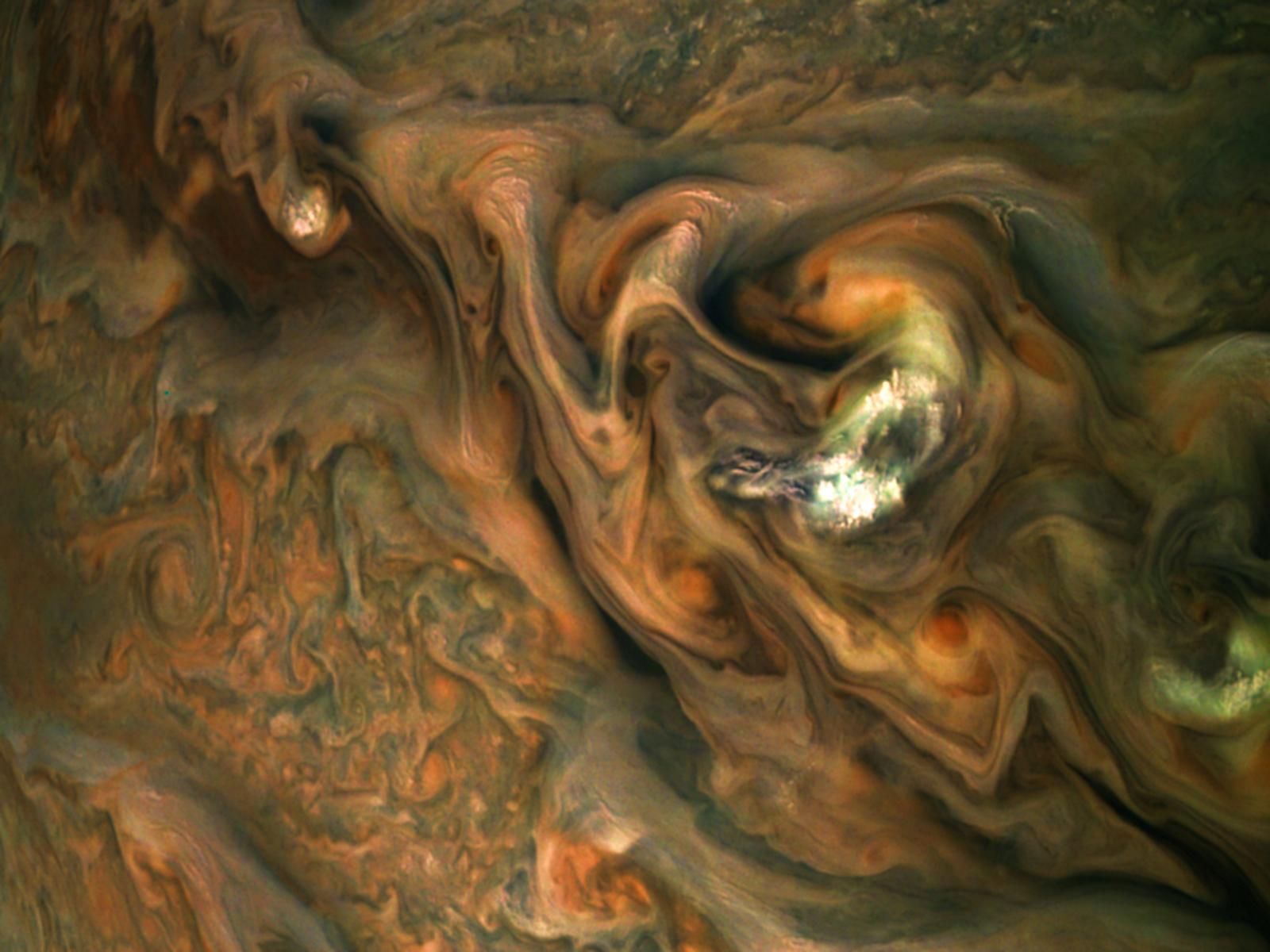
Earth's upper atmosphere pulls low-orbit junk down to burn up, and Jupiter's gravity swallows or flings away comets and asteroids.
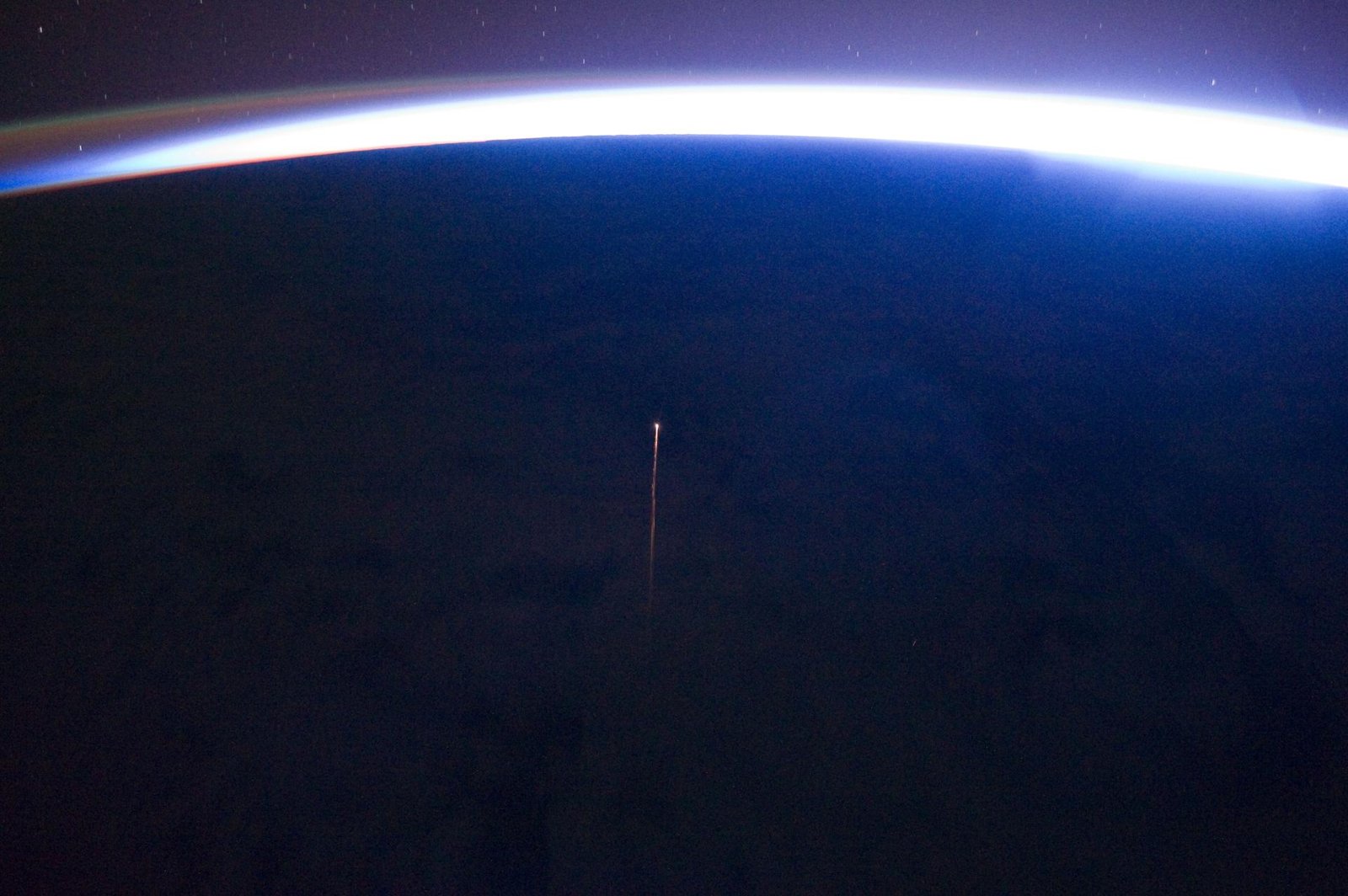
Atmospheric drag is a natural space debris removal system: it pulls low-orbit junk down to burn up, faster when the Sun is active, but barely works high up.
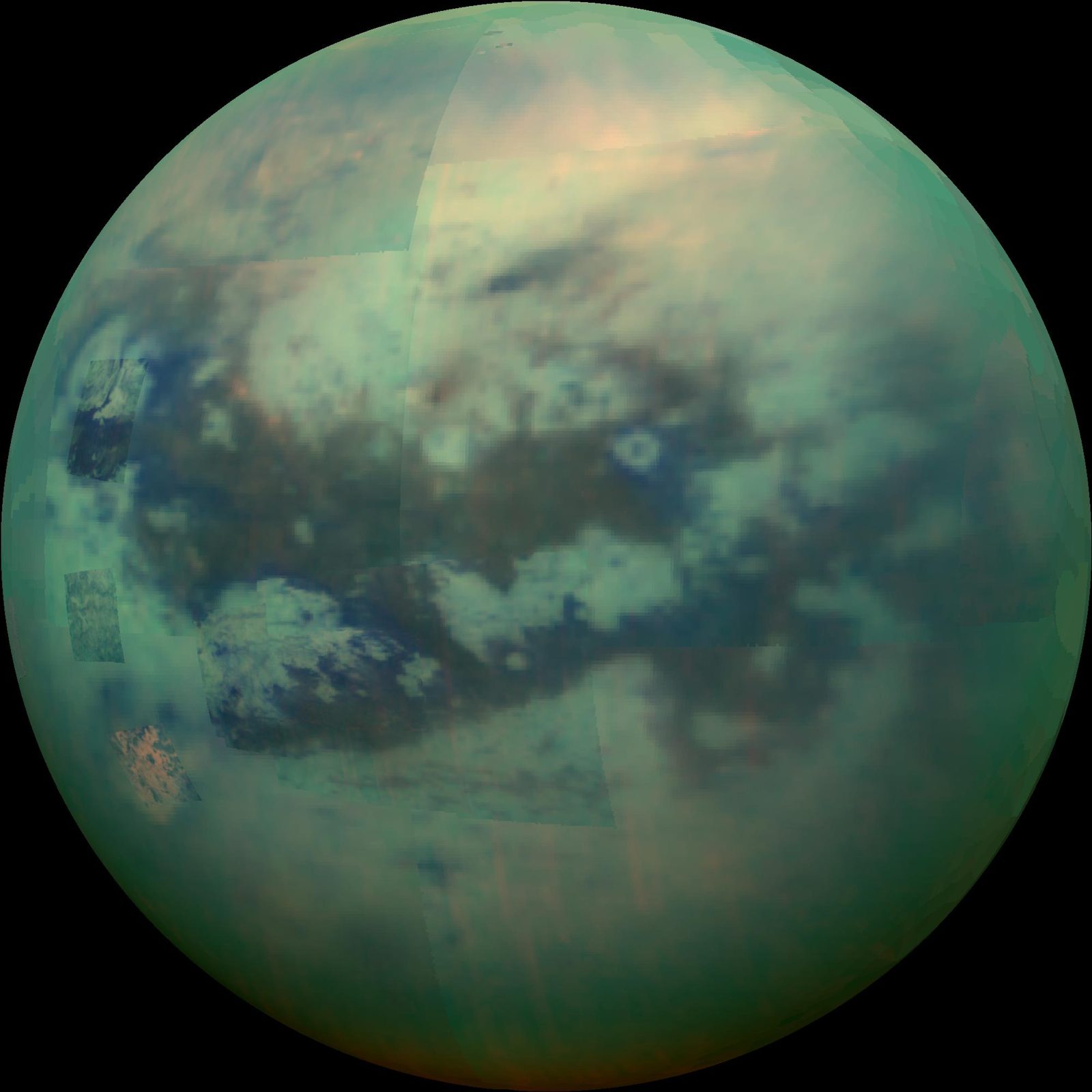
Titan is a prebiotic time capsule, and NASA's Dragonfly rotorcraft explores it from 2034, building radar, power and autonomy tools that matter for Earth.
Jupiter is a natural space debris removal system that swallows or flings away far more dangerous objects than any human mission could.
Astroscale inspects, services and removes debris in orbit: ELSA-d, ADRAS-J's 2024 close-up of an H-IIA upper stage, and ADRAS-J2, targeted for fiscal 2027.
ClearSpace leads Europe's first active debris removal mission and provides in-orbit servicing.
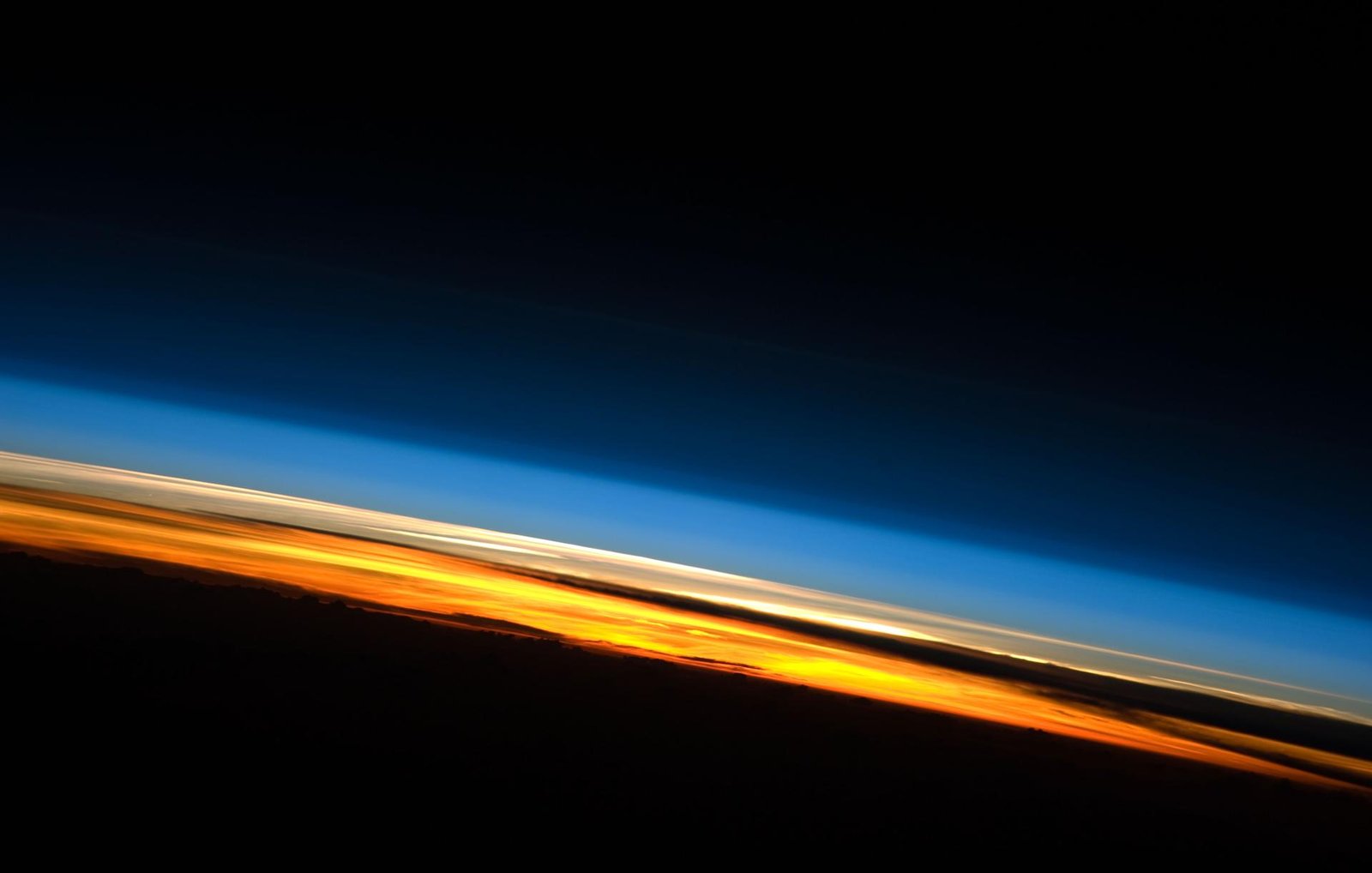
LeoLabs runs a global network of ground radars tracking satellites and debris in low Earth orbit, turning the data into collision warnings (company figures).
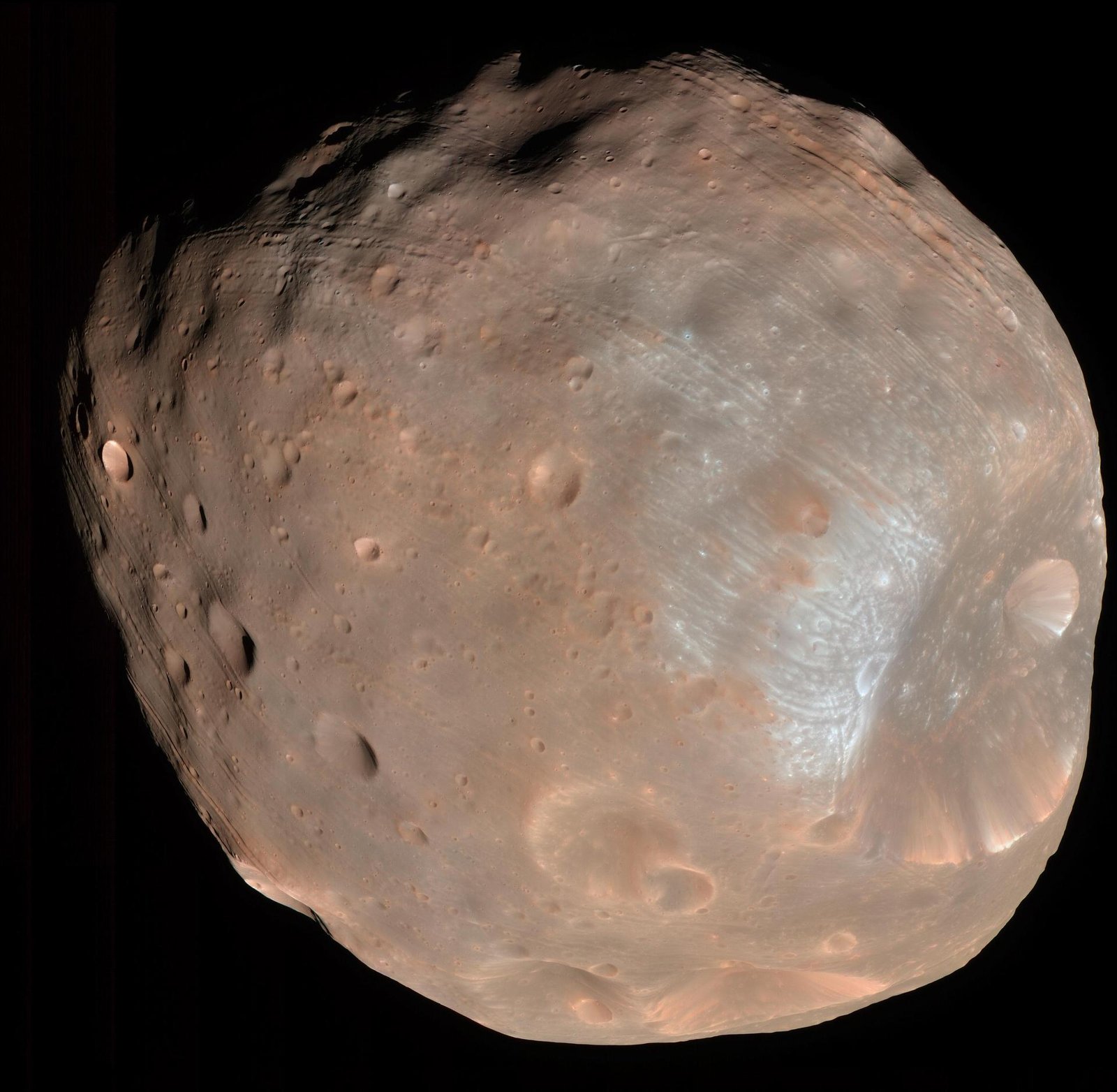
JAXA's MMX launches October 2026 to land on Mars's moon Phobos and return at least 10 grams of it to Earth in 2031, a first for the Mars system.
PRELUDE is a ClearSpace and ESA mission planned for June 2027 to validate close-proximity rendezvous technology. A potential solution on the horizon.
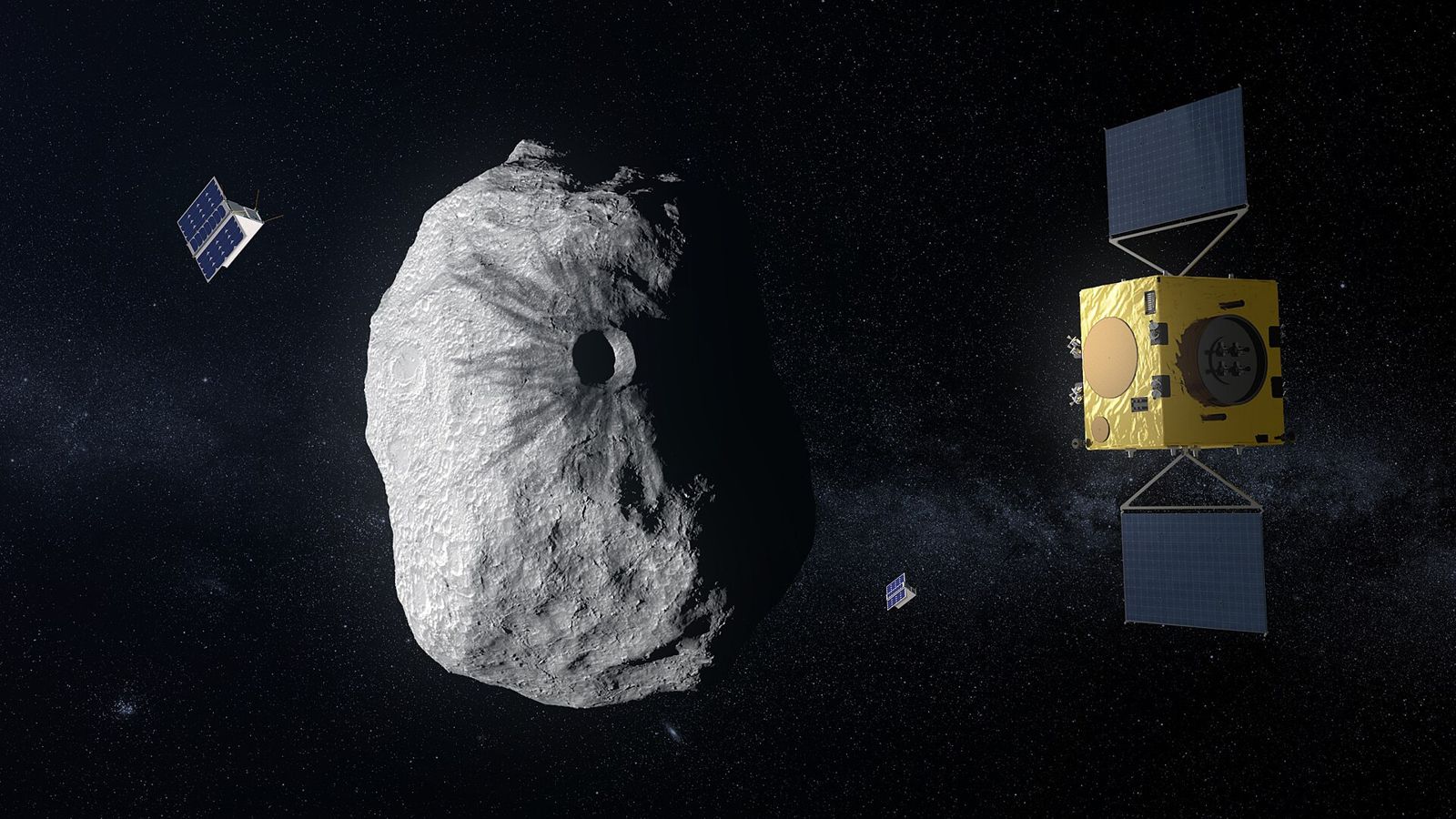
ESA's Hera arrives at the asteroid Dimorphos in November 2026 to measure what NASA's DART impact did, turning deflection into a repeatable defense.
Jupiter is a natural space debris removal system that swallows or flings away far more dangerous objects than any human mission could.
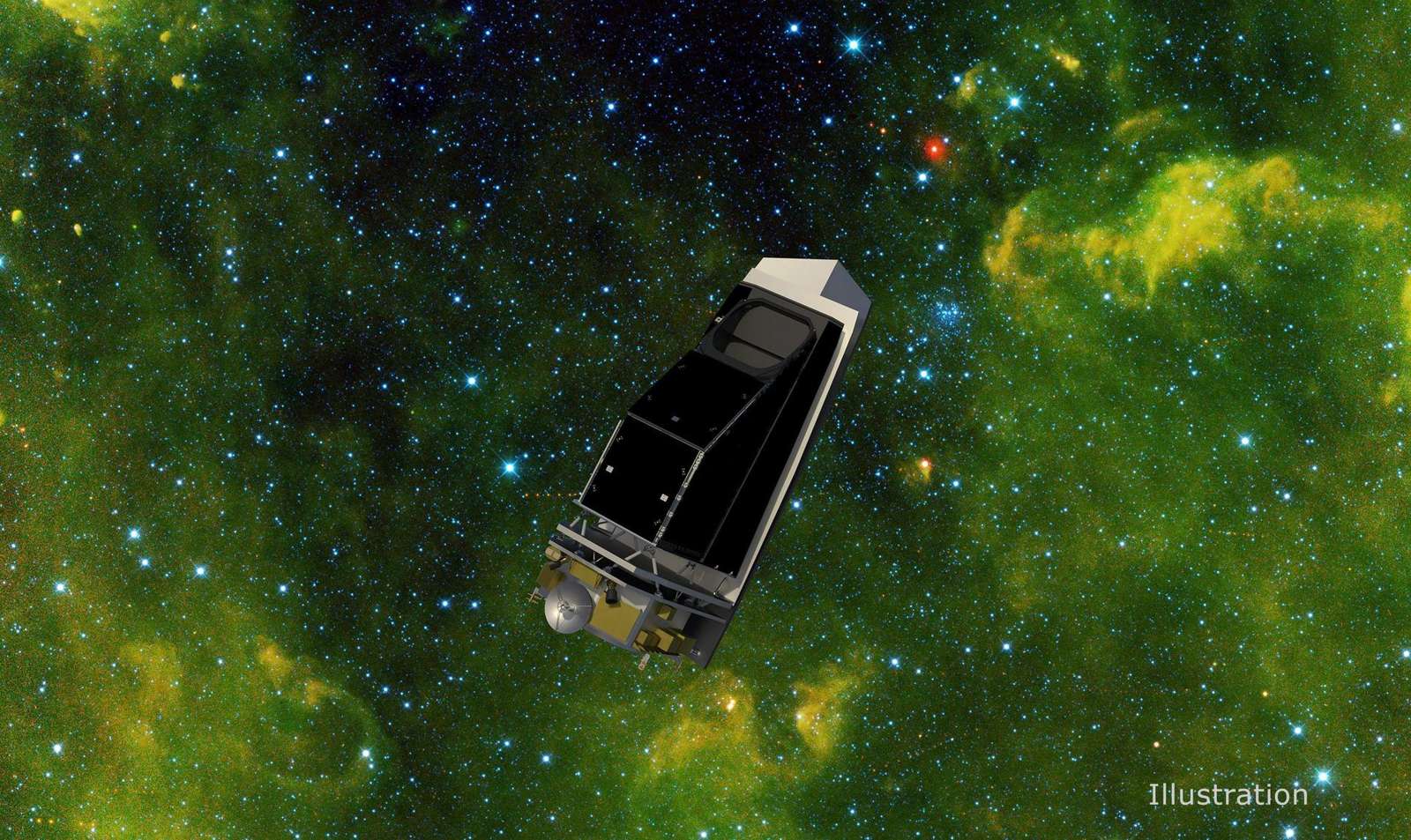
NASA NEO Surveyor is the first space telescope built to find hazardous asteroids, including dark ones hidden in the Sun's glare. Launch NET September 2027.
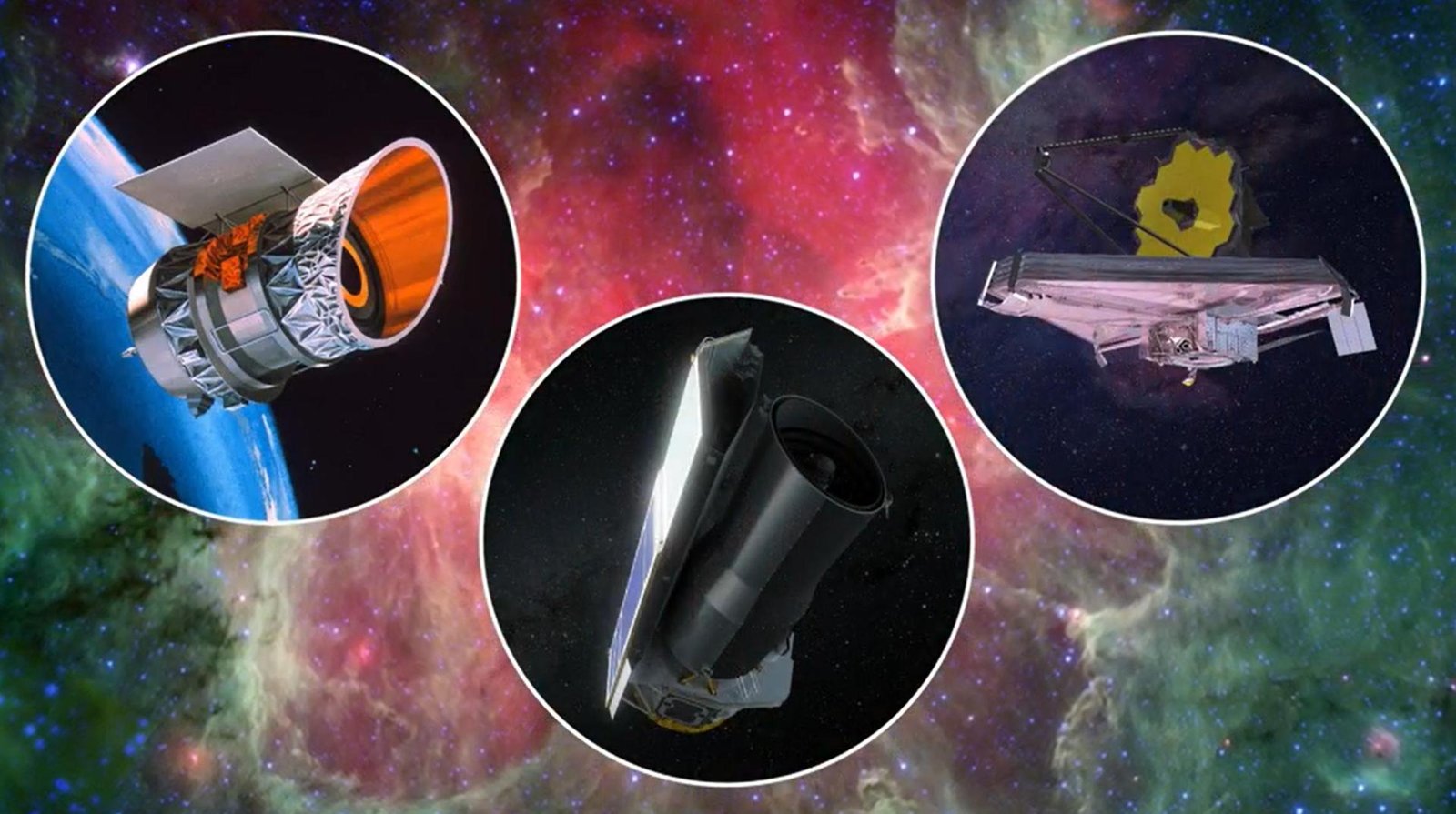
How the James Webb Space Telescope tracked asteroid 2024 YR4 in February 2026 and ruled out a 2032 Moon impact, two years before ground telescopes could.
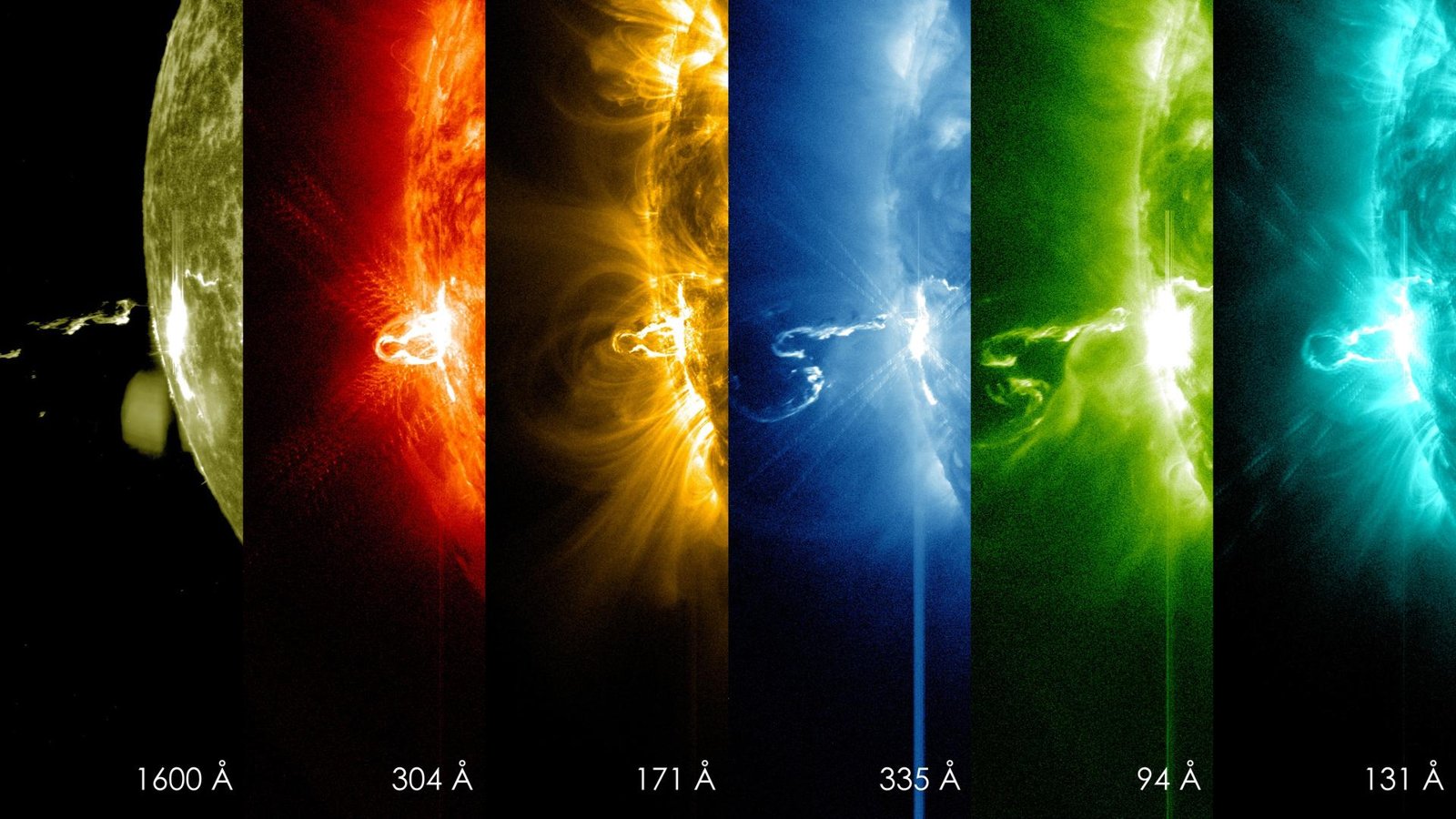
Aditya-L1 is ISRO's first space-based solar observatory, studying the Sun from a halo orbit around L1, about 1.5 million km from Earth.
NOAA's SOLAR-1 (formerly SWFO-L1) watches the Sun from L1, about one million miles from Earth, streaming space weather data to forecasters in real time.
Three natural shields protect Earth: the heliosphere, the magnetosphere, and the atmosphere and ozone layer.
ESA's Vigil will watch the Sun from L5, giving up to four to five days' notice of certain space weather effects. Launch is planned for 2031.
Want to go deeper? Visit NASA Orbital Debris Program Office.
 For further information