Astroscale
Astroscale inspects, services and removes debris in orbit: ELSA-d, ADRAS-J's 2024 close-up of an H-IIA upper stage, and ADRAS-J2, targeted for fiscal 2027.
Space disposal has moved from slides to hardware. In 2024 Astroscale's ADRAS-J flew to within about 15 meters of a large piece of debris and photographed it. The next step is no longer looking. It is removing.
ADRAS-J2 is Astroscale's follow-on mission and Phase II of JAXA's Commercial Removal of Debris Demonstration (CRD2) program, a contract worth about 13.2 billion yen. It targets the same Japanese H-IIA rocket upper stage that ADRAS-J photographed in 2024 — an 11-meter, 3-ton object never designed to be captured. ADRAS-J2 will use a robotic arm to capture that non-cooperative debris and lower its orbit so it burns up in the atmosphere. Launch is targeted for Japan's fiscal 2027 (April 2027 to March 2028) on Isar Aerospace's Spectrum rocket from Andøya, Norway. It turns an inspection demo into the world's first removal of legacy debris.
Europe is close behind with ClearSpace: PRELUDE in June 2027, then ClearSpace-1 for ESA's PROBA-1 (targeted 2028; ESA lists 2029). Full stories: Astroscale and ClearSpace.
PRELUDE (with ESA). This is a potential solution ClearSpace is advancing. We expect to know more within the next nine months and will keep you updated here.
The organizations doing hands-on debris removal: Astroscale and the Japan Aerospace Exploration Agency (JAXA) in Japan, and ClearSpace working with the European Space Agency (ESA) in Europe.
Robotic capture and deorbit of legacy debris — servicer spacecraft that rendezvous with dead rocket bodies and satellites, grab them with robotic arms, and lower their orbits so they burn up in the atmosphere.
Ongoing. Inspection missions have already flown, and the first capture-and-removal missions are targeted for 2027–2028.
Low Earth orbit — the crowded band a few hundred kilometers up where most debris, and most of the satellites we depend on, travel.
Debris threatens the satellites that monitor our climate and guide ships safely across the ocean. One collision can make thousands of new fragments. Protecting orbits protects Earth.
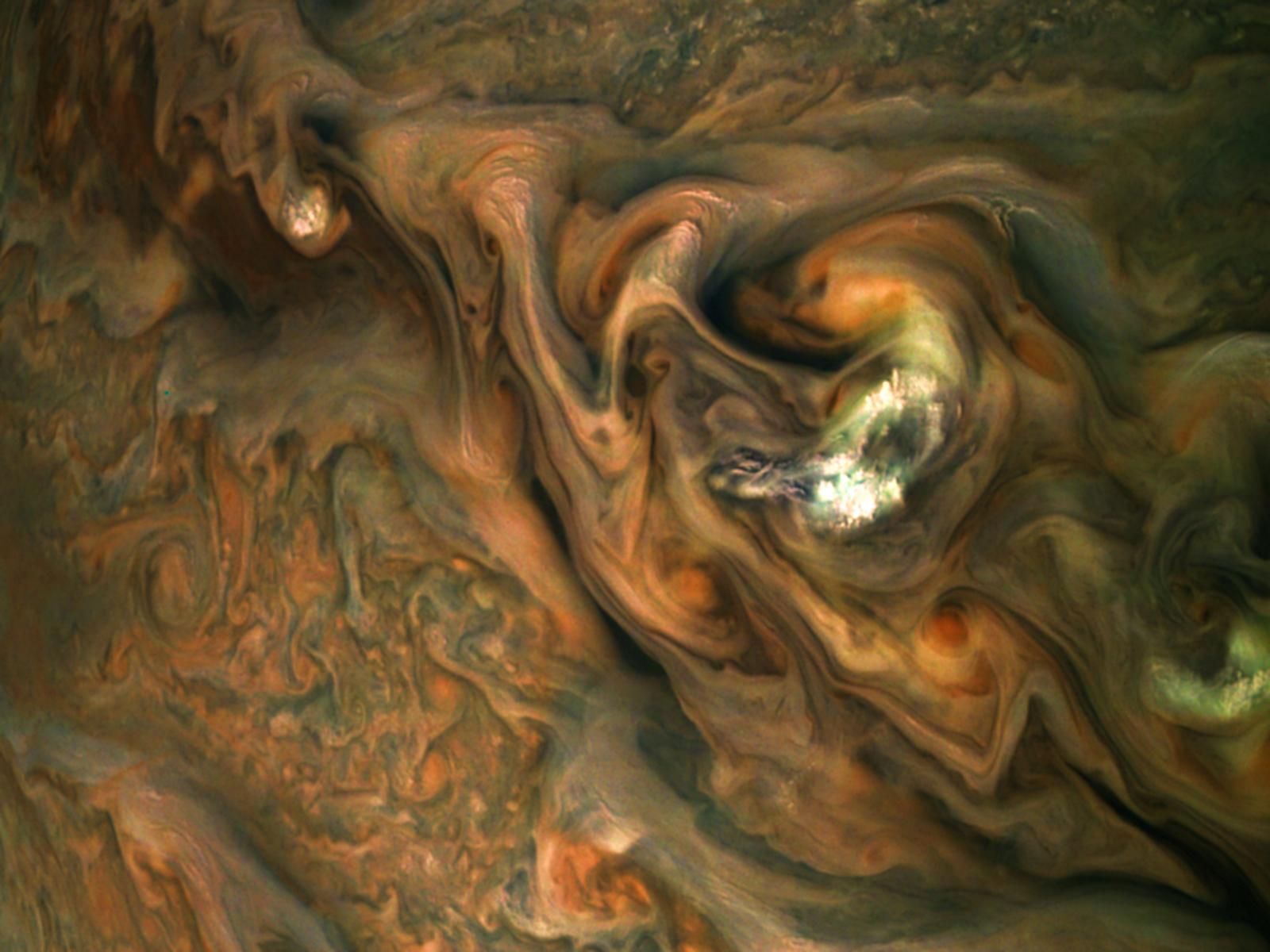
The original debris remover. Jupiter's gravity swallows or flings away comets and asteroids, taking comet impacts roughly 2,000 times more often than Earth, with honest trade-offs for asteroids.
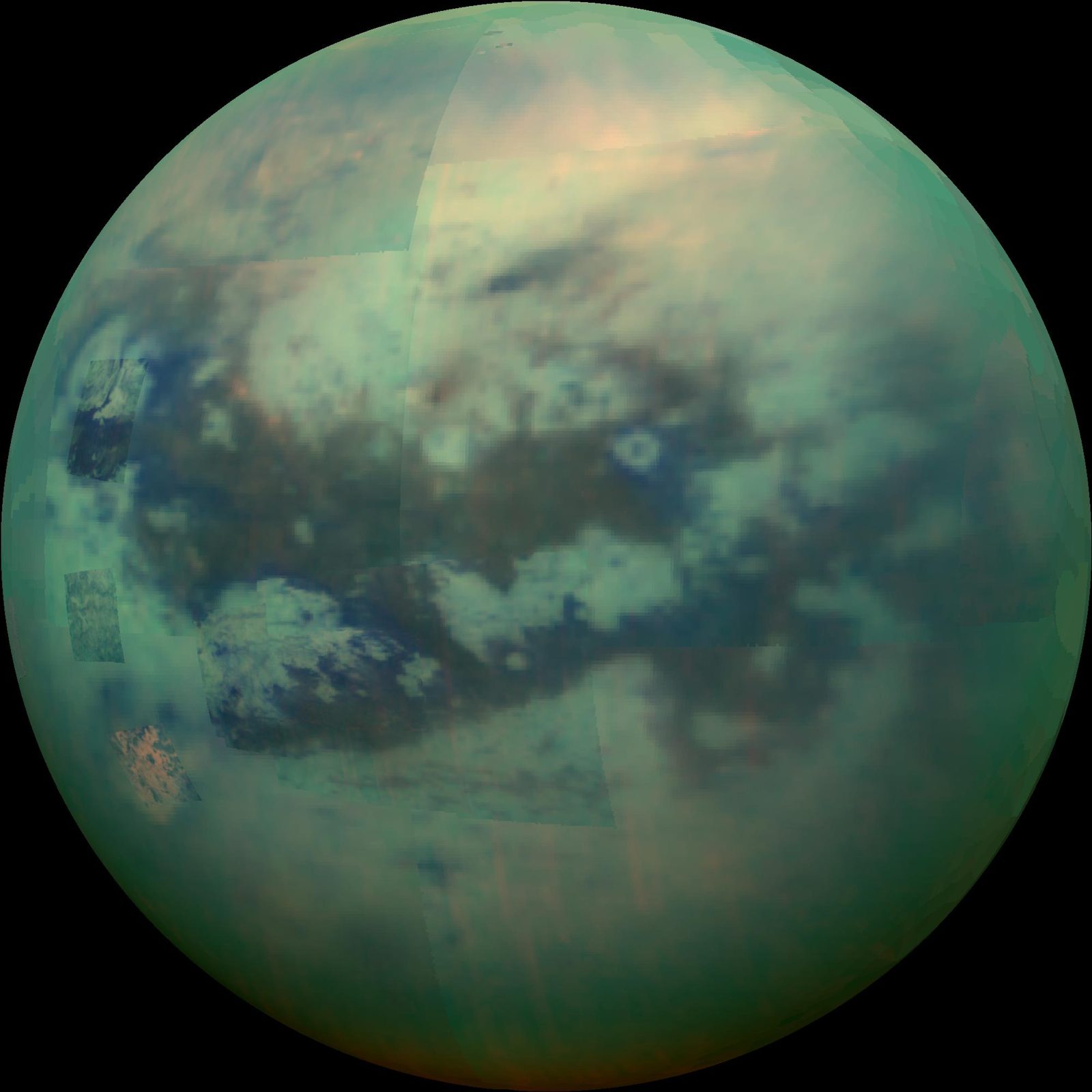
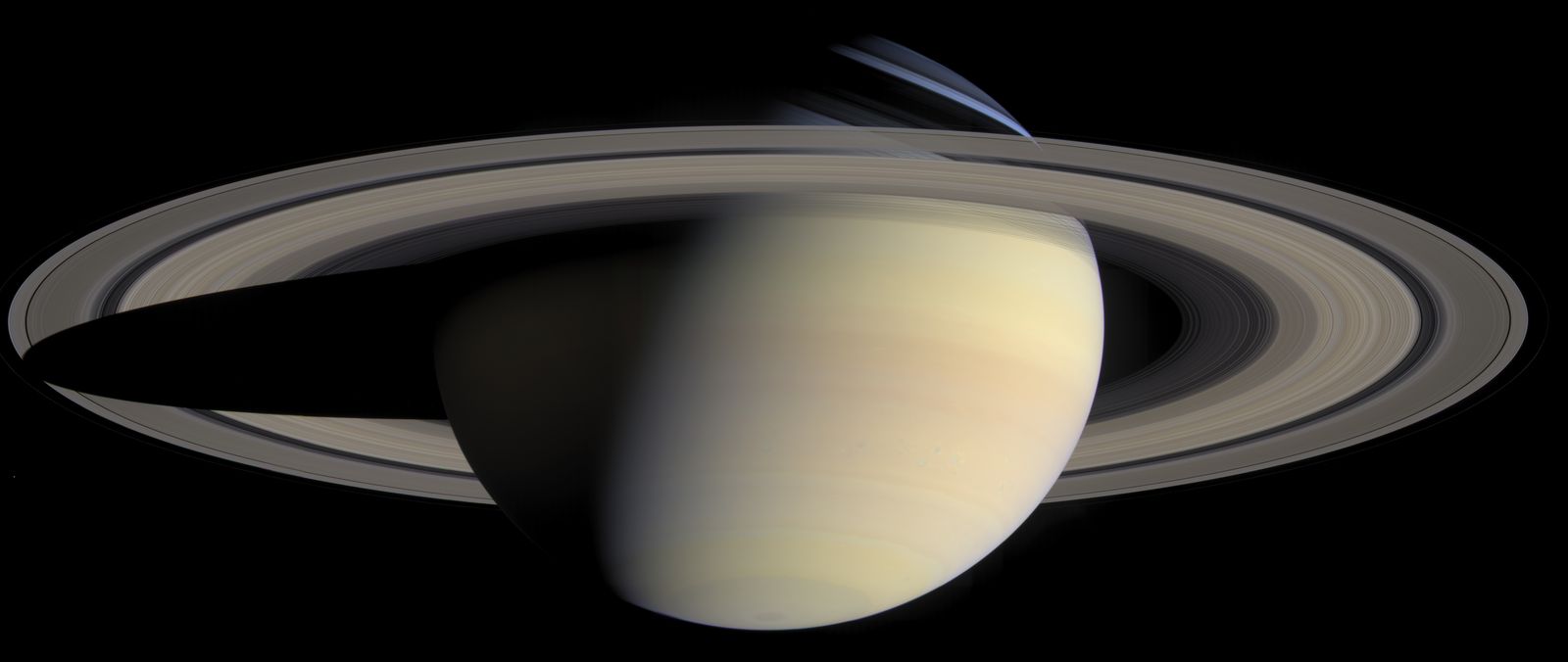
Saturn's hazy moon is a prebiotic time capsule. NASA's Dragonfly rotorcraft (launch period July 2028, arrival late 2034) will explore it, building the radar, long-life power and autonomy toolkit that also helps protect Earth.
What are Titan and Dragonfly's Five W's and impact statement?
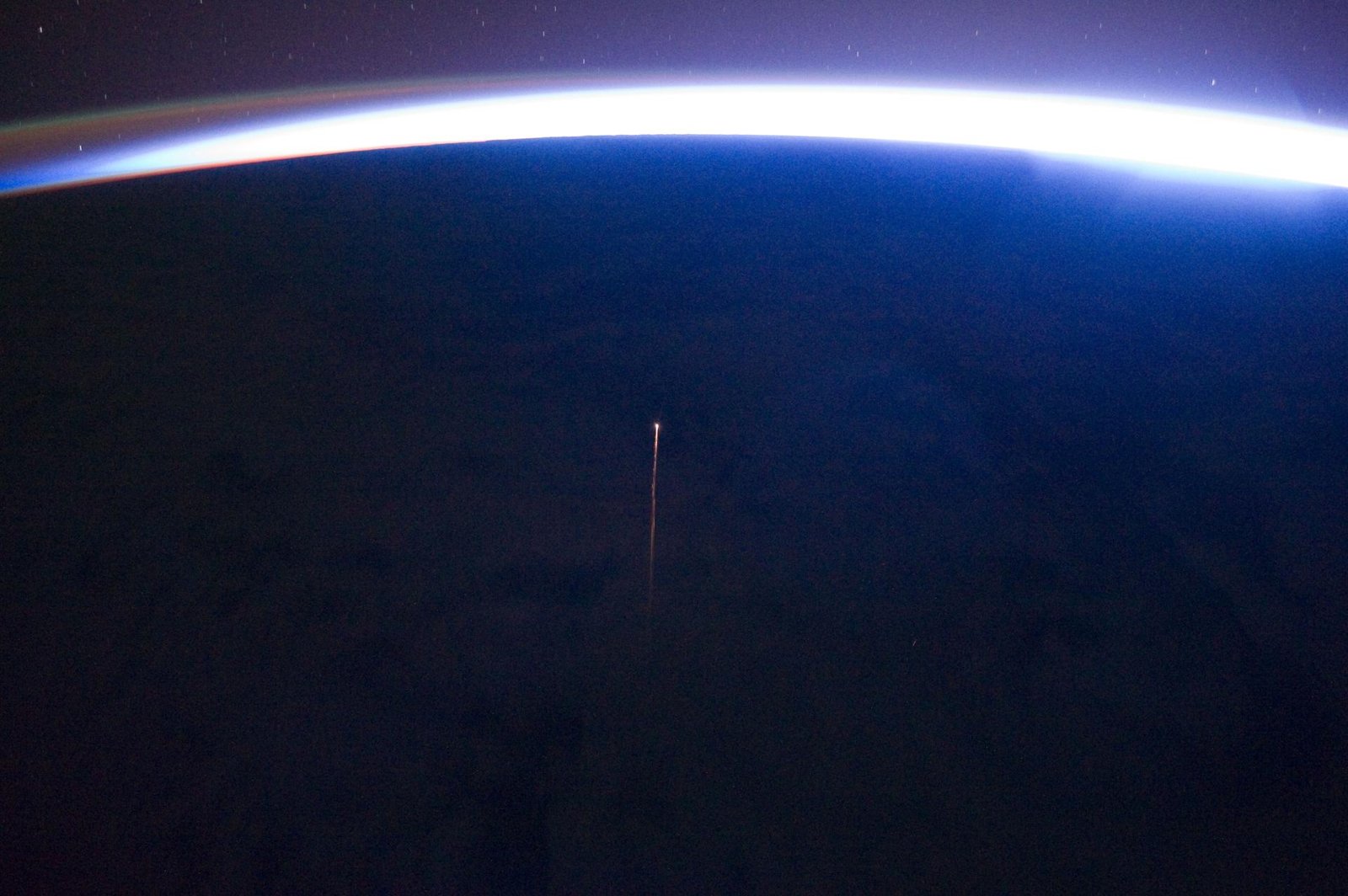
Earth's upper atmosphere pulls low-orbit junk down to burn up, harder when the Sun is active. Below 600 km it works within years; above 1,000 km, not for a millennium. Jupiter's partner in natural cleanup.
What are the Atmospheric Drag Five W's and impact statement?
Astroscale inspects, services and removes debris in orbit: ELSA-d, ADRAS-J's 2024 close-up of an H-IIA upper stage, and ADRAS-J2, targeted for fiscal 2027.
ClearSpace leads Europe's first active debris removal mission and provides in-orbit servicing.

LeoLabs runs a global network of ground radars tracking satellites and debris in low Earth orbit, turning the data into collision warnings (company figures).
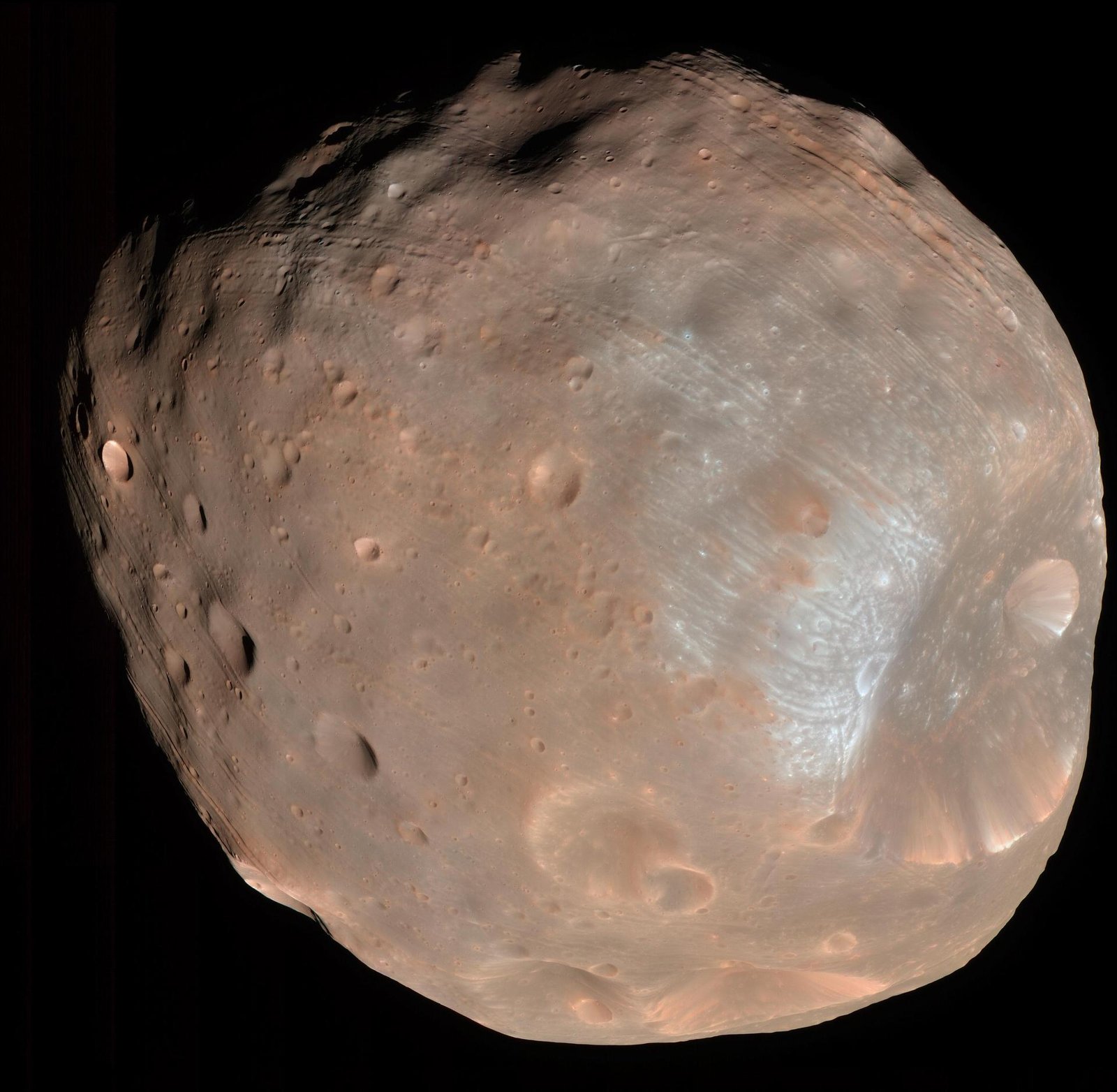
JAXA's MMX launches October 2026 to land on Mars's moon Phobos and return at least 10 grams of it to Earth in 2031, a first for the Mars system.
PRELUDE is a ClearSpace and ESA mission planned for June 2027 to validate close-proximity rendezvous technology. A potential solution on the horizon.
Want to go deeper? Visit JAXA.
 For further information