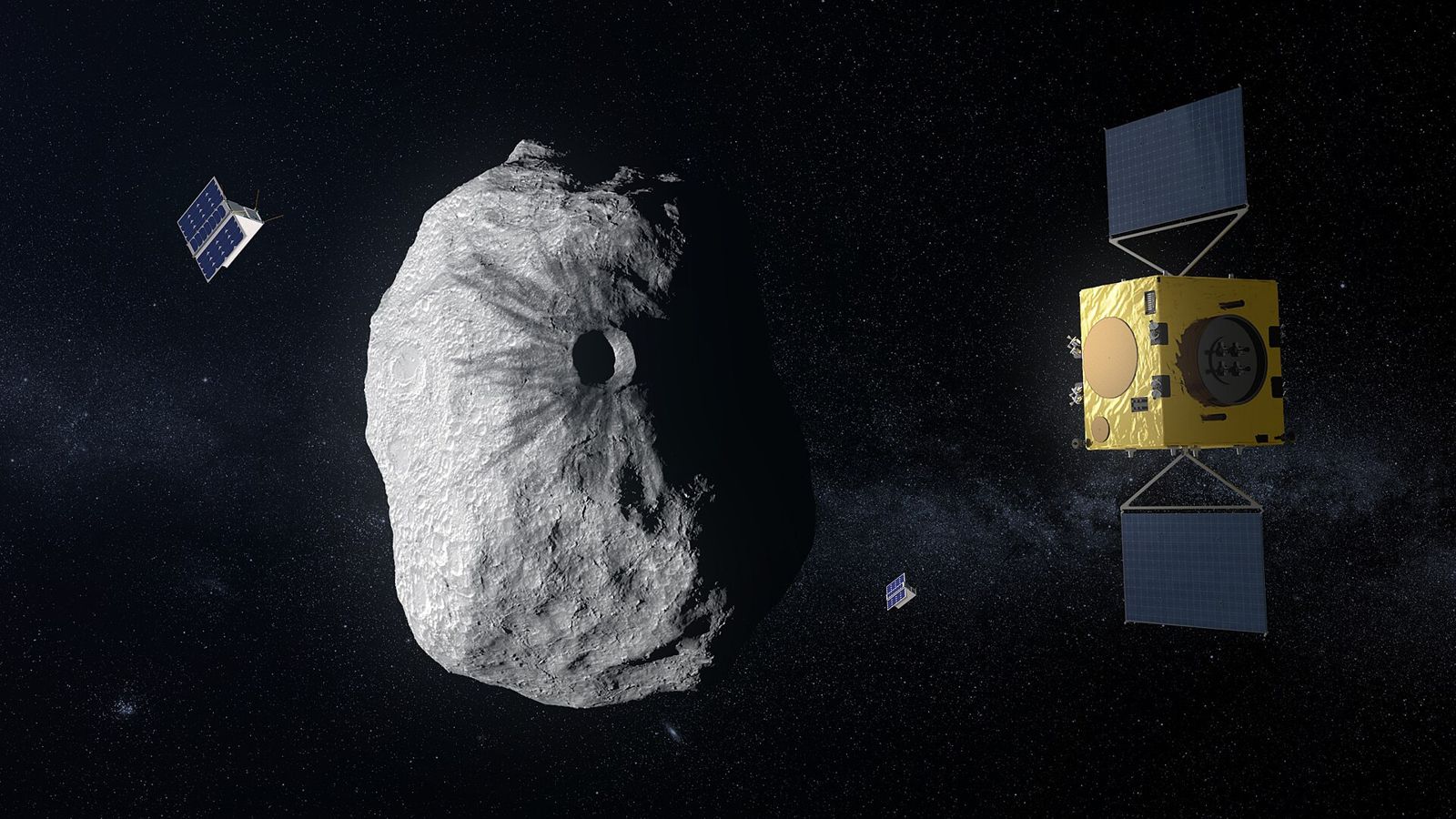
Hera
ESA's Hera arrives at the asteroid Dimorphos in November 2026 to measure what NASA's DART impact did, turning deflection into a repeatable defense.
Planetary defense has two halves. First, find and track asteroids and comets early. Then, if one is ever on course for Earth, have a tested way to push it aside. Humanity has now done both: NASA's DART spacecraft hit the asteroid moonlet Dimorphos on September 26, 2022 and shortened its 11-hour-55-minute orbit by 33 minutes and 15 seconds.
Source: NASA, Asteroid's orbit, shape changed after DART impact
This hub collects the missions that make that defense real, plus the natural one that has been doing it for billions of years.
NASA and ESA, plus the James Webb Space Telescope team, and Jupiter (natural).
Finding and tracking asteroids early, and testing ways to push one aside. DART changed Dimorphos's orbit by 33 minutes and 15 seconds.
Source: NASA, Asteroid's orbit, shape changed after DART impact
DART impact September 26, 2022; Hera is following up, and NEO Surveyor is in development.
Source: NASA, Asteroid's orbit, shape changed after DART impact
Near-Earth space, the Didymos system and beyond.
NEO Surveyor aims to find two-thirds of unknown near-Earth objects larger than 140 m within five years.
ESA's Hera arrives at the asteroid Dimorphos in November 2026 to measure what NASA's DART impact did, turning deflection into a repeatable defense.
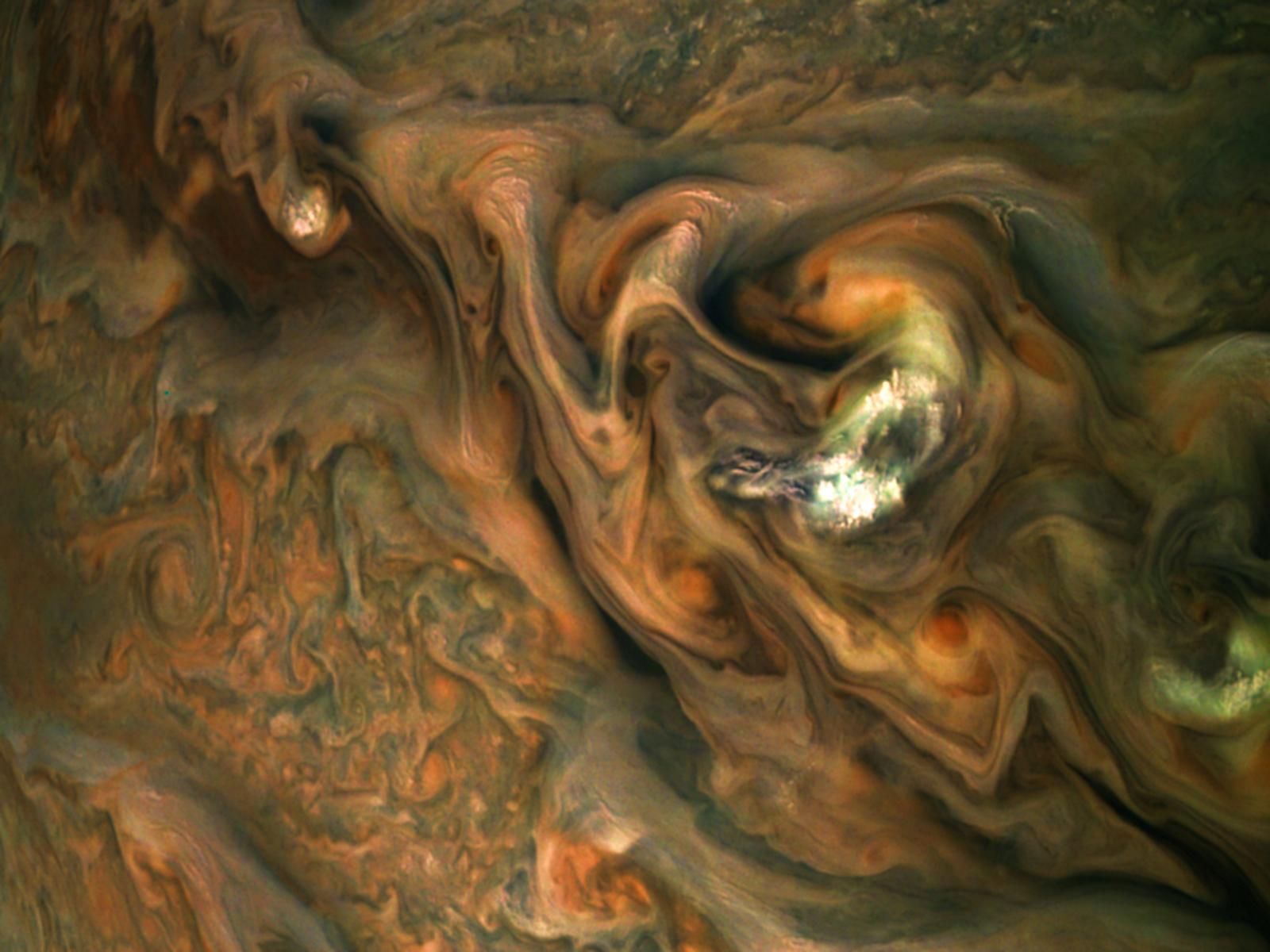
Jupiter is a natural space debris removal system that swallows or flings away far more dangerous objects than any human mission could.
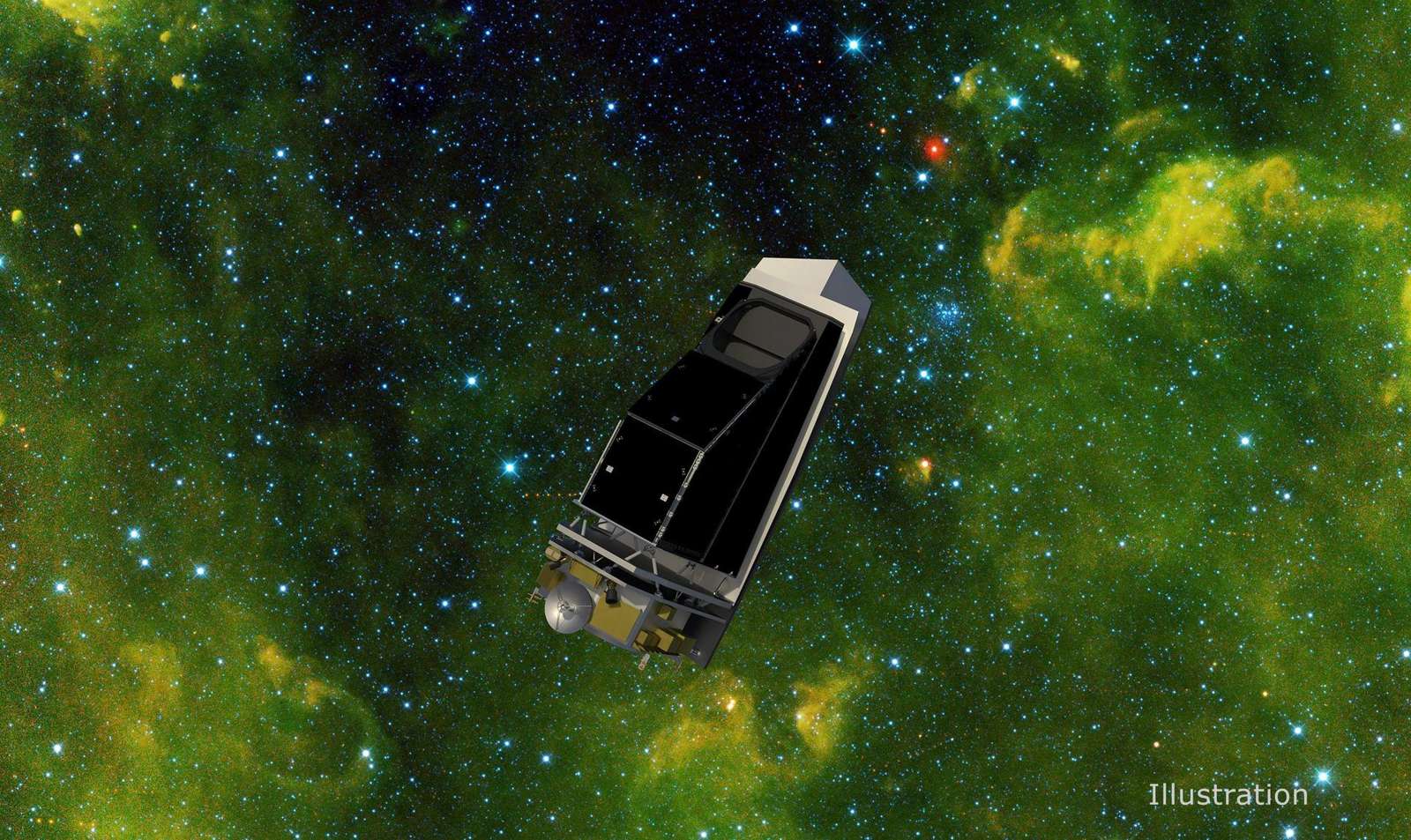
NASA NEO Surveyor is the first space telescope built to find hazardous asteroids, including dark ones hidden in the Sun's glare. Launch NET September 2027.
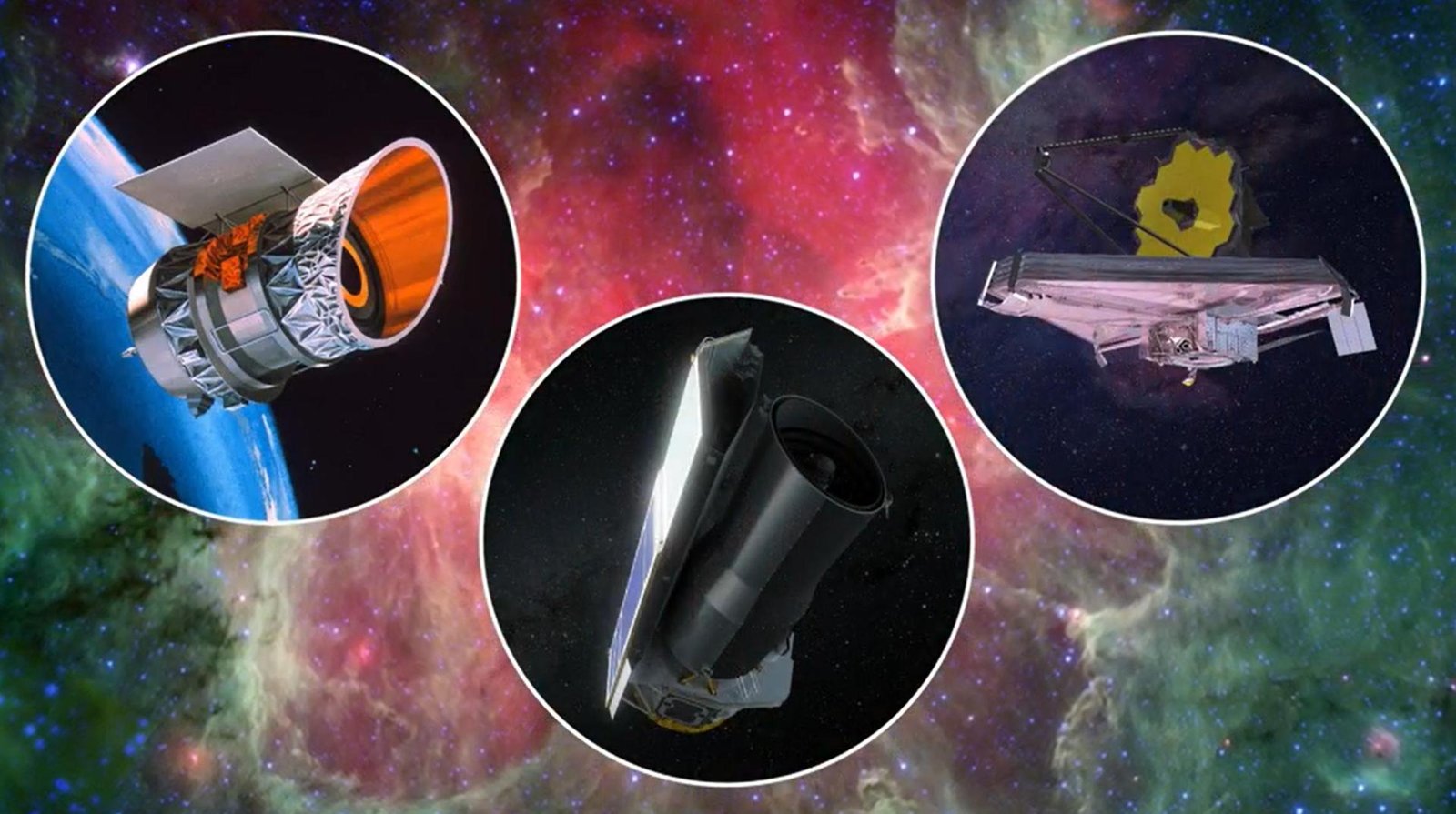
How the James Webb Space Telescope tracked asteroid 2024 YR4 in February 2026 and ruled out a 2032 Moon impact, two years before ground telescopes could.
NASA's Nancy Grace Roman Space Telescope launched on August 30, 2026. NASA describes it as a mission for dark energy, dark matter, exoplanets and galaxy surveys. It is not a near-Earth-object mission. The dedicated asteroid hunter is NEO Surveyor.
Source: NASA, Roman launch release
Source: NASA, NEO Surveyor
Want to go deeper? Visit NASA.
For further information