GeoXO Geostationary Extended Observations (NOAA / NASA)
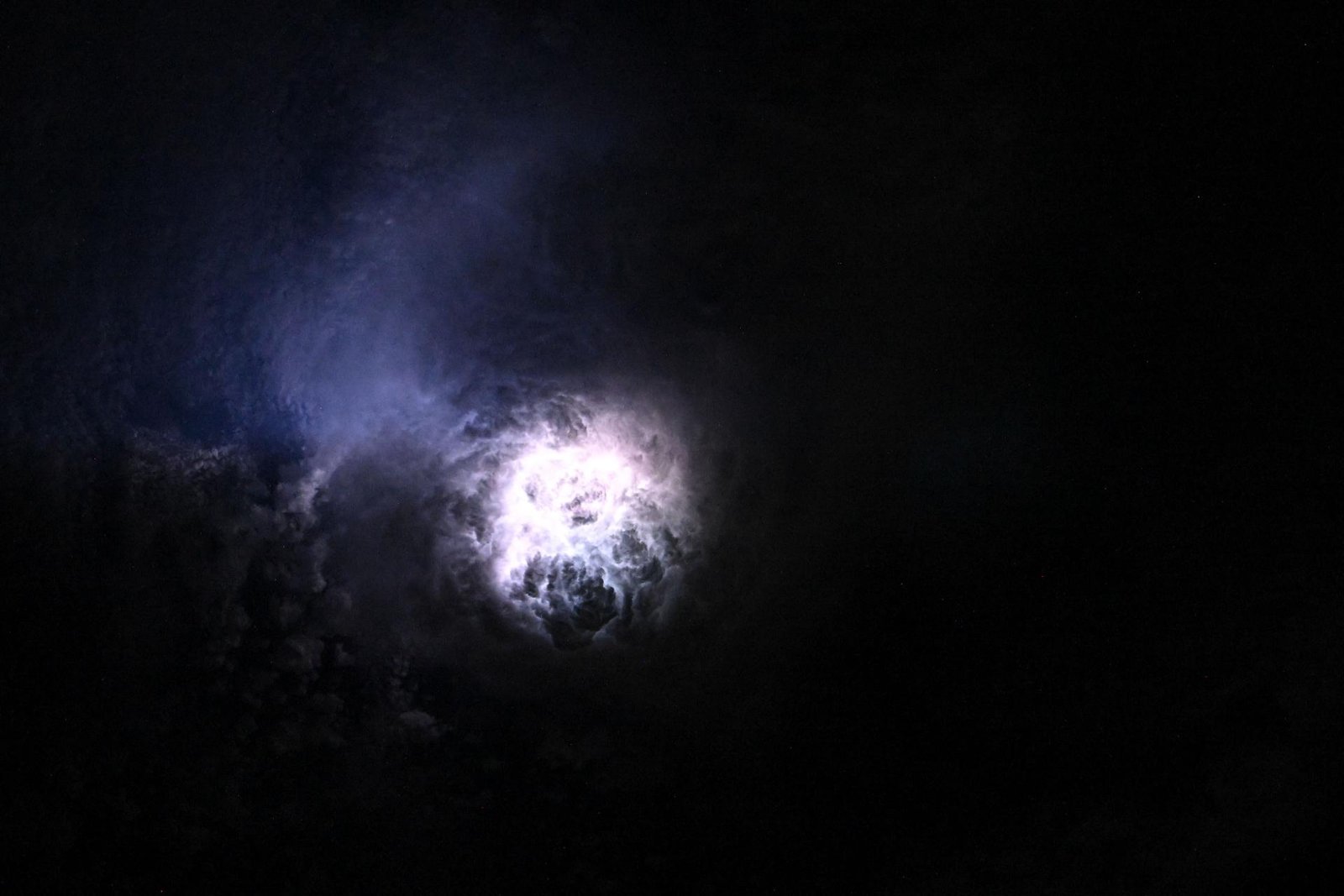
NOAA's next generation of geostationary weather satellites, planned from 2032, will improve warnings of severe weather and hazards (NOAA).
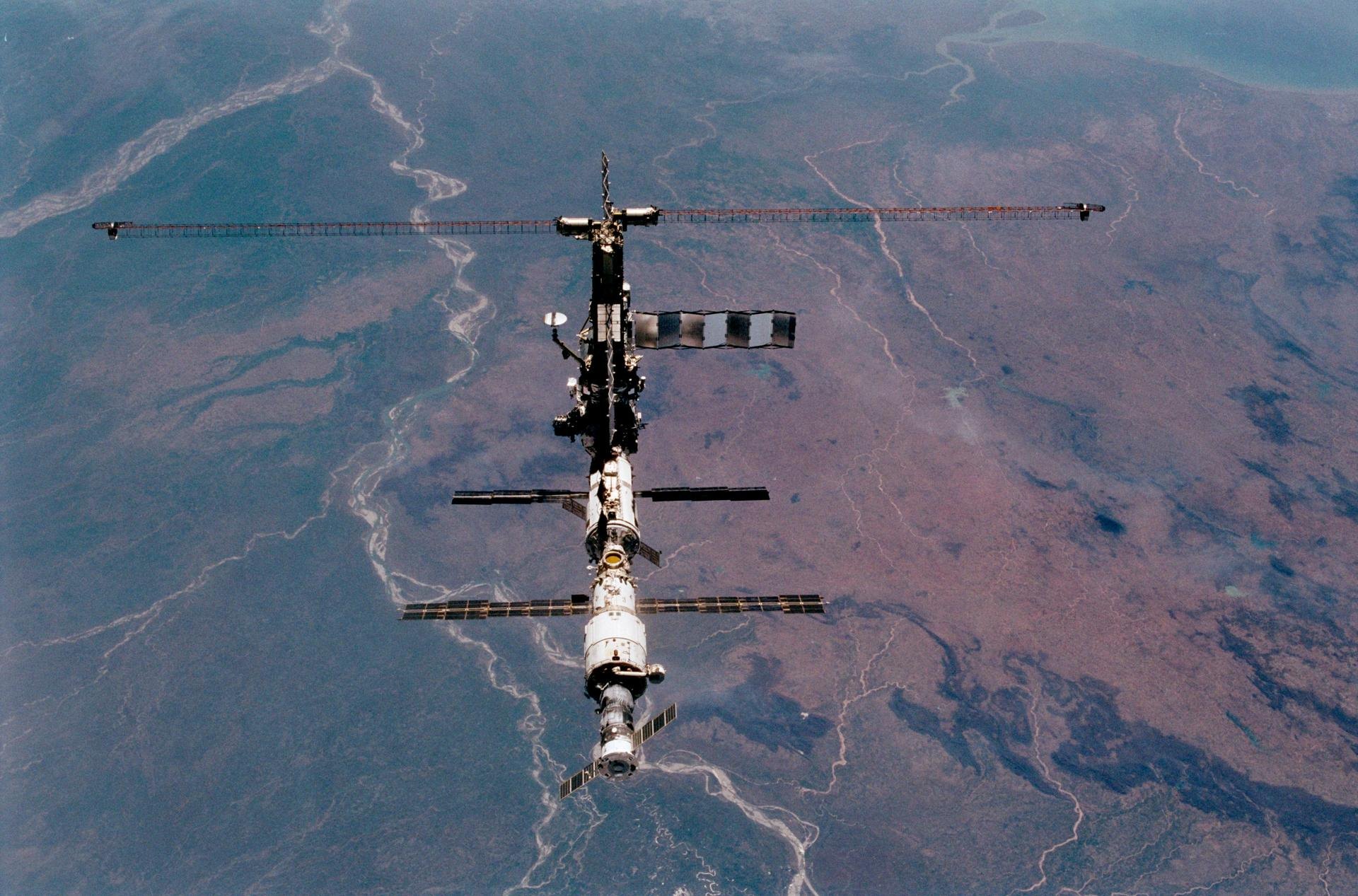
Image: NASA (iss073e0080625, May 15, 2025).
Last reviewed: 4 sources cited
Explain Like I'm 10
- GeoXO will be new weather satellites that stay over the same spot above Earth.
- They will watch storms, wildfires, smoke and floods as they happen.
- This helps forecasters warn people sooner.
The Five W's of GeoXO
Who
NOAA and NASA. NASA manages development and launches the satellites; NOAA operates them and delivers the data.
Source: NOAA NESDIS, GeoXO
What
Satellites carrying visible and A kind of light our eyes can't see that we feel as heat. Special cameras use it to see warm objects and gases. Glossary imagers and a new hyperspectral infrared sounder for better forecasts.
Source: NOAA NESDIS, GeoXO
When
The first launch is planned for 2032; further launches are planned for 2034, 2039 and 2043.
Source: NOAA NESDIS, GeoXO timeline
Where
In A high orbit, about 22,000 miles up, where a satellite moves with Earth's spin and stays over the same spot. Glossary, watching over the Western Hemisphere. It will replace the current GOES-R Series.
Source: NOAA NESDIS, GeoXO
Why
In March 2026 the Commerce Department's Inspector General found GeoXO had made adequate progress, and noted a possible gap in data if older GOES satellites end before GeoXO is operating.
Connected Solutions
- GOES-19 Today's GOES-R Series satellite that GeoXO will follow.
Impact Statement
Agency solution · in development
GeoXO will detect and monitor wildfires, smoke, dust, volcanic ash, drought and flooding, improving lead times for public alerts (NOAA).
Source: NOAA NESDIS, GeoXO
For Further Information: NOAA NESDIS, GeoXO
The Inspector General made six recommendations to reduce the risk of a gap in geostationary weather data and improve risk management (OIG).
How This Saves People & the Planet
For People
Better short-term forecasts and severe storm warnings protect people across the Western Hemisphere (NOAA).
Source: NOAA NESDIS, GeoXO
For Nature
GeoXO will watch the weather, oceans and environment, including wildfires and drought (NOAA).
Source: NOAA NESDIS, GeoXO
Learn More About GeoXO
Want to go deeper? NOAA has the full GeoXO story.
 For Further Information
Related Solutions
More solutions like this one, matched by meaning.
Help This Work
Links go straight to the organization. Saving Planets doesn't receive any of the money.