Tonle Sap: The Lake That Reverses a River
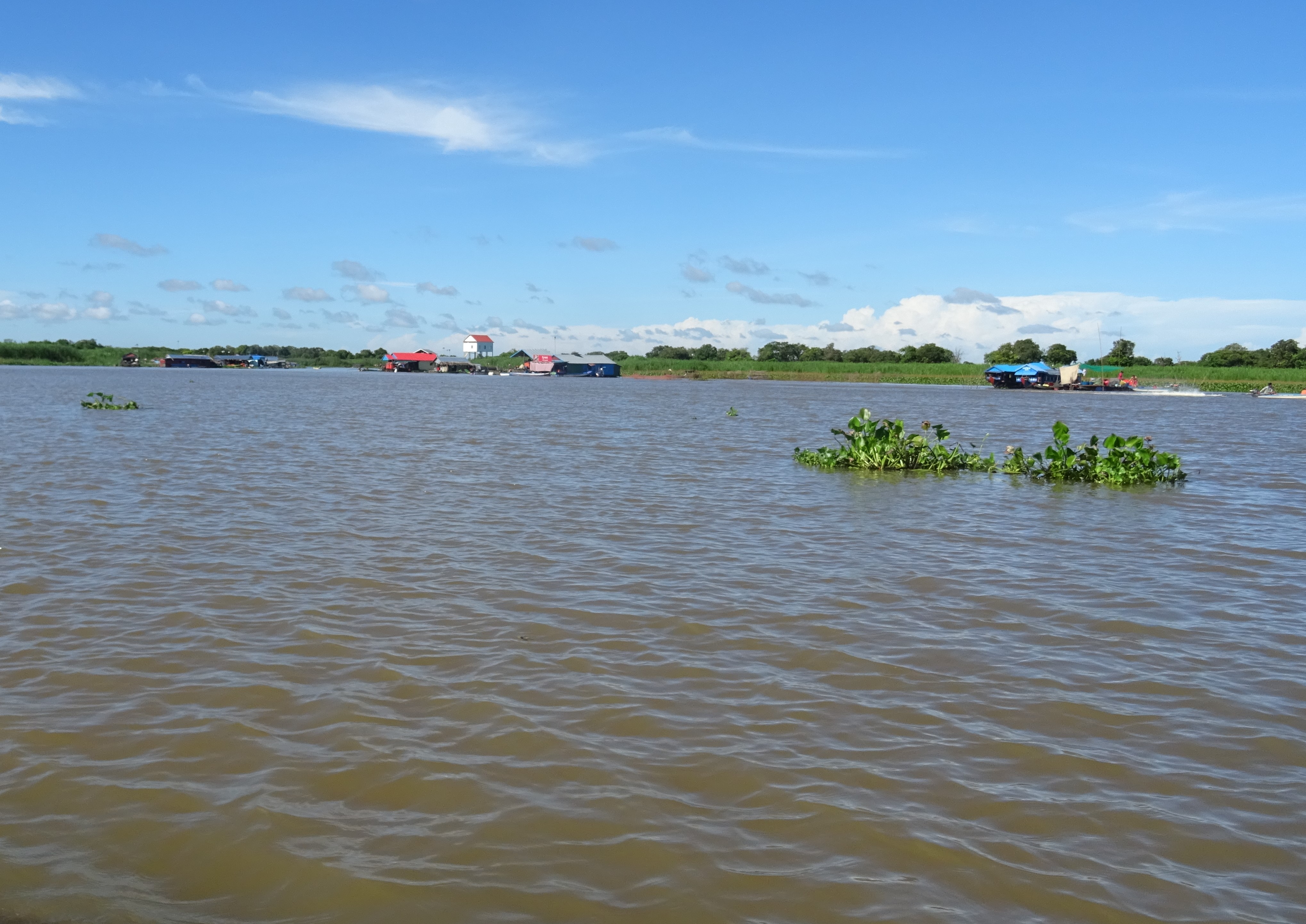
Tonle Sap, the largest freshwater lake in Southeast Asia, is a UNESCO biosphere reserve whose flooded forests shelter villages and fish (UNESCO).
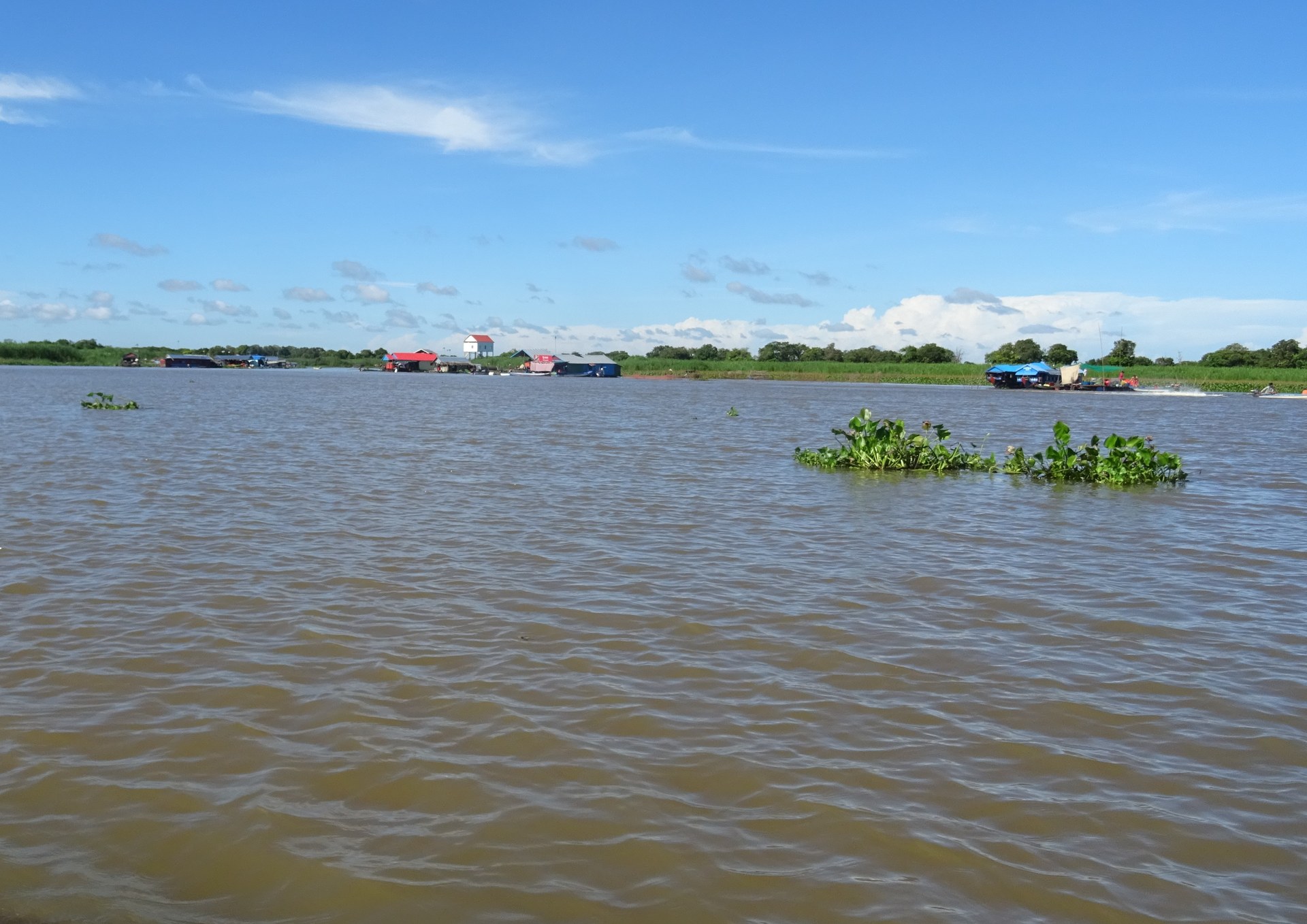
Image: Christophe95 via Wikimedia Commons (Floating village on the Tonlé Sap, CC BY-SA 4.0).
Last reviewed: 1 source cited
Every rainy season, the Mekong pushes water backwards into a lake that can grow up to five times larger.
During the rains the Mekong overflows and can expand Tonle Sap Lake by up to five times (UNESCO).
Explain Like I'm 10
- Tonle Sap is a giant lake in Cambodia joined to the Mekong River.
- In the rainy season the river gets so full that water flows backwards into the lake.
- The lake swells up, flooding forests where fish grow, and many families live in floating villages.
The Five W's of Tonle Sap
Who
A natural system, protected as a UNESCO biosphere reserve in Cambodia.
What
A seasonal flood pulse: the lake, its flooded forests and swamps, and rice fields around them.
When
Named a UNESCO biosphere reserve in 1997; the flooding returns every rainy season.
Where
Tonle Sap Lake, at the centre of the Tonle Sap Basin in Cambodia.
Why
The floods create habitats for many species and support the people who live around the lake.
Impact Statement
Natural solution · UNESCO biosphere reserve
The biosphere reserve covers about 1.48 million hectares and is home to about 1.38 million people (UNESCO).
Source: UNESCO Man and the Biosphere Programme, Tonle Sap
For Further Information: UNESCO Man and the Biosphere Programme, Tonle Sap
Flooded forests around the lake act as a natural barrier, protecting villages from inundation and soil erosion (UNESCO).
How This Saves People & the Planet
For People
Flooded forests protect villages against floods and erosion (UNESCO).
Source: UNESCO Man and the Biosphere Programme, Tonle Sap
For Nature
Fish are the reserve's most species-rich animal group, and about 225 bird species live there (UNESCO).
Learn More About Tonle Sap
Want to go deeper? UNESCO describes the biosphere reserve.
 For Further Information
Related Solutions
More solutions like this one, matched by meaning.
Help This Work
Links go straight to the organization. Saving Planets doesn't receive any of the money.