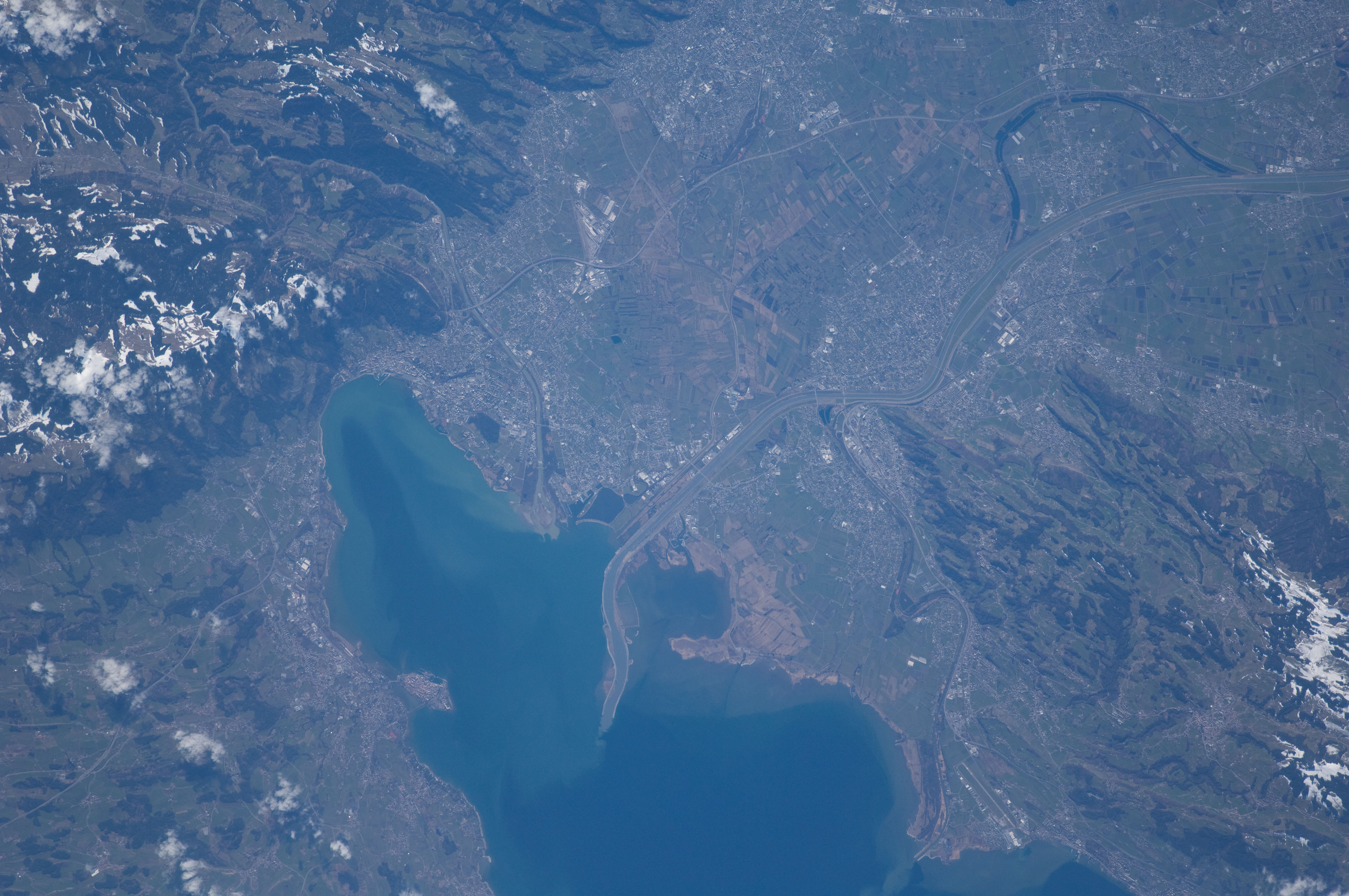
Lake Constance Phosphorus Recovery
Treatment plants that remove phosphorus brought Lake Constance back to the clear state typical of Alpine lakes (International Commission for the Protection of Lake Constance).
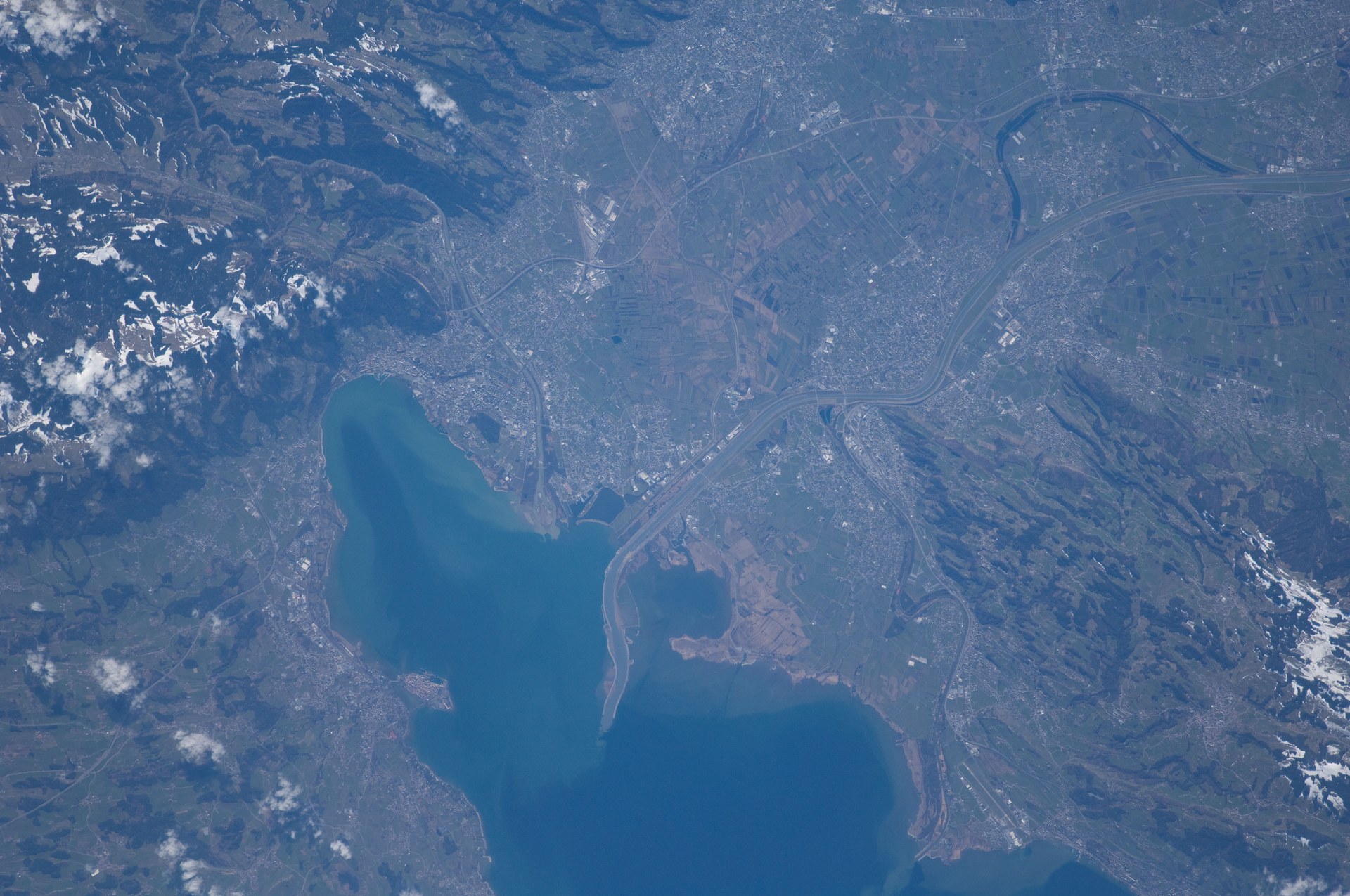
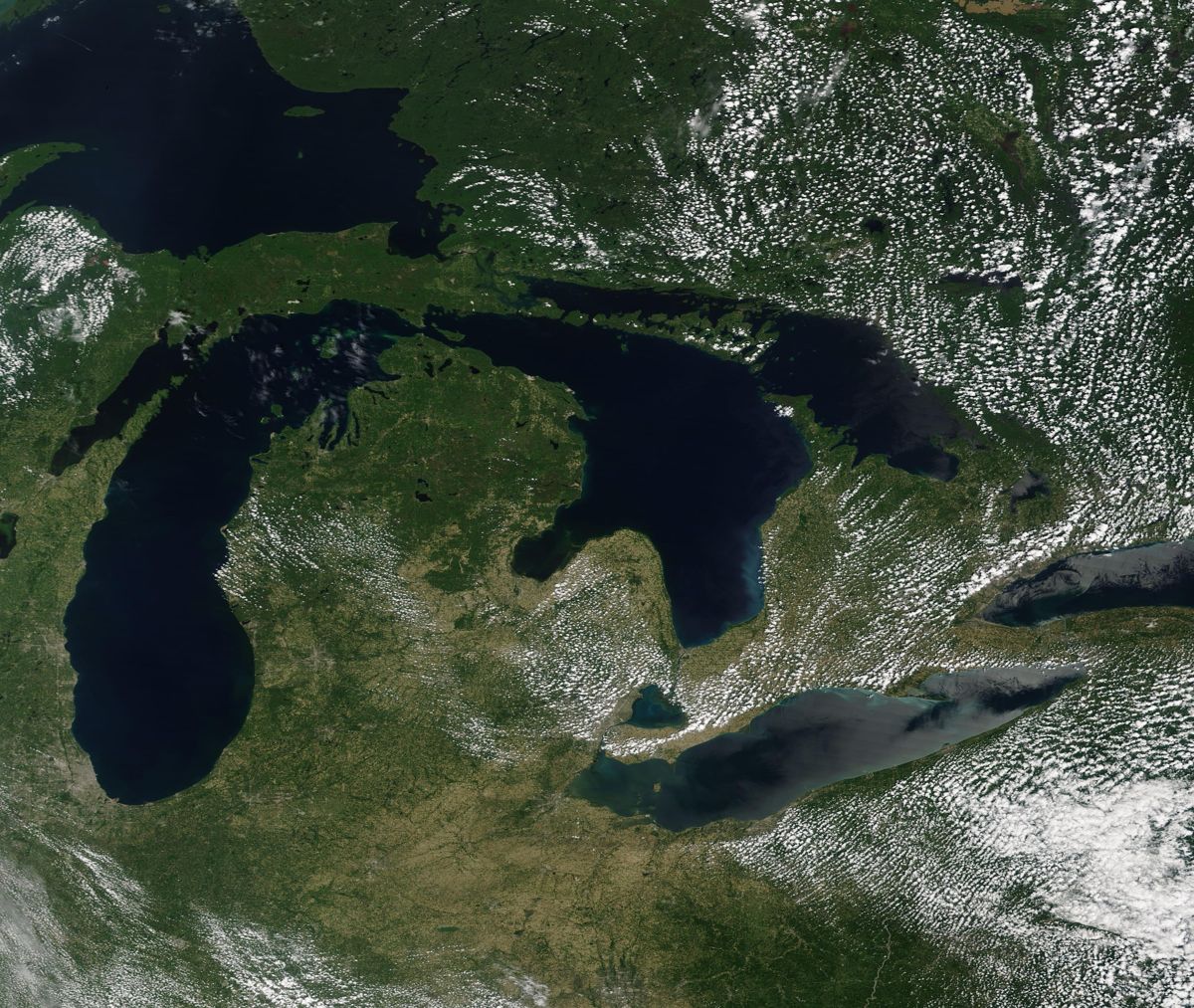
Image: NASA (ISS030-E-161620, astronaut photograph of Lake Constance, 2012).
Last reviewed: 2 sources cited
Three countries cleaned up a lake that gives drinking water to about five million people.
Phosphorus in Lake Constance fell from a peak of 84 µg/l in the late 1970s to 6-8 µg/l since 2006 (IGKB).
Explain Like I'm 10
- Lake Constance sits between Germany, Austria and Switzerland.
- Too much phosphorus from wastewater made algae grow, which is bad for the lake.
- The countries built treatment plants that take out phosphorus, and the lake recovered.
The Five W's of Lake Constance
Who
The International Commission for the Protection of Lake Constance (IGKB), with Germany, Austria, Switzerland and Liechtenstein.
What
Wastewater treatment plants with phosphorus removal around the lake.
When
Phosphorus peaked in the late 1970s; since 2006 it has stayed at 6-8 µg/l.
Where
Lake Constance (Bodensee), on the Rhine between Germany, Austria and Switzerland.
Why
Rising phosphorus was feeding algae and changing the lake.
Connected Solutions
- Lake Biwa and the Soap Movement Japan's largest lake, saved by cutting phosphorus.
Impact Statement
Government solution · active
With less phosphorus, the lake's Tiny plant-like living things that drift in water and use sunlight to make food. They make much of the oxygen we breathe and feed ocean life. Glossary has shifted back toward the natural state for this type of lake (IGKB).
Source: IGKB, Phosphor im Bodensee (fact sheet)
For Further Information: IGKB, Phosphor im Bodensee (fact sheet)
Lake Constance supplies drinking water to around five million people (IGKB).
How This Saves People & the Planet
For People
About five million people get drinking water from the lake (IGKB).
Source: IGKB, Wasserentnahme aus dem Bodensee (fact sheet)
For Nature
The lake is back in the low-nutrient range typical of Alpine lakes (IGKB).
Learn More About Lake Constance
Want to go deeper? The IGKB publishes the lake's data.
 For Further Information
Related Solutions
More solutions like this one, matched by meaning.
Help This Work
Links go straight to the organization. Saving Planets doesn't receive any of the money.