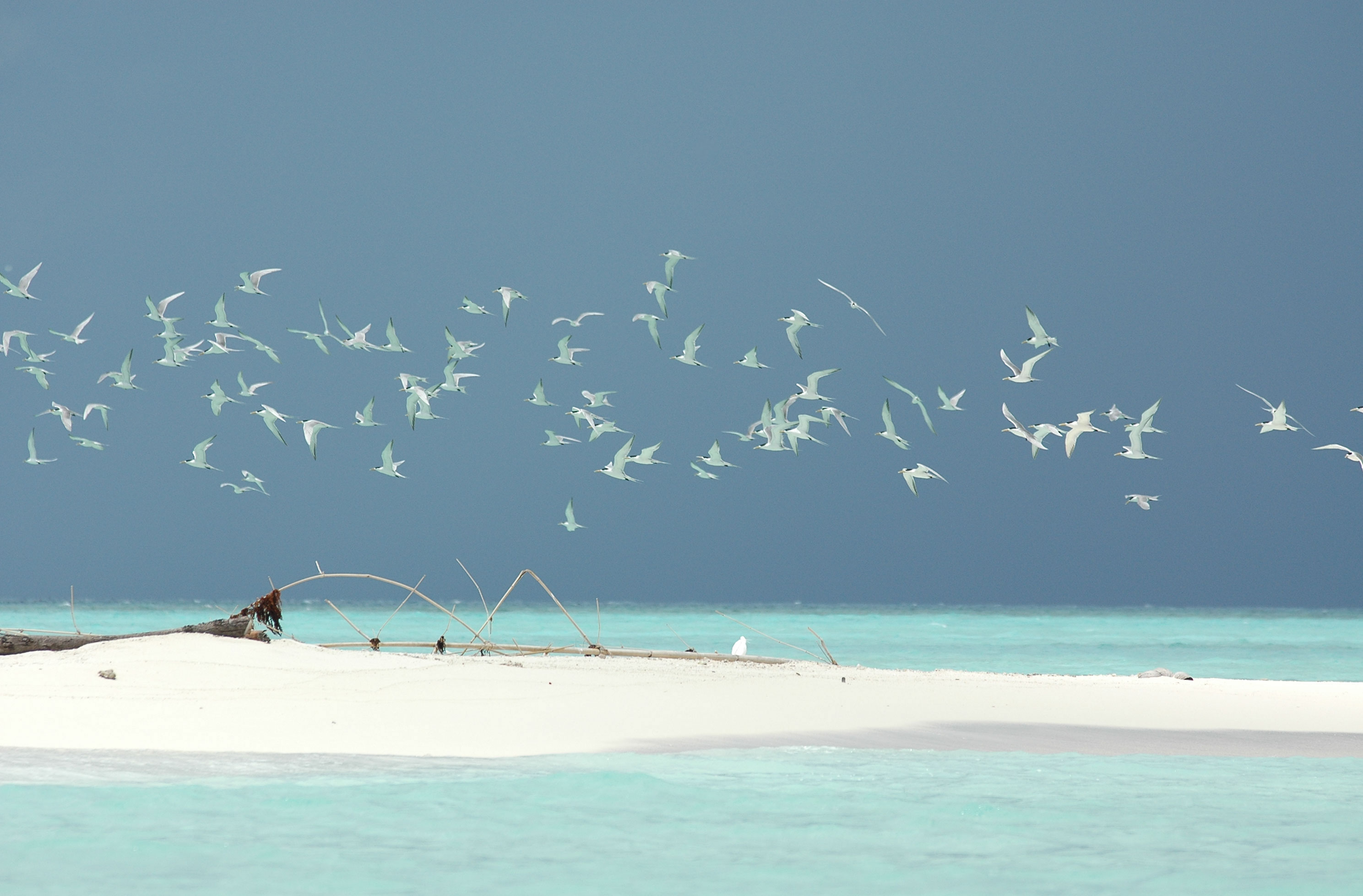
Tubbataha Reefs Natural Park
Tubbataha, a no-take marine park of 96,828 hectares in the Philippines, protects pristine coral atolls and the sea life that seeds the Sulu Sea (UNESCO).
Image: Ron Van Oers / UNESCO via Wikimedia Commons (CC BY-SA 3.0 IGO).
Last reviewed: 2 sources cited
A no-fishing reef in the middle of the Sulu Sea holds far more fish than a typical healthy reef.
In 2023, Tubbataha's average fish The total amount of living material, like the wood and leaves in a forest. Measuring it shows how much carbon plants store. Glossary was 76-100 tonnes per km², against 21-40 for healthy reefs elsewhere in the Philippines (IUCN).
Source: IUCN World Heritage Outlook, Tubbataha Reefs Natural Park
Explain Like I'm 10
- Tubbataha is a group of coral reefs far out in the sea in the Philippines.
- Nobody is allowed to fish there, so the fish can grow big and have lots of babies.
- Baby fish drift out from the reef and help fill fishing grounds around it.
The Five W's of Tubbataha
Who
The Philippine government, which protects the park; it is a UNESCO World Heritage Site.
Source: UNESCO World Heritage Centre, Tubbataha Reefs Natural Park
What
A no-take marine park that protects coral atolls, reef walls and deep sea.
Source: UNESCO World Heritage Centre, Tubbataha Reefs Natural Park
When
Inscribed as World Heritage in 1993; yearly reef monitoring since 1997 (IUCN).
Source: IUCN World Heritage Outlook, Tubbataha Reefs Natural Park
Where
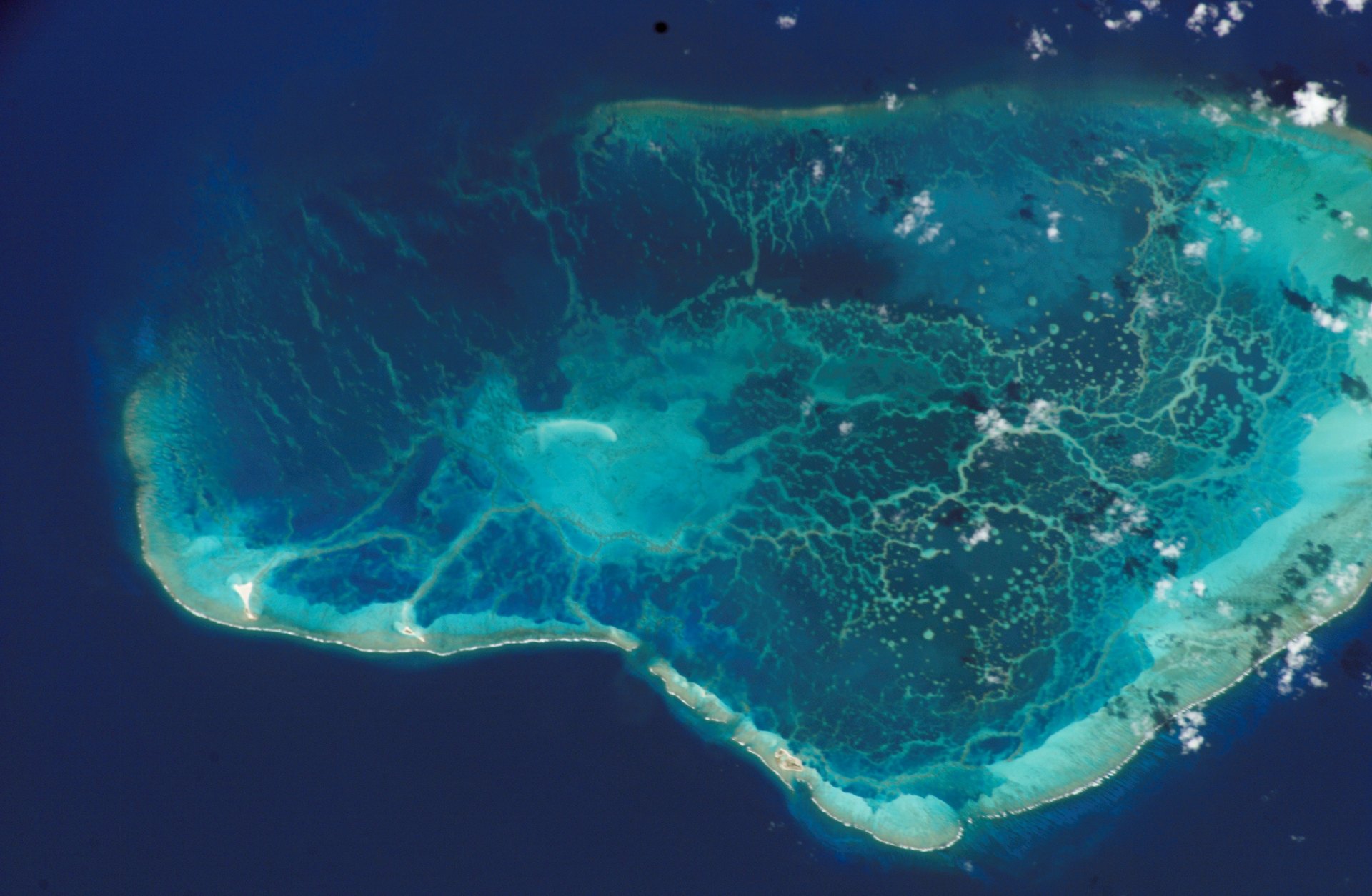
In the centre of the Sulu Sea, Philippines, covering North and South Atolls and Jessie Beazley Reef.
Source: UNESCO World Heritage Centre, Tubbataha Reefs Natural Park
Why
Low fishing pressure keeps the reef healthy and lets it help supply fisheries beyond its boundaries.
Source: UNESCO World Heritage Centre, Tubbataha Reefs Natural Park
Connected Solutions
- Palau National Marine Sanctuary A Pacific nation that made most of its sea a no-fishing zone.
Impact Statement
Government solution · active
The reefs support over 360 species of coral and almost 700 species of fish (UNESCO).
Source: UNESCO World Heritage Centre, Tubbataha Reefs Natural Park
For Further Information: UNESCO World Heritage Centre, Tubbataha Reefs Natural Park
Tubbataha has recorded some of the largest densities of grey and whitetip reef sharks in the world (IUCN).
How This Saves People & the Planet
For People
The park helps support fisheries outside its boundaries across the Sulu Sea (UNESCO).
Source: UNESCO World Heritage Centre, Tubbataha Reefs Natural Park
For Nature
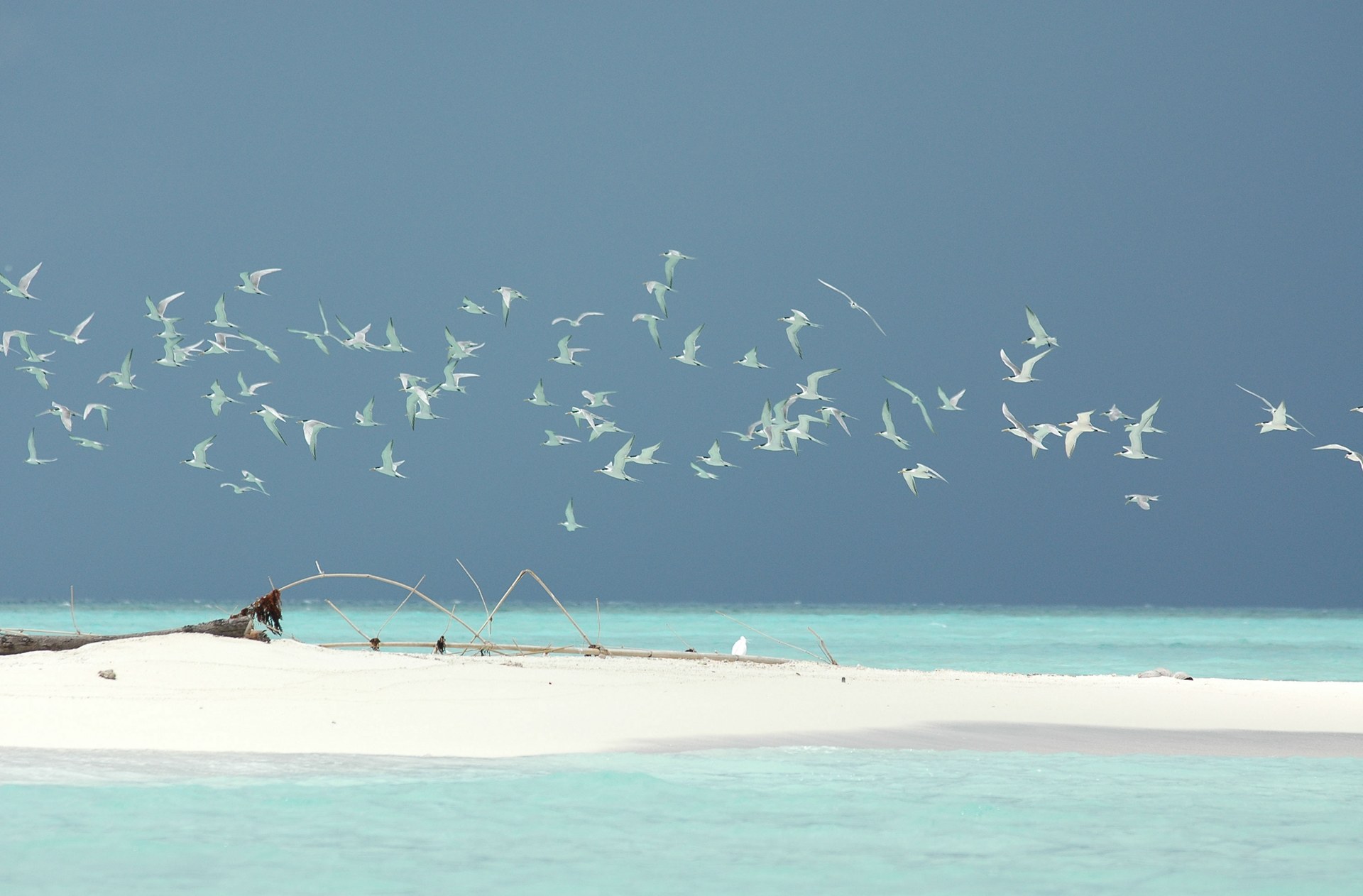
Whales, dolphins, sharks, turtles and nesting seabirds find a refuge there (UNESCO).
Source: UNESCO World Heritage Centre, Tubbataha Reefs Natural Park
Learn More About Tubbataha
Want to go deeper? UNESCO describes the park.
 For Further Information
Related Solutions
More solutions like this one, matched by meaning.
Help This Work
Links go straight to the organization. Saving Planets doesn't receive any of the money.