Palau National Marine Sanctuary
The Palau National Marine Sanctuary makes about 80% of Palau's exclusive economic zone a no-take area, with the other 20% kept as a Domestic Fishing Zone (Government of Palau law).
Image: NASA Earth Observatory/Jesse Allen, Landsat 8 data from USGS (Palau, March 21, 2014).
Last reviewed: 4 sources cited
A small island nation closed most of its ocean to fishing.
Since Jan. 1, 2020, about 500,000 km² of Palau's ocean, 80% of its exclusive economic zone, has been closed to all fishing and extraction (PICRC).
Source: Palau International Coral Reef Center, PNMS Act enters into full force (Jan. 1, 2020)
Explain Like I'm 10
- Palau is a country made of islands in the Pacific Ocean.
- It decided that most of its ocean should be a place where nobody fishes.
- That gives sea life room to grow back and spill over into the areas where local people fish.
The Five W's of the Palau sanctuary
Who
The Republic of Palau. The Palau International Coral Reef Center is the administrator of the sanctuary.
Source: Palau Pledge
What
A no-take marine sanctuary covering about 80% of Palau's exclusive economic zone, plus a 20% Domestic Fishing Zone.
Source: UNEP LEAP, Palau National Marine Sanctuary Act (RPPL No. 9-49 of 2015)
When
Signed into law on Oct. 28, 2015 (RPPL No. 9-49) and in full force since Jan. 1, 2020.
Source: Palau International Coral Reef Center, PNMS Act enters into full force (Jan. 1, 2020)
Where
The waters around Palau in the western Pacific Ocean.
Source: Palau International Coral Reef Center, PNMS Act enters into full force (Jan. 1, 2020)
Why
To protect most of Palau's ocean from all exploitation while local fishing continues in the other 20% (UNEP LEAP).
Source: UNEP LEAP, Palau National Marine Sanctuary Act (RPPL No. 9-49 of 2015)
Connected Solutions
- Mission Blue Hope Spots Special places in the ocean that people are working to protect.
Impact Statement
Government solution · active
PICRC says the sanctuary offers better protection to nearly 800 animal species, nine of them endangered (PICRC).
Source: Palau International Coral Reef Center, PNMS Act enters into full force (Jan. 1, 2020)
No rollback has been enacted. In July 2026 President Whipps proposed "rightsizing" the no-take area from 80% to about 30% and sent the plan to Palau's national congress; as of October 2026 it was still under review, with critics including a former president (Island Times; PINA).
How This Saves People & the Planet
For People
Palau was the first nation to change its immigration laws for the environment: visitors sign the Palau Pledge on arrival (Palau Pledge).
Source: Palau Pledge
For Nature
PICRC says the no-take zone aims to improve marine The variety of all living things in a place: plants, animals, fungi and tiny microbes. Glossary and nurture stronger pelagic fisheries for the people of Palau (PICRC).
Source: Palau International Coral Reef Center, PNMS Act enters into full force (Jan. 1, 2020)
Help Protect Palau
Visiting Palau? Learn the Palau Pledge first.
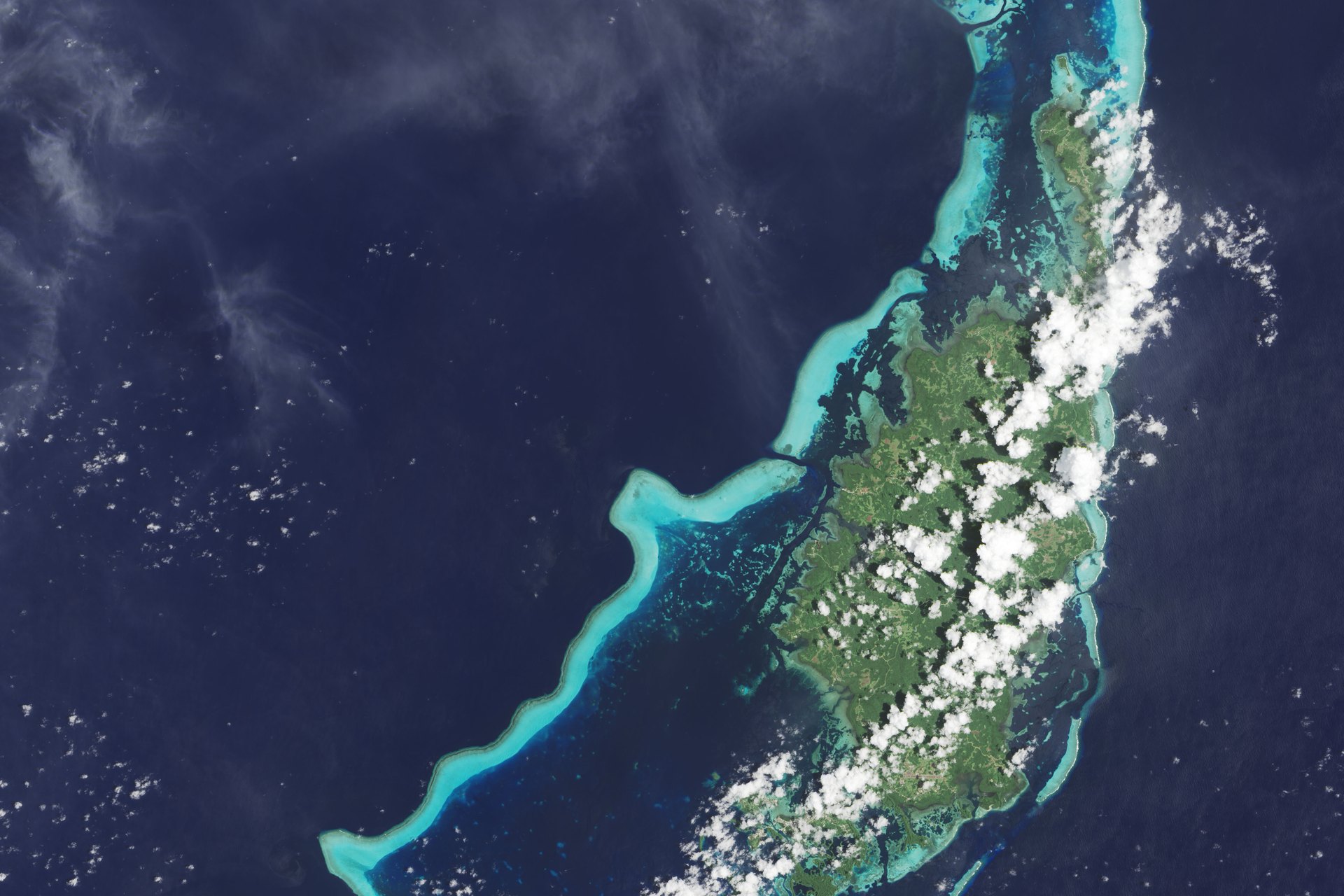 Palau Pledge
Related Solutions
More solutions like this one, matched by meaning.

Help This Work
Links go straight to the organization. Saving Planets doesn't receive any of the money.