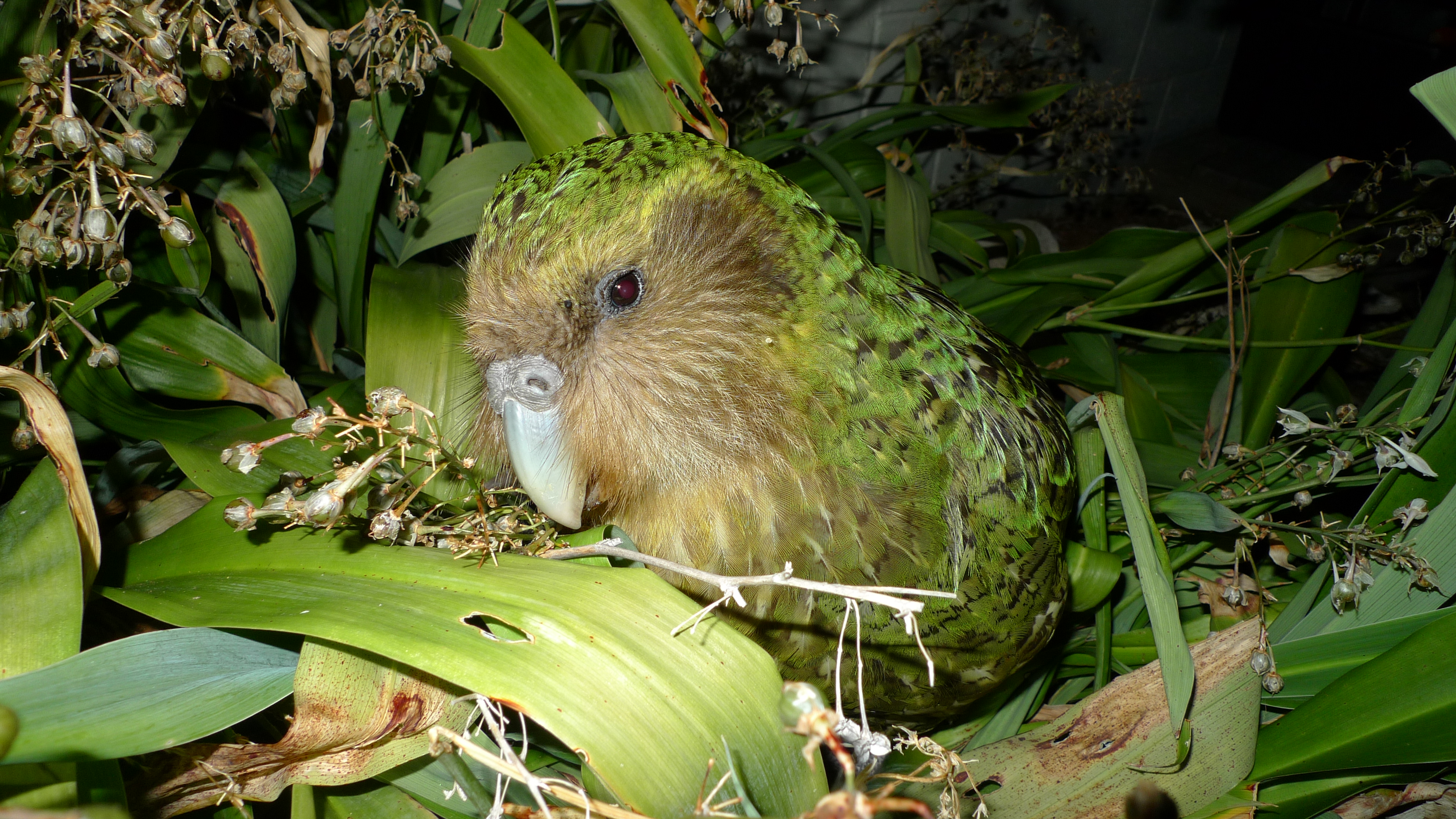
Kākāpō Recovery (New Zealand)
New Zealand's Department of Conservation and Ngāi Tahu have rebuilt the kākāpō from just 51 birds in 1995 (NZ DOC).
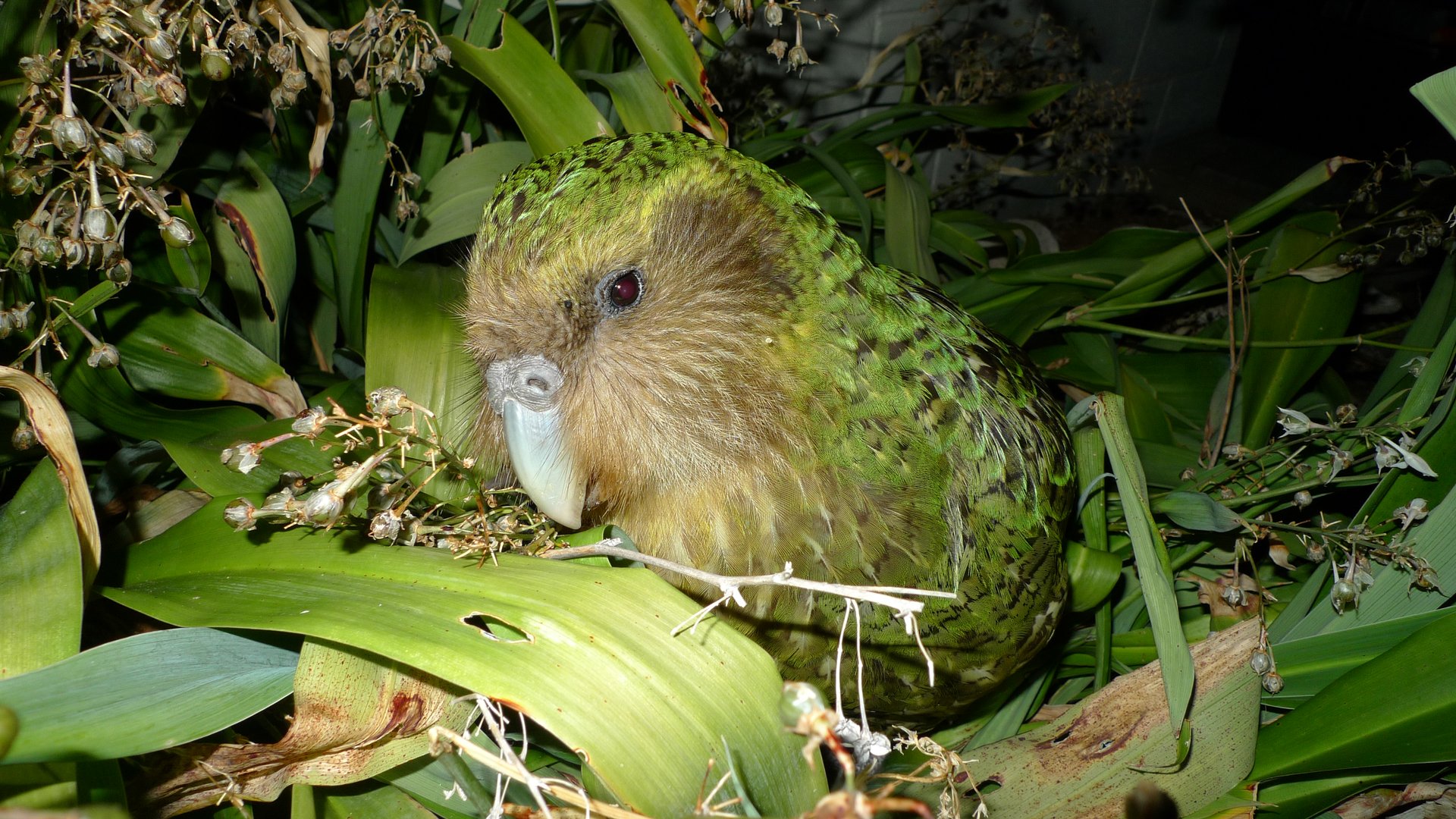
Image: NZ Department of Conservation via Wikimedia Commons (Kākāpō Sirocco, CC BY 2.0).
Last reviewed: 2 sources cited
The world's only flightless parrot went from 51 birds to 325.
The 2026 season added a record 90 chicks, taking kākāpō to 325, a recovery-era high (NZ DOC).
Source: NZ Department of Conservation, Kākāpō population reaches new milestone (1 Sept. 2026)
Explain Like I'm 10
- The kākāpō is a big, green parrot from New Zealand that cannot fly.
- By 1995, only 51 were left.
- Rangers watched over every nest and helped chicks grow up, and now there are 325.
The Five W's of Kākāpō Recovery
Who
NZ Department of Conservation (DOC) and Te Rūnanga o Ngāi Tahu, with partner Meridian Energy and volunteers.
Source: NZ Department of Conservation, Kākāpō population reaches new milestone (1 Sept. 2026)
What
Tracking every bird by radio, monitoring nests and supporting breeding on three island populations.
Source: NZ Department of Conservation, Kākāpō population reaches new milestone (1 Sept. 2026)
When
Since 1995; 13 breeding seasons so far, the next possibly in 2028.
Source: NZ Department of Conservation, Kākāpō population reaches new milestone (1 Sept. 2026)
Where
Whenua Hou/Codfish Island, Pukenui/Anchor Island and Te Kāhaku/Chalky Island.
Source: NZ Department of Conservation, Kākāpō population reaches new milestone (1 Sept. 2026)
Why
Only 51 birds, including just 20 females, were left in 1995.
Source: NZ Department of Conservation, Kākāpō population reaches new milestone (1 Sept. 2026)
Connected Solutions
- Predator Free 2050 New Zealand's plan to remove introduced predators.
Impact Statement
Government solution · active
Ninety chicks in one season, a record. In the early years it took 16 years to raise that many (NZ DOC).
Source: NZ Department of Conservation, Kākāpō population reaches new milestone (1 Sept. 2026)
Every kākāpō wears a small backpack radio transmitter so rangers can track it (NZ DOC).
How This Saves People & the Planet
For People
Iwi, rangers, volunteers and scientists share the work, a taonga (treasure) cared for together (NZ DOC).
Source: NZ Department of Conservation, Kākāpō population reaches new milestone (1 Sept. 2026)
For Nature
The goal is to return kākāpō to their ancestral home on a predator-free Rakiura (NZ DOC).
Source: NZ Department of Conservation, Kākāpō population reaches new milestone (1 Sept. 2026)
Support Kākāpō Recovery
Kākāpō Recovery welcomes support and volunteers.
 Donate
Related Solutions
More solutions like this one, matched by meaning.

Help This Work
Links go straight to the organization. Saving Planets doesn't receive any of the money.