Gulf of Alaska Keeper: Marine Debris Cleanup
Gulf of Alaska Keeper (GoAK) is a nonprofit that removes marine debris from the remote shores of Prince William Sound and the northern Gulf of Alaska (GoAK).
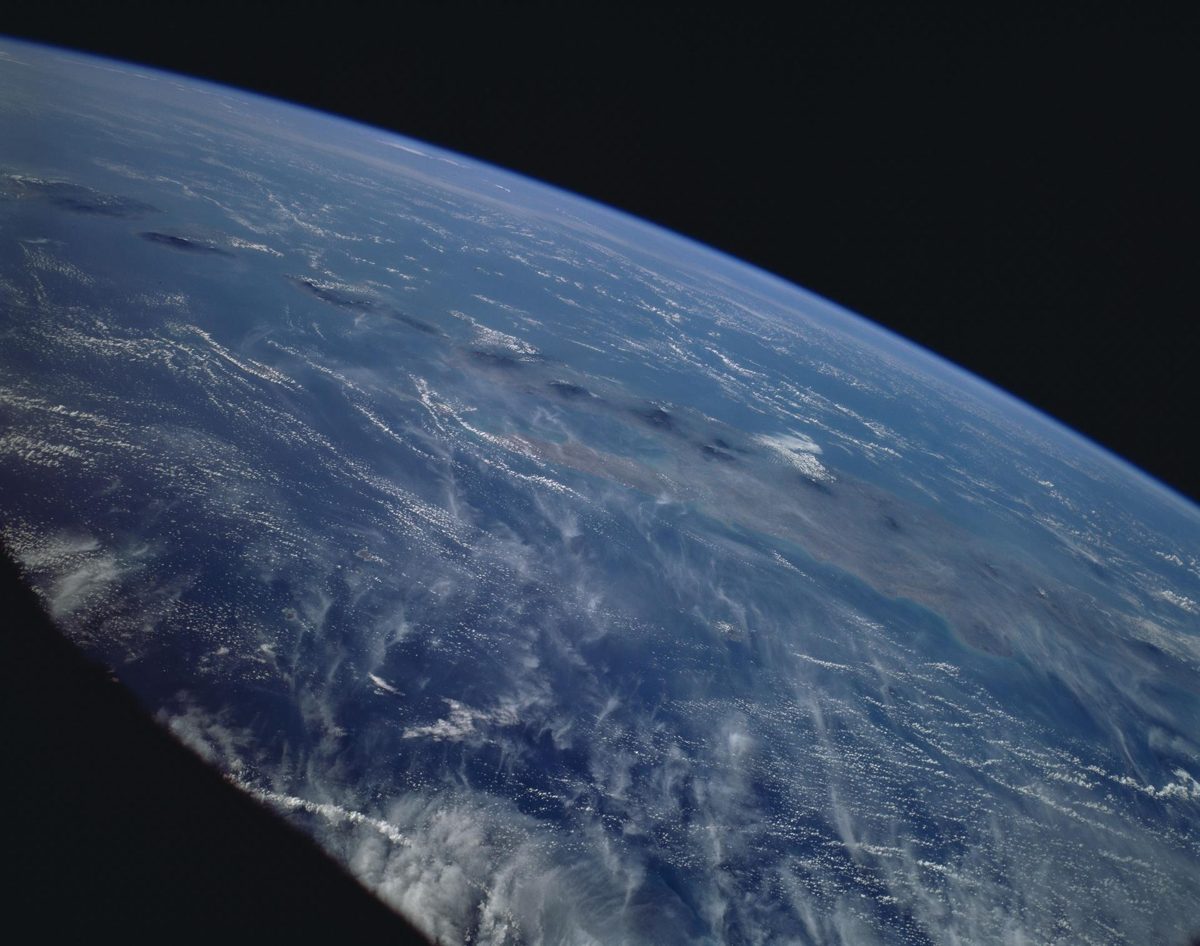
Image: NASA/Goddard/NPP (GSFC_20171208_Archive_e000038, Gulf of Alaska spring bloom, April 12, 2017).
Last reviewed: 5 sources cited
On some of North America's wildest beaches, crews fly the ocean's trash out by helicopter.
Since 2006, Gulf of Alaska Keeper has removed more than 5 million pounds of plastic from 1,500 miles of remote coastline (nonprofit figures).
Source: Gulf of Alaska Keeper
Explain Like I'm 10
- Ocean currents carry nets, ropes and plastic to faraway Alaska beaches where nobody lives.
- Gulf of Alaska Keeper crews and volunteers pick it up and pack it into giant bags.
- Helicopters lift the bags to a barge, and the trash goes to Anchorage to be recycled or thrown away safely.
The Five W's of Gulf of Alaska Keeper
Who
Gulf of Alaska Keeper, a nonprofit headquartered in Anchorage and Whittier, Alaska.
Source: Gulf of Alaska Keeper, About
What
Large-scale marine debris removal and coastal restoration: derelict fishing nets, ropes, buoys, hazmat containers and creosote-treated wood.
When
Since 2006. Its NOAA-supported Montague Island project runs from October 2024 to September 2026.
Where
Prince William Sound and the northern Gulf of Alaska, from Kayak Island west to the Barren Islands.
Source: Gulf of Alaska Keeper, About
Why
Debris on these shores is an ingestion and entanglement hazard for commercially and culturally important animals and habitat (NOAA).
Connected Solutions
- Ocean Voyages Institute Sails out to pull ghost nets and plastic from the open Pacific.
- Alaska SeaLife Center Rescues stranded seals and sea otters on Alaska's coast.
Impact Statement
Nonprofit solution · active
In 2025, GoAK gathered and consolidated more than 500 tons of marine debris on Montague Island, where more than 60 volunteers gave more than 5,000 hours (GoAK, reported by KTUU).
On Montague Island, the Prince William Sound Stewardship Foundation and the Center for Alaskan Coastal Studies recruit and manage all the volunteers and lead community outreach (NOAA).
How This Saves People & the Planet
For People
Many Alaskans depend on this coast for food, and volunteers from across the region join the cleanups (KTUU).
For Nature
Debris is recycled where possible, and plastics that cannot be recycled are processed into construction materials (NOAA).
Support Gulf of Alaska Keeper
Support Gulf of Alaska Keeper directly.
 Donate
Related Solutions
More solutions like this one, matched by meaning.
Help This Work
Links go straight to the organization. Saving Planets doesn't receive any of the money.