The SeaCleaners
Mobula cleanup boats catch plastic close to where it starts, and in Malaysia one boat turned 135,000 pieces of debris into community walkways (The SeaCleaners).
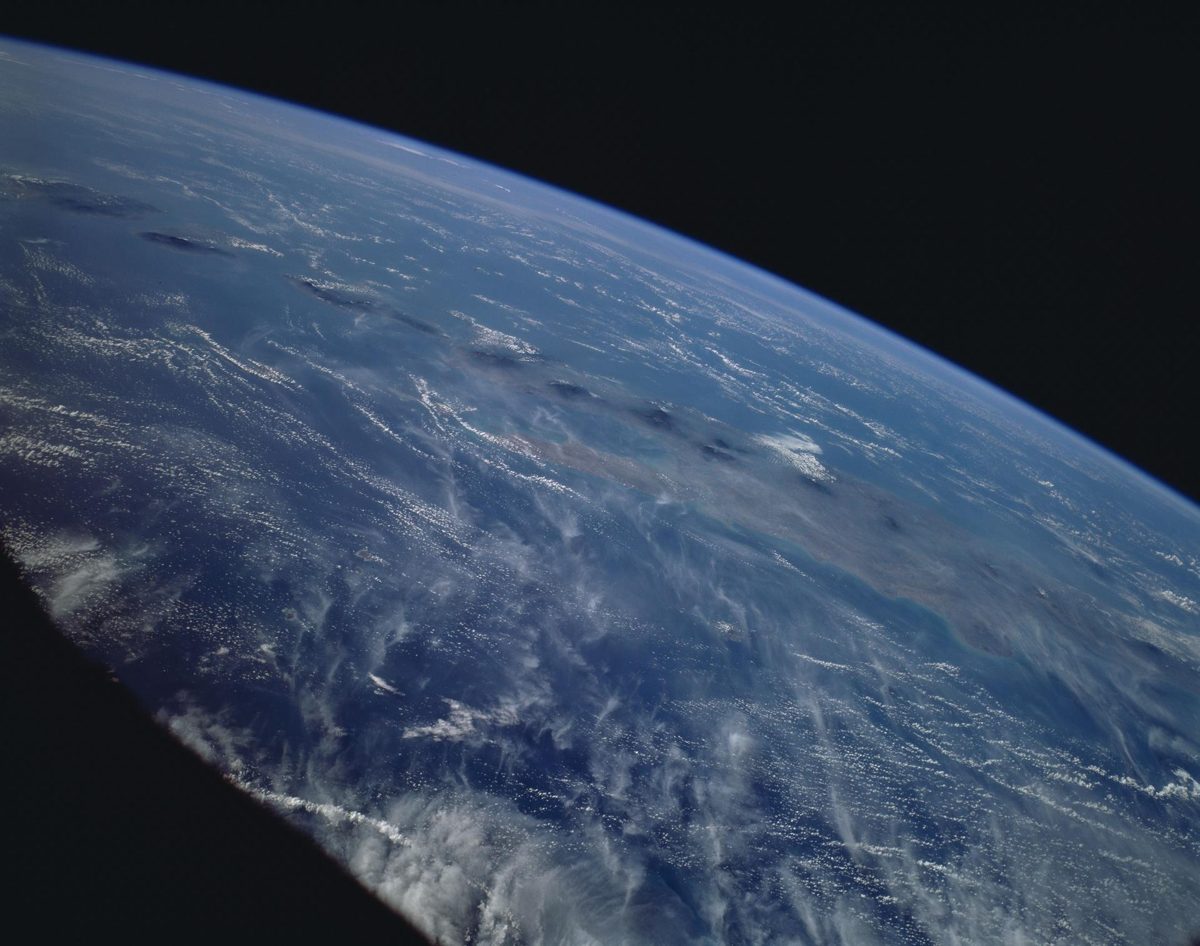
Image: NASA (STS-66).
Last reviewed: 2 sources cited
Explain Like I'm 10
- The SeaCleaners use special boats called Mobulas to scoop plastic out of the water.
- They work with local people so the cleanup keeps going after they leave.
- Some of the plastic is recycled into useful things, like walkways.
The Five W's of The SeaCleaners
What
Three-year expeditions that use Mobula boats and floating barriers to clean up waste, support local recycling and engage communities.
Source: The SeaCleaners
When
In 2025 the Mobula 8.2 worked in Kota Kinabalu, Malaysia; in its first three months it collected more than 53,000 pieces of plastic waste.
Source: The SeaCleaners
Where
Expeditions in Kota Kinabalu, Malaysia, and in Bali and Ambon, Indonesia.
Source: The SeaCleaners
Why
Catching pollution close to its source, before it spreads at sea, delivers measurable impact.
Source: The SeaCleaners
Impact Statement
Nonprofit solution · active
In Kota Kinabalu, the Mobula 8.2 collected 2 tons of waste, trained local teams and turned 630 kg of plastic into 61 meters of walkways (The SeaCleaners).
Source: The SeaCleaners
For Further Information: The SeaCleaners
The SeaCleaners turned 630 kg of collected plastic into 61 meters of walkways in Malaysia.
How This Saves People & the Planet
For People
Each mission trains local people so they can keep the cleanup going after the expedition ends (The SeaCleaners).
Source: The SeaCleaners
For Nature
Mobula boats remove plastic waste from coastal waters before it reaches the open ocean (The SeaCleaners).
Source: The SeaCleaners
Support The SeaCleaners
Support The SeaCleaners directly.
 Donate
Related Solutions
More solutions like this one, matched by meaning.
Help This Work
Links go straight to the organization. Saving Planets doesn't receive any of the money.