Cool Earth Basic Income Pilot (Peruvian Amazon)
Cool Earth gave 211 Indigenous people in three communities in Peru's central Amazon an unconditional basic income for two years (University of Bath).
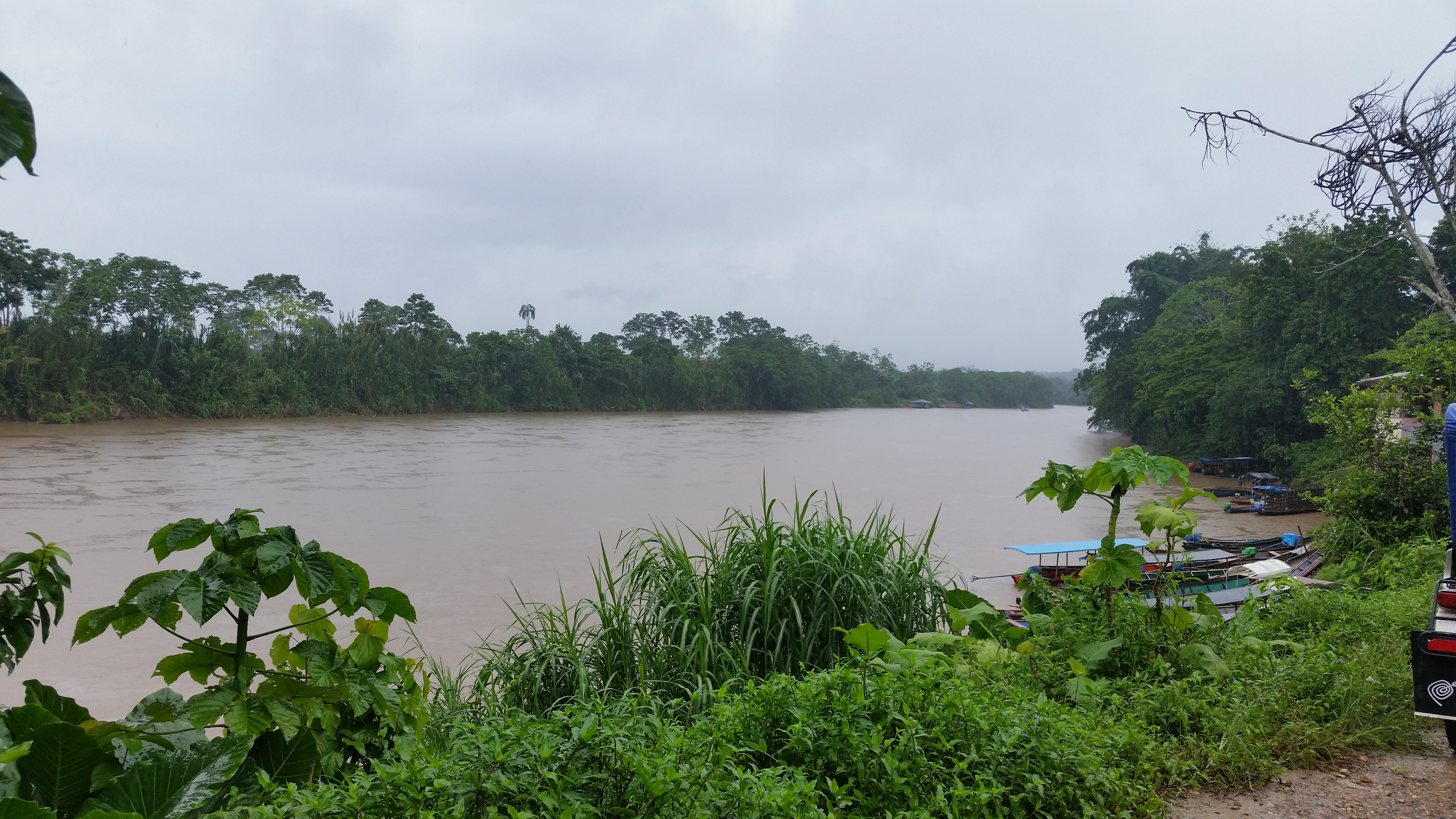
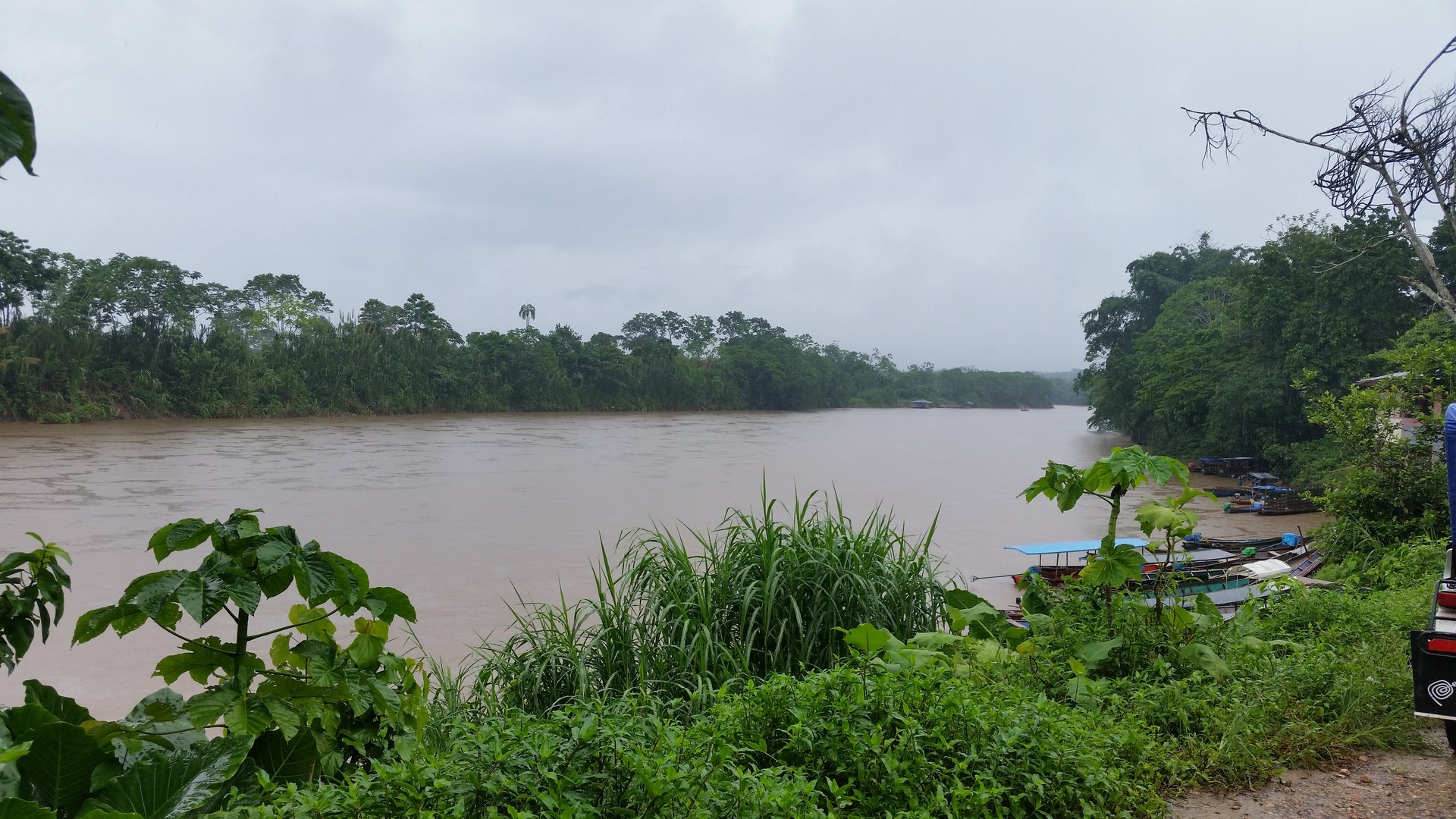
Image: Heiner Amado Cadillo via Wikimedia Commons (Puerto Bermúdez, Peru, 2016, CC BY-SA 3.0).
Last reviewed: 4 sources cited
No-strings cash for Indigenous families in the Amazon, and the forest gains too.
Close to 90% of participants adopted forest-friendly practices, such as native Planting trees where a forest was lost so it can grow back. Glossary, less forest burning and restoring water springs (University of Bath).
Explain Like I'm 10
- Some families in the Amazon rainforest have very little money.
- A charity gave each person a small amount of money every few months, to spend however they wanted.
- Families ate better, stayed home instead of leaving for work, and planted and protected more forest.
The Five W's of the basic income pilot
Who
The charity Cool Earth, co-designed with two Indigenous women-led groups, ONAMIAP and OMIAASEC; evaluated by the University of Bath.
What
A "Cash Plus" pilot: cash transfers of 1,032 soles, about £2 a day, plus community-led training.
When
Two years; the first transfer was made in November 2023, and results came out in October 2026.
Source: University of Bath, Can a basic income keep rainforests standing?
Where
Three Indigenous communities in Peru's Asháninka region, in the central Peruvian Amazon.
Why
To test direct cash as a fairer alternative to top-down conservation and, in the long run, to stop deforestation.
Connected Solutions
- Costa Rica Payments for Environmental Services (FONAFIFO) Costa Rica pays landowners to keep forests standing.
- MAAP, Amazon Deforestation Watch Satellite alerts that track Amazon deforestation.
Impact Statement
Nonprofit solution · pilot completed, rollout planned
Households unable to afford nutritious food fell from 73% to 26%. The study had no control group and did not measure forest cover or soil, so its effect on deforestation is not yet proven (The Guardian).
Each person received 1,032 Peruvian soles per transfer, roughly £2 a day, to spend as they liked (University of Bath).
How This Saves People & the Planet
For People
The share of people forced to leave home for outside work fell from 43% to 18%, and 70% of households could save money, up from 49% (University of Bath).
For Nature
Participants joined native reforestation, cut forest burning and restored water springs (University of Bath).
Support Cool Earth
Cool Earth accepts donations for its rainforest work.
 Donate
Related Solutions
More solutions like this one, matched by meaning.
Help This Work
Links go straight to the organization. Saving Planets doesn't receive any of the money.