Atoll Rewilding: Seabirds Against Sea-Level Rise
A 2026 study of 28 atoll islands found that removing rats and restoring native plants boosts the seabirds, reefs and sand that help atolls keep up with rising seas (Lancaster University).
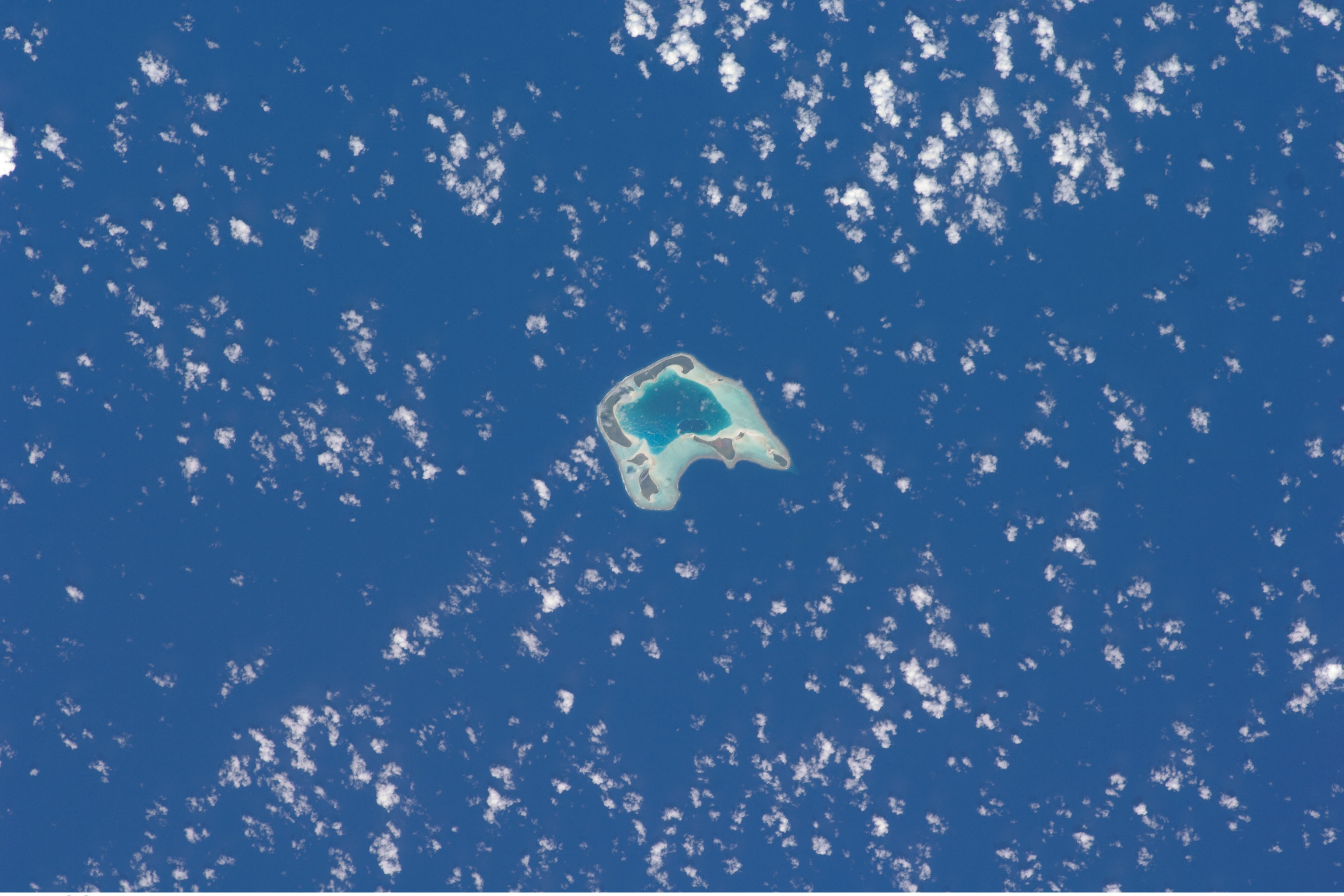
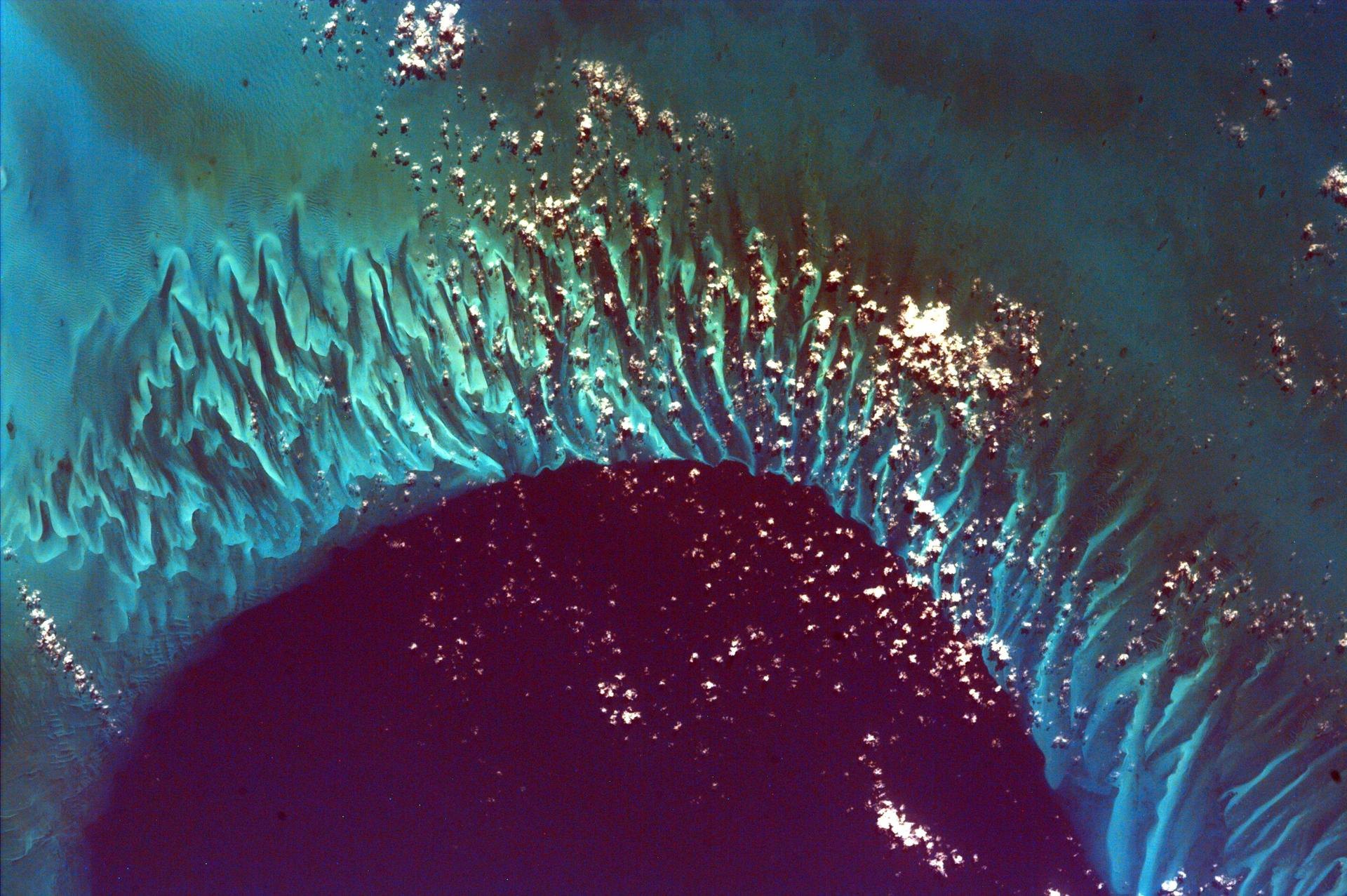
Image: NASA Johnson Space Center, ISS crew photo ISS018-E-024351 (Tetiaroa, French Polynesia, 27 Jan. 2009, public domain).
Last reviewed: 3 sources cited
Bring back the seabirds, and their droppings help reefs grow fast enough to keep up with rising seas.
Lagoon reefs beside rat-free, seabird-rich islands grew about 1.8 times faster, about 5.9 mm a year, enough to closely track projected sea-level rise to 2100 under 2°C of warming (Science Advances).
Explain Like I'm 10
- Atolls are rings of tiny, low islands made by coral.
- Seabirds catch fish at sea and leave droppings full of nutrients on the islands, which wash onto the reef.
- Where rats are gone, birds come back, reefs grow faster and the islands get more sand to stay above the waves.
The Five W's of atoll rewilding
Who
An international team led by Lancaster University (lead author Nick Graham), with The Nature Conservancy, the University of the Seychelles and others.
What
Measuring how seabird nutrients and native plants drive reef growth, sand production and soil stability, and what rat removal could add.
When
Published in Science Advances on 14 October 2026.
Where
28 atoll islands in the Seychelles and the Chagos Archipelago (Indian Ocean) and Tetiaroa, French Polynesia (Pacific).
Why
Invasive rats wiped out many island seabird colonies, and coconut plantations now cover about 60% of Pacific atoll forests.
Connected Solutions
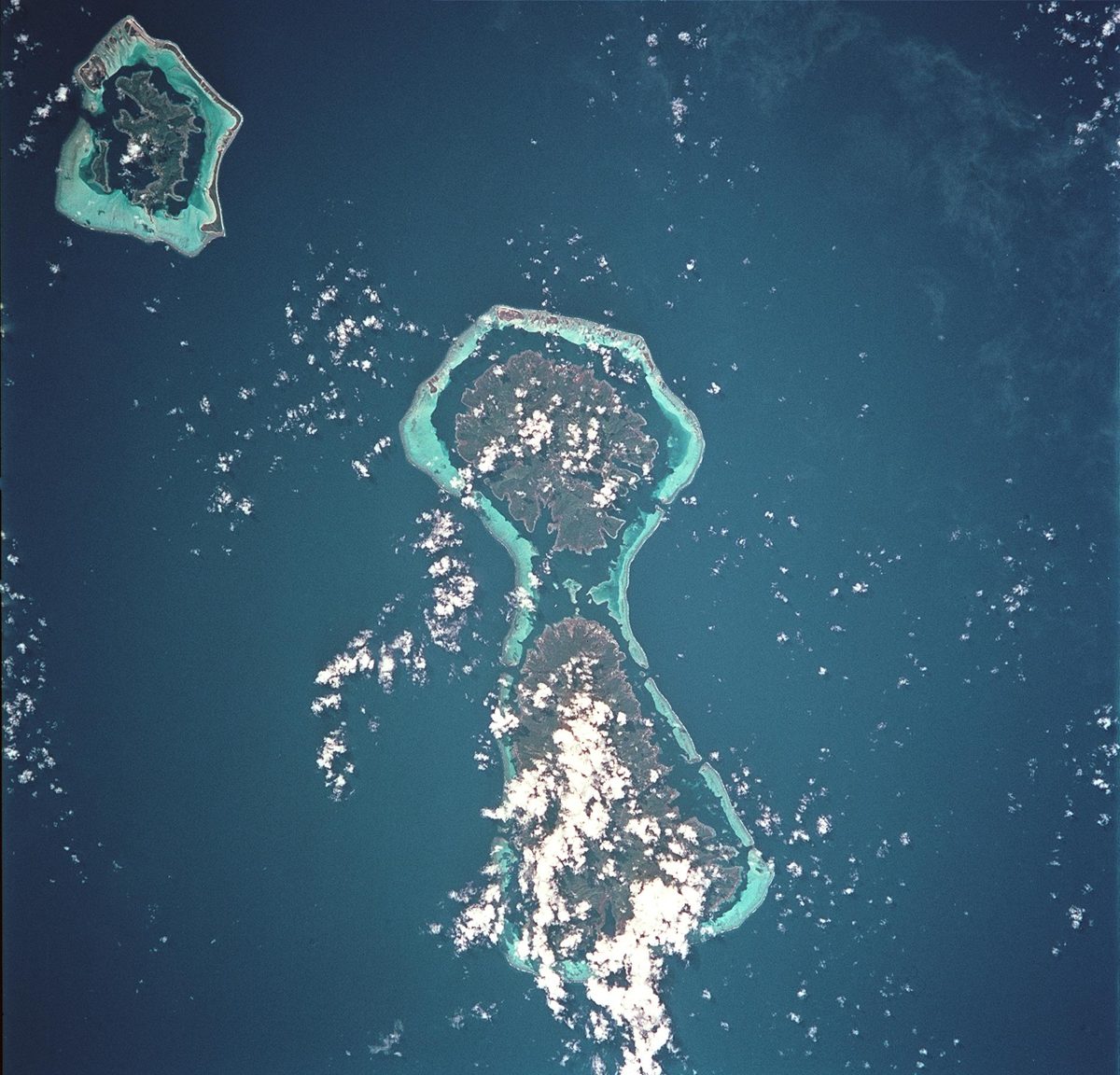
- South Georgia Habitat Restoration The world's largest island rodent eradication, declared a success in 2018.
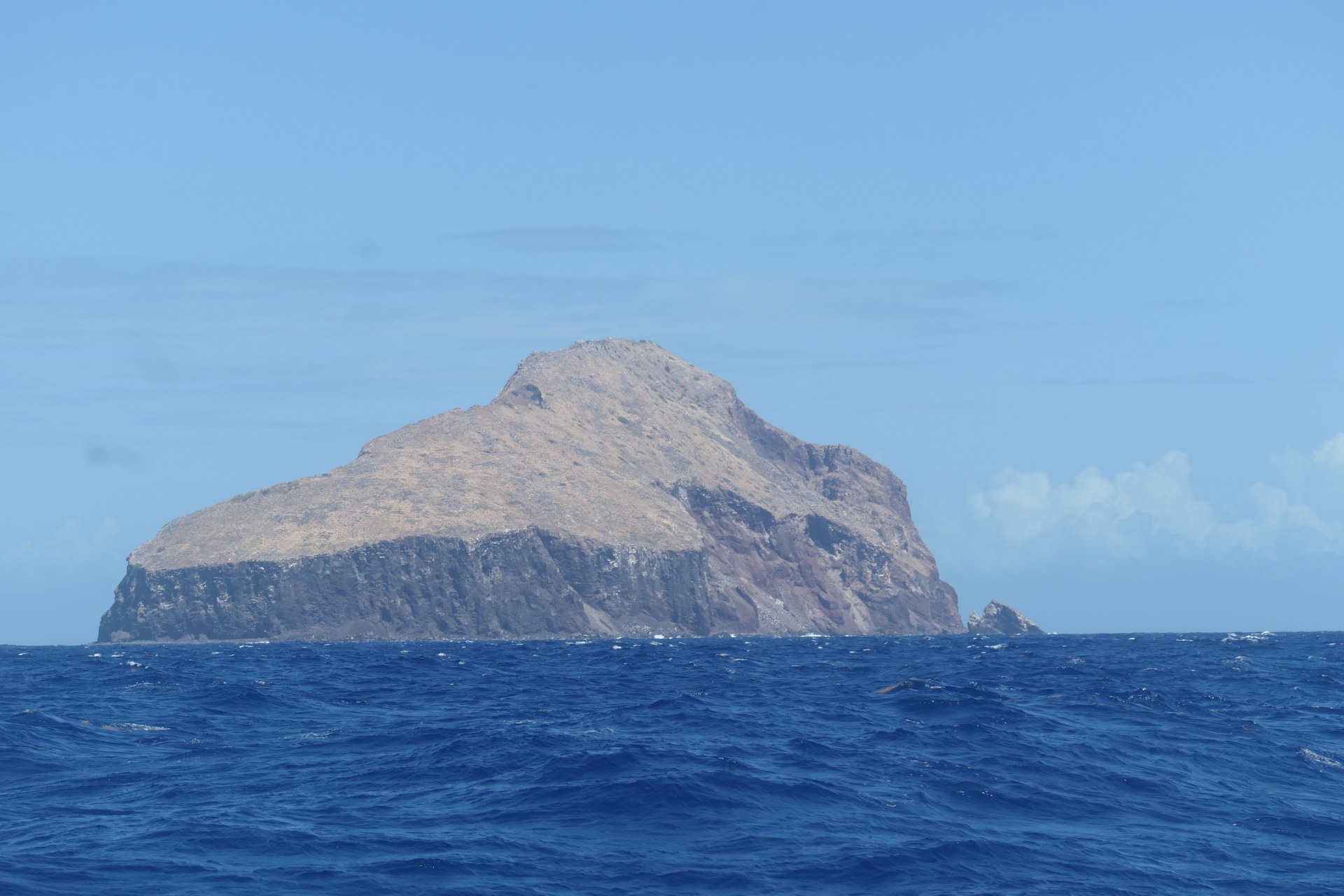
- Redonda Island Restoration A Caribbean island that turned green after rats and goats were removed.
Impact Statement
Nature-based solution · new research, 2026
Rat-free, seabird-rich islands had 2.3 to 2.8 times more sand-making on their reefs, and native plants meant 4.6 times more fine roots holding the soil. Restoration helps atolls adapt, but it is no substitute for cutting emissions (Science Advances).
Source: Rewilding the atoll engine, Science Advances (Oct. 2026)
For Further Information: Rewilding the atoll engine, Science Advances (Oct. 2026)
Around a small island of about 14 hectares, seabird-fed reefs could make about 170 cubic metres more Sand, mud and gravel carried by water that settles on river beds, lake bottoms and beaches. Glossary every year (Lancaster University).
How This Saves People & the Planet
For People
Where sea walls and other engineering are too costly or impractical, as on remote atolls, restoration offers another way to adapt (Lancaster University).
For Nature
Rats have already been removed from about 1,000 islands worldwide, at a growing rate (Science Advances).
Learn More About Atoll Rewilding
Want to go deeper? Read the study in Science Advances.
 For Further Information
Related Solutions
More solutions like this one, matched by meaning.
Help This Work
Links go straight to the organization. Saving Planets doesn't receive any of the money.