South Georgia Habitat Restoration
Two charities raised £10 million to clear rats and mice from South Georgia, and on 8 May 2018 the island was declared rodent-free (SGHT).
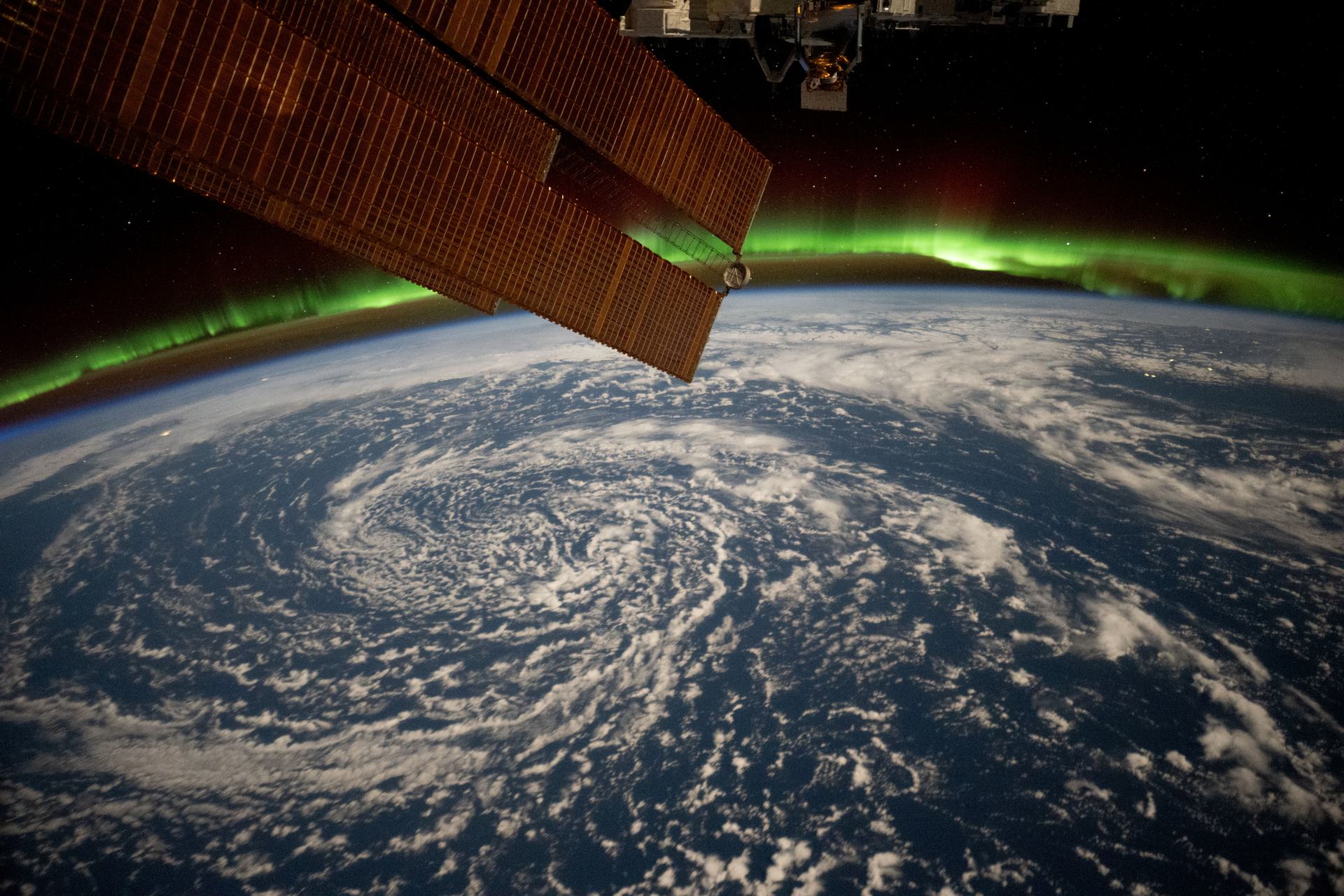
Image: NASA (ISS071-E-581850, astronaut photograph of South Georgia Island, Sept. 1, 2024).
Last reviewed: 1 source cited
The world's biggest rat hunt gave a whole island back to its seabirds.
The project covered 108,723 hectares, more than eight times larger than any rodent eradication area tackled before (SGHT).
Source: South Georgia Heritage Trust, Habitat Restoration Project
Explain Like I'm 10
- Long ago, ships brought rats and mice to South Georgia, an island near Antarctica.
- The rats ate the eggs and chicks of birds that nest on the ground.
- A team spread bait across the whole island, and in 2018 it was declared free of rats and mice.
The Five W's of the Habitat Restoration Project
Who
The South Georgia Heritage Trust, a Scottish charity, and its US partner, Friends of South Georgia Island.
Source: South Georgia Heritage Trust, Habitat Restoration Project
What
The Habitat Restoration Project: removing invasive rats and mice from the entire island so native birds can nest again.
Source: South Georgia Heritage Trust, Habitat Restoration Project
When
Baiting in 2011, 2013 and 2015, a full survey in 2017-18, and the rodent-free declaration on 8 May 2018.
Source: South Georgia Heritage Trust, Habitat Restoration Project
Where
South Georgia, a UK Overseas Territory in the South Atlantic Ocean.
Source: South Georgia Heritage Trust, Habitat Restoration Project
Why
Rats had devastated the island's bird populations for two centuries, and retreating glaciers were opening paths to the last rat-free areas.
Source: South Georgia Heritage Trust, Habitat Restoration Project
Connected Solutions
- Predator Free 2050 New Zealand's plan to remove introduced predators.
Impact Statement
Nonprofit solution · completed, now guarding the island
South Georgia was declared free of rodents for the first time since humans arrived over 200 years ago (SGHT).
Source: South Georgia Heritage Trust, Habitat Restoration Project
For Further Information: South Georgia Heritage Trust, Habitat Restoration Project
Three rodent detection dogs covered 2,420 km searching for any sign of rats and mice (SGHT).
How This Saves People & the Planet
For People
SGHT supports the island government with biosecurity measures, so ships and visitors do not bring rodents back (SGHT).
Source: South Georgia Heritage Trust, Habitat Restoration Project
For Nature
Storm petrels, prions, diving petrels and the endemic South Georgia pipit can breed on the main island again (SGHT).
Source: South Georgia Heritage Trust, Habitat Restoration Project
Support South Georgia
The South Georgia Heritage Trust keeps working to protect the island's wildlife.
 Donate
Related Solutions
More solutions like this one, matched by meaning.
Help This Work
Links go straight to the organization. Saving Planets doesn't receive any of the money.