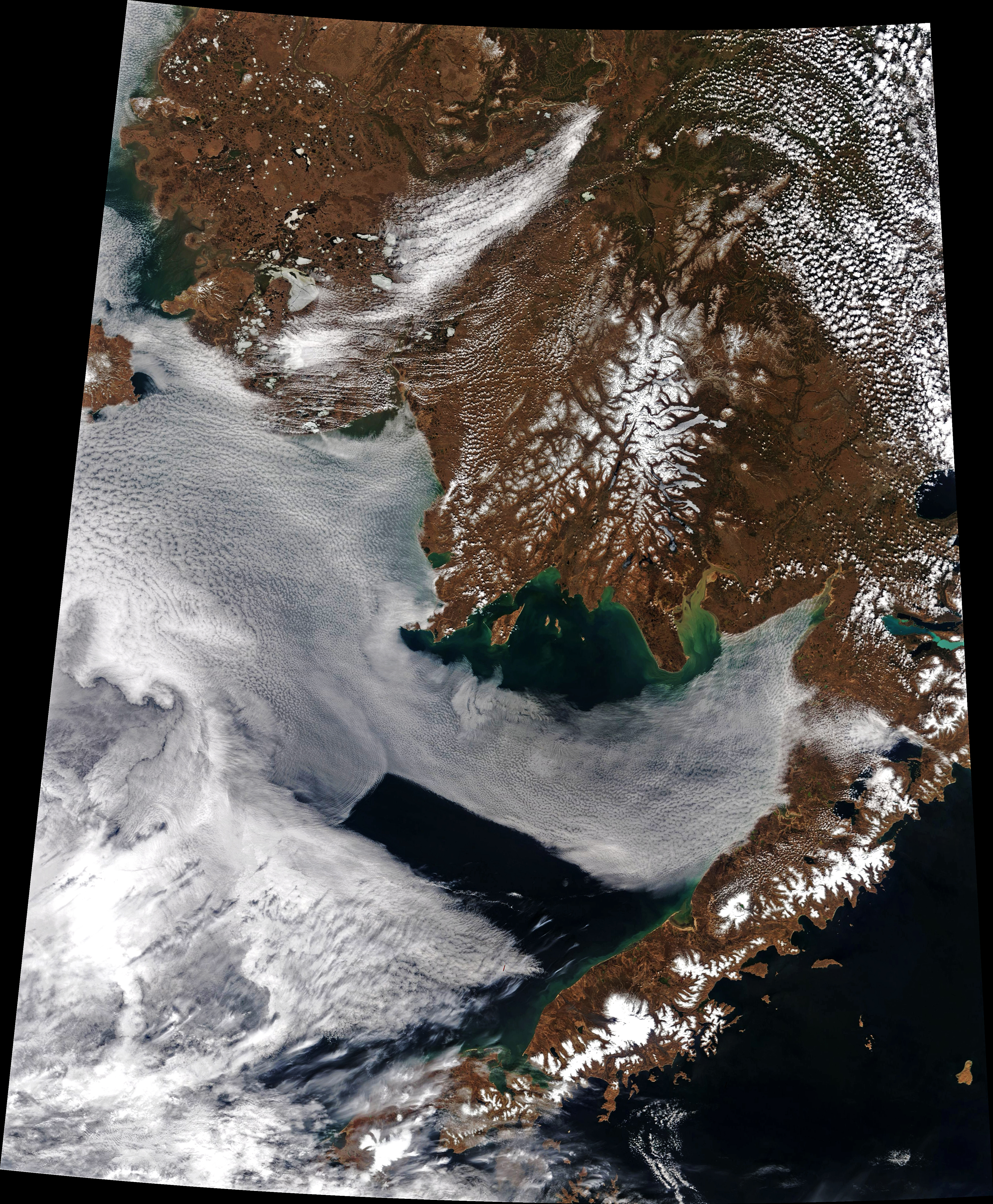
Bristol Bay Salmon Habitat Protection (EPA)
In January 2023, the U.S. EPA used Clean Water Act section 404(c) to limit mine waste disposal in Bristol Bay headwaters near the Pebble deposit. The decision is being challenged in federal court (EPA).
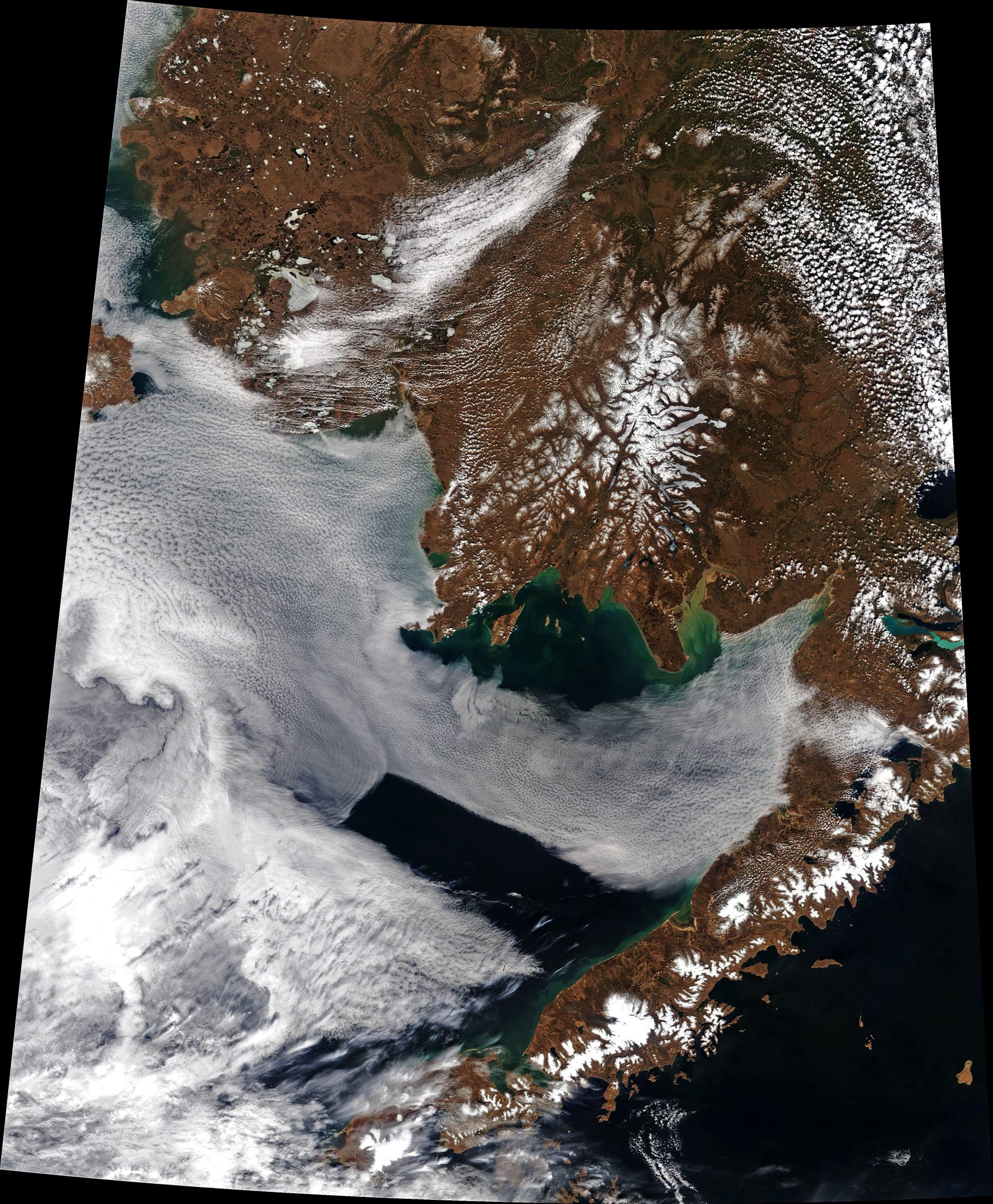
Image: NASA Earth Observatory image by Joshua Stevens, using MODIS data from LANCE/EOSDIS Rapid Response (Bristol Bay, May 14, 2017).
Last reviewed: 6 sources cited
The world's largest sockeye salmon fishery starts in these headwater streams.
In 2025, about 56.8 million sockeye salmon returned to Bristol Bay, 14% above the preseason forecast (ADF&G).
Source: Alaska Department of Fish and Game, 2025 Bristol Bay Area Annual Management Report (May 2026)
Explain Like I'm 10
- Bristol Bay in Alaska has rivers full of wild salmon.
- A large copper and gold mine was proposed near streams where many of those salmon start life.
- The U.S. government limited where mine waste could go, and a judge is now deciding whether that decision stands.
The Five W's of the Bristol Bay protection
Who
The U.S. Environmental Protection Agency (EPA), using its authority under Clean Water Act section 404(c).
Source: U.S. EPA, Final Determination for Pebble Deposit Area
What
A Final Determination that prohibits and restricts the use of certain waters in the South Fork Koktuli, North Fork Koktuli and Upper Talarik Creek All the land where rain and snow drain into the same river or lake. Glossary as disposal sites for dredged or fill material tied to a mine at the Pebble deposit.
Source: Federal Register, Final Determination, Pebble Deposit Area (Feb. 3, 2023)
Where
Headwaters of the Bristol Bay watershed in southwest Alaska, around the Pebble copper, gold and molybdenum deposit.
Source: Federal Register, Final Determination, Pebble Deposit Area (Feb. 3, 2023)
Why
EPA found the 2020 mine plan would permanently remove about 8.5 miles of salmon streams, 91 miles of streams that support them and 2,108 acres of wetlands and other waters.
Source: U.S. EPA, Final Determination for Pebble Deposit Area
Connected Solutions
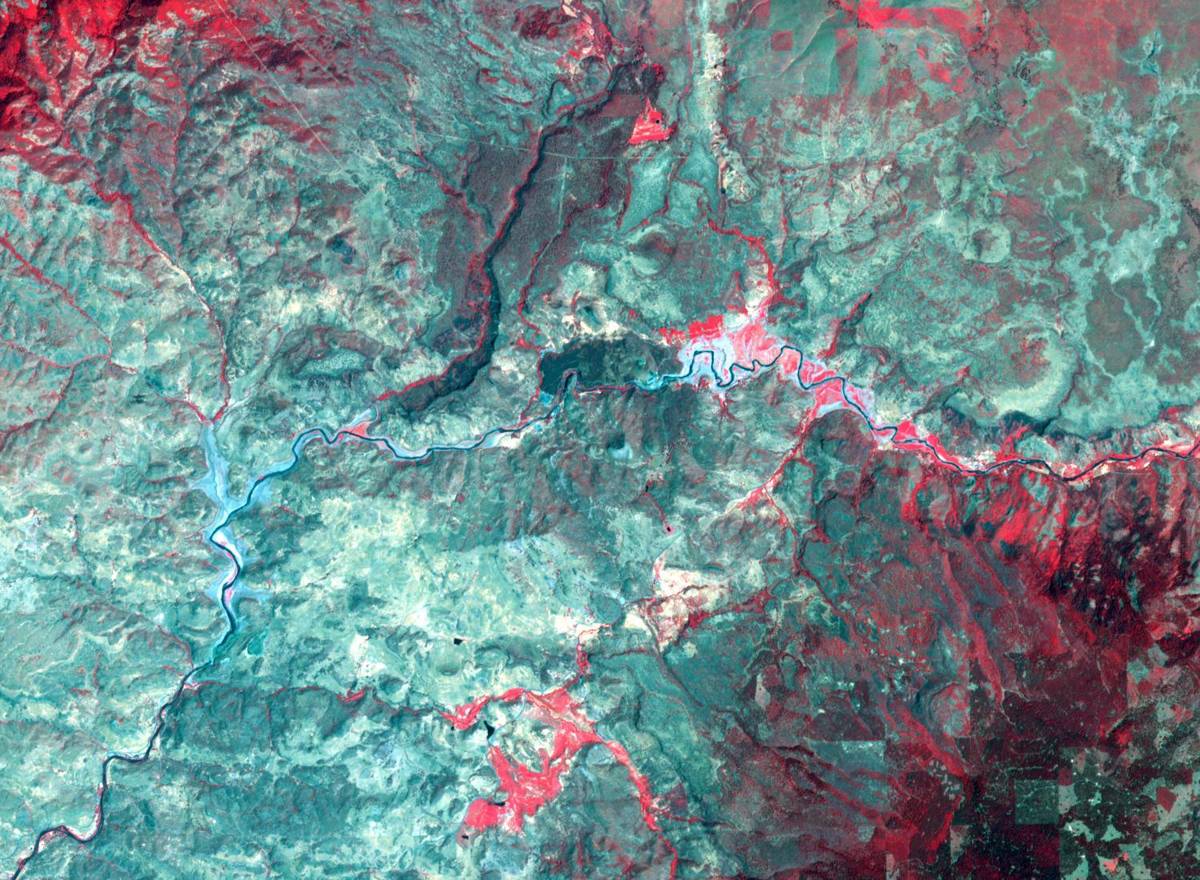
- Klamath River Dam Removal Reopening hundreds of miles of river to salmon.
Impact Statement
Government solution · active
In 2025, sockeye escapement goals were met or exceeded in every system with a goal, and the commercial sockeye harvest of 41.2 million fish was the 6th largest since records began in 1893 (ADF&G).
Source: Alaska Department of Fish and Game, 2025 Bristol Bay Area Annual Management Report (May 2026)
Northern Dynasty Minerals and the Pebble Limited Partnership, the State of Alaska and two Alaska Native village corporations sued in 2024, arguing EPA exceeded its authority. The U.S. Department of Justice defends the decision, joined by intervenors including Bristol Bay Native Corporation, tribes, fishing groups and conservation groups. Judge Sharon Gleason heard arguments on June 25, 2026, and had not ruled as of Oct. 20, 2026.
How This Saves People & the Planet
For People
The 2025 commercial salmon catch was worth about $201.3 million, and subsistence harvests averaged 105,749 salmon a year from 2014 to 2023 (ADF&G).
Source: Alaska Department of Fish and Game, 2025 Bristol Bay Area Annual Management Report (May 2026)
For Nature
Bristol Bay's salmon are entirely wild: no hatchery fish are raised or released in the watershed (EPA).
Source: U.S. EPA, Final Determination, Pebble Deposit Area (January 2023)
Learn More About Bristol Bay
Want to go deeper? EPA explains its Final Determination.
 For Further Information
Related Solutions
More solutions like this one, matched by meaning.
Help This Work
Links go straight to the organization. Saving Planets doesn't receive any of the money.