Alaska Kelp and Seaweed Farming
More than 20 kelp farms grow ribbon, giant, bull and sugar kelp in Alaska's cold, nutrient-rich waters (Alaska Mariculture Alliance).
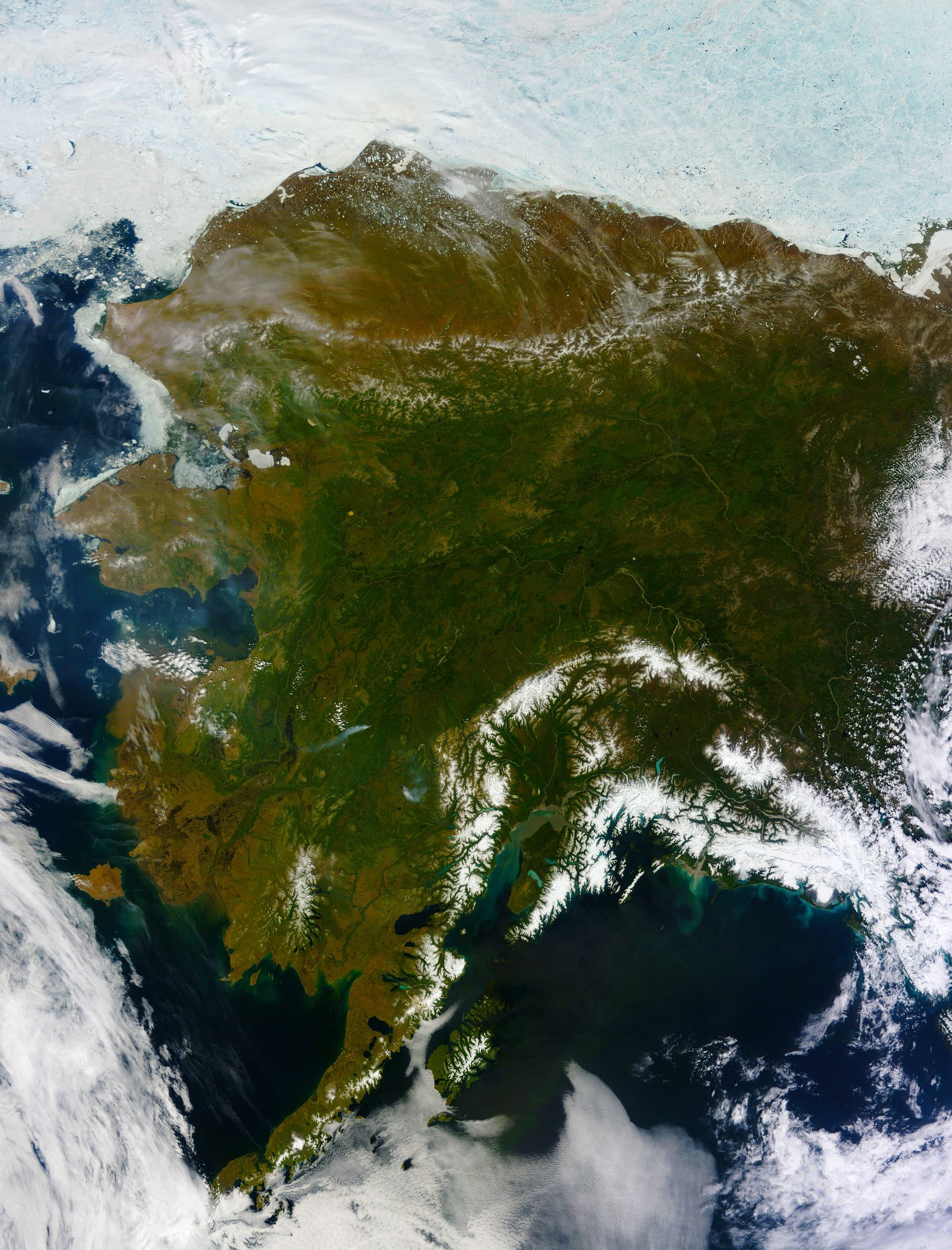
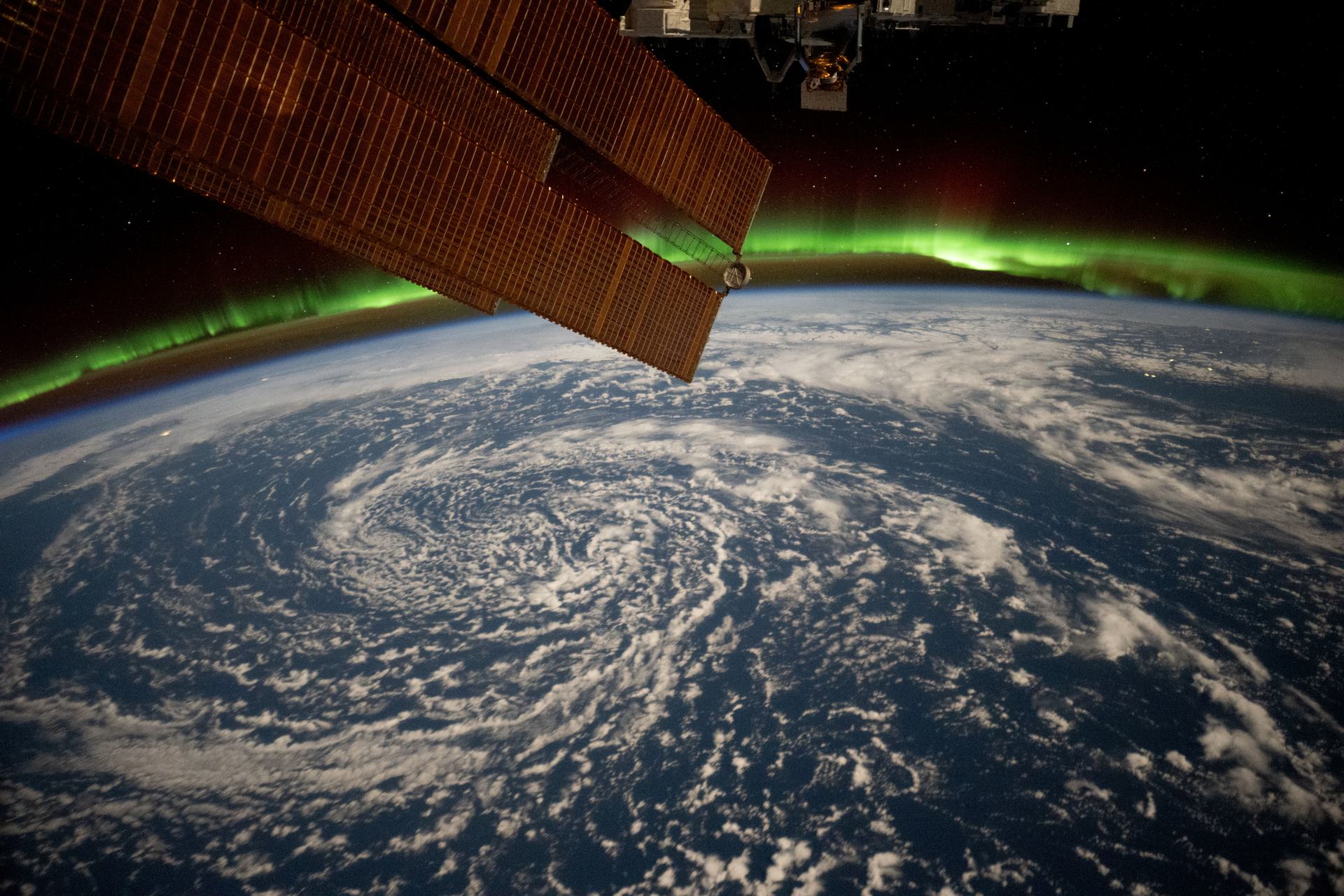
Image: NASA (GSFC_20171208_Archive_e001460, Terra/MODIS, Alaska, June 17, 2013).
Last reviewed: 3 sources cited
Alaska's youngest farm crop grows underwater.
Alaska seaweed farmers harvested 344,166 pounds in 2025, and the 2026 harvest is estimated at 650,000 to 850,000 pounds (McKinley Research Group).
Explain Like I'm 10
- Large brown seaweed that grows in cool ocean water and forms underwater forests full of sea life. Glossary is a big seaweed that grows fast in cold ocean water.
- Alaska farmers grow it on lines in the sea and harvest it each spring and early summer.
- It becomes food, farm and beauty products, and it takes up carbon and extra nutrients from the water.
The Five W's of Alaska kelp farming
Who
Alaska's kelp farmers, supported by the Alaska Mariculture Alliance and by Alaska Sea Grant, which trains seaweed and shellfish farmers.
What
Ocean farms that grow kelp. Under Alaska law, aquatic farming is limited to shellfish and seaweeds.
When
Alaska's first commercial kelp harvest was in 2017. Harvesting takes place each spring and early summer.
Where
Coastal Alaska. Of the 13 new aquatic farm lease applications in 2026, 10 are kelp farms in Southeast Alaska.
Why
Kelp farming supports coastal communities and contributes to ocean health by absorbing carbon and excess nutrients (Alaska Mariculture Alliance).
Connected Solutions
- Kelp Forests Why wild kelp forests matter, and the teams restoring them.
Impact Statement
Industry solution · active
Alaska hatcheries sold or transferred 353,930 feet of seeded line in 2025, the most on record (McKinley Research Group).
Alaska's seaweed harvest grew from 19,590 pounds in 2017 to a record 872,288 pounds in 2022 (McKinley Research Group).
How This Saves People & the Planet
For People
Alaska Sea Grant gives farmers training, workshops and help with permits and business plans, supporting coastal community resilience (Alaska Sea Grant).
Source: Alaska Sea Grant, Aquaculture in Alaska
For Nature
As it grows, kelp absorbs carbon and excess nutrients from the water (Alaska Mariculture Alliance).
Find Alaska Kelp
Want to go deeper? Alaska Sea Grant explains how mariculture works in Alaska.
 For Further Information
Related Solutions
More solutions like this one, matched by meaning.
Help This Work
Links go straight to the organization. Saving Planets doesn't receive any of the money.