African Parks
African Parks manages 24 protected areas in 13 countries, covering over 20 million hectares, in partnership with governments and local communities (nonprofit).
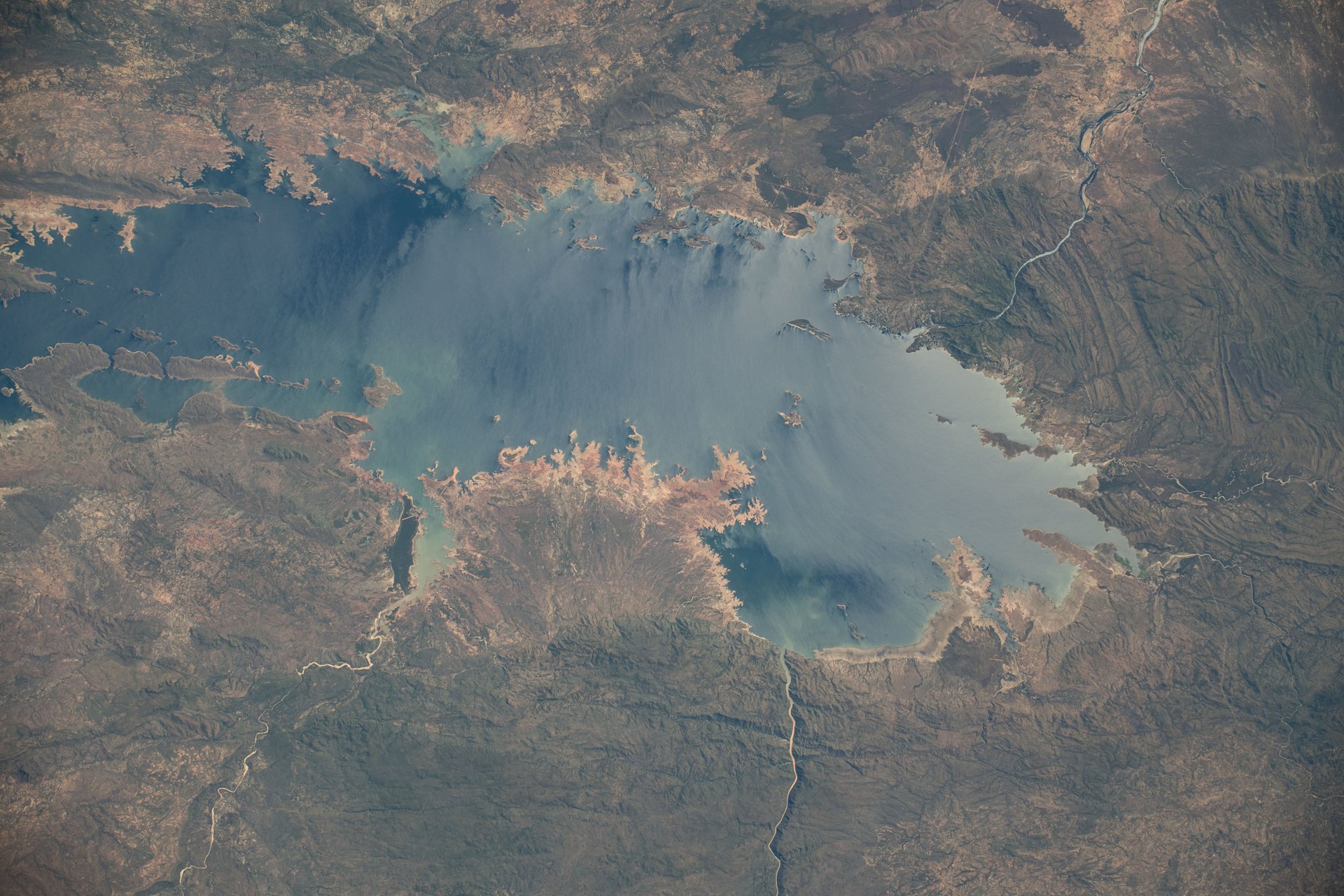
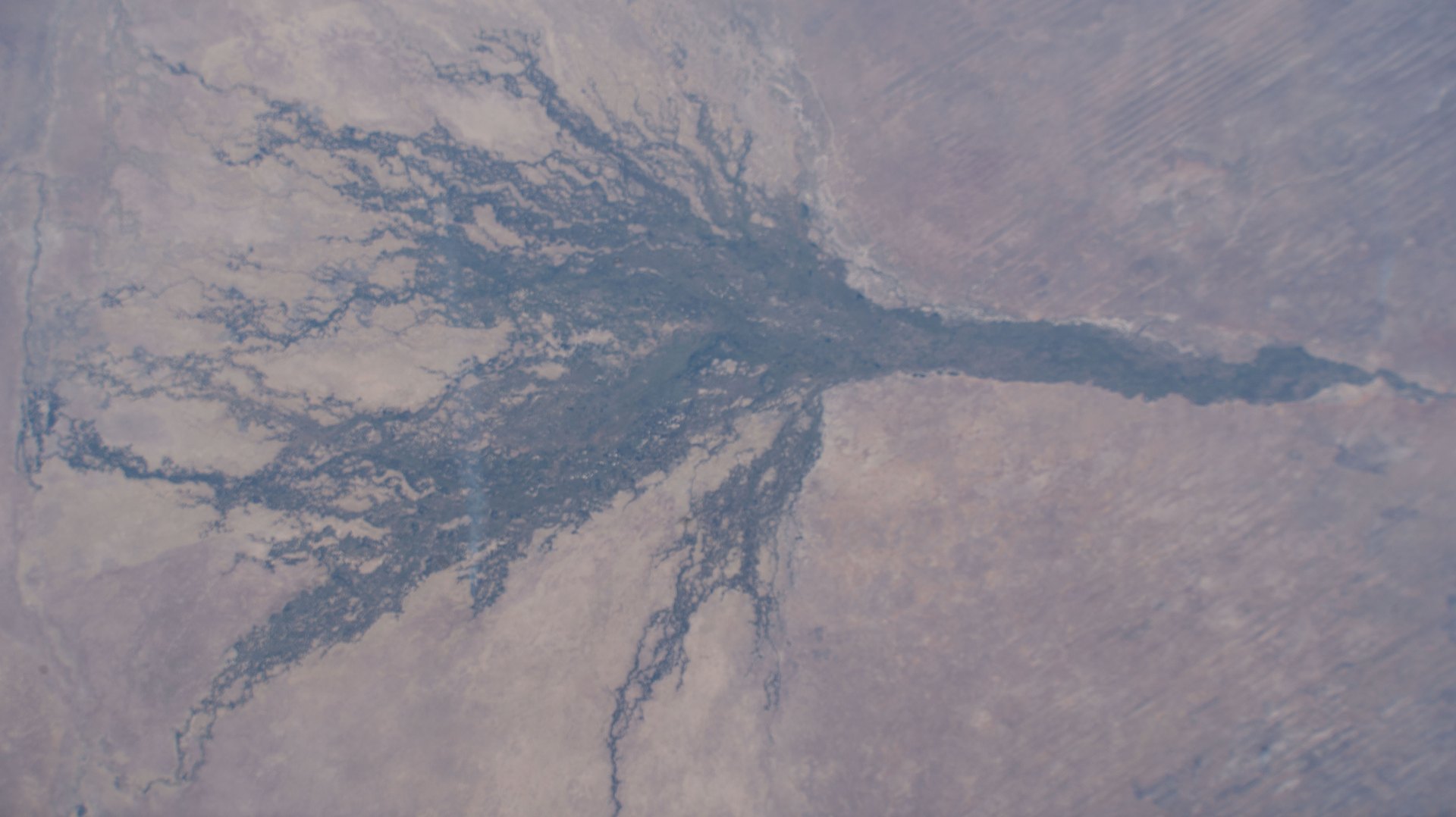
Image: NASA (iss071e047913, Lake Kariba between Zambia and Zimbabwe, May 2, 2024).
Last reviewed: 2 sources cited
One nonprofit now runs 24 of Africa's wild places with their governments and neighbours.
Over 25 years, African Parks has moved 11,610 animals of 37 species, 18 of which had become locally extinct (nonprofit figures).
Source: African Parks, 25 years
Explain Like I'm 10
- Some of Africa's national parks were losing their animals because there was not enough money or care.
- African Parks works with each country's government to run those parks well.
- It brings back animals that had disappeared and helps the people who live nearby.
The Five W's of African Parks
Who
African Parks, a non-profit conservation organisation, working in partnership with governments and local communities.
Source: African Parks, Our story
What
It takes on the long-term management of protected areas, run with a clear business approach.
Source: African Parks, Our story
When
Founded in 2000, in response to the dramatic decline of protected areas from poor management and lack of funding.
Source: African Parks, Our story
Where
24 protected areas in 13 countries, from Zakouma in Chad to Matusadona in Zimbabwe.
Source: African Parks, Our story
Why
So each park is ecologically, socially and financially sustainable for the long term. Its goal is 30 parks by 2030.
Source: African Parks, Our story
Connected Solutions
- Forest Elephants, Carbon Gardeners Elephants that help forests store more carbon.
Impact Statement
Nonprofit solution · active
African Parks reports 11,610 animals of 37 species translocated over 25 years to restore how A community of living things and the place they live, like a reef or a forest, all depending on each other. Glossary work (nonprofit figures).
Source: African Parks, 25 years
For Further Information: African Parks, 25 years
Of the 37 species African Parks has moved, 18 had disappeared from the area before they were brought back (nonprofit figures).
How This Saves People & the Planet
For People
African Parks focuses on economic development and on reducing poverty in the communities around each park (African Parks).
Source: African Parks, Our story
For Nature
Its parks cover over 20 million hectares of wild land across 13 countries (African Parks).
Source: African Parks, Our story
Support African Parks
Support African Parks directly.
 Donate
Related Solutions
More solutions like this one, matched by meaning.
Help This Work
Links go straight to the organization. Saving Planets doesn't receive any of the money.