London Tideway Tunnel (Super Sewer)
London's new super sewer catches sewage that used to spill into the River Thames in storms, with room for 1.6 million cubic metres (Tideway).
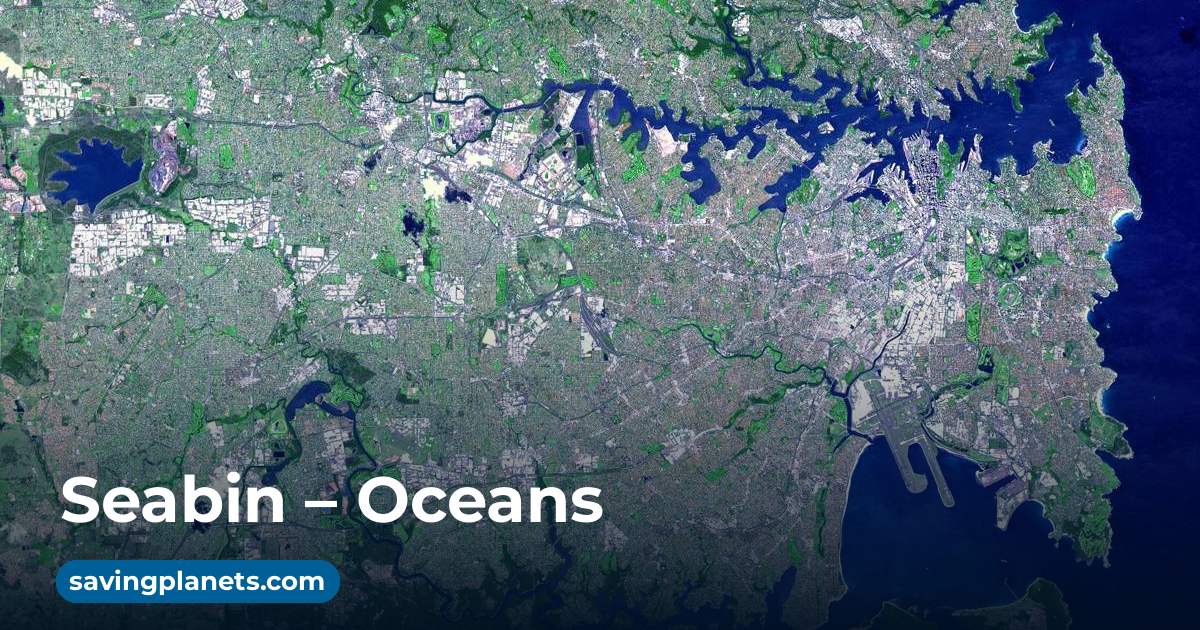
Image: NASA (iss074e0381351, March 13, 2026).
Last reviewed: 1 source cited
Explain Like I'm 10
- When it rains hard in London, old sewers used to overflow into the River Thames.
- A giant new tunnel under the river now catches that dirty water.
- The water is sent away to be cleaned, so the river stays healthier.
The Five W's of the Tideway Tunnel
What
A "super sewer" tunnel 7.2 metres wide that intercepts, stores and transfers sewage away from the River Thames.
Source: Tideway, The tunnel
When
In May 2024 the super sewer was connected to the Lee Tunnel, working since 2016, completing the full network.
Source: Tideway, The tunnel
Where
Under London, from Acton in the west, 31 metres deep, falling to 66 metres at Abbey Mills Pumping Station in the east.
Source: Tideway, The tunnel
Why
During heavy storms, rain and sewage used to spill into the Thames at overflow points. The tunnel now captures it to be treated.
Source: Tideway, The tunnel
Impact Statement
Company solution · active
The London Tideway Tunnel network can store 1.6 million cubic metres of sewage, about 600 Olympic-size swimming pools, to protect the tidal Thames (Tideway).
Source: Tideway, The tunnel
For Further Information: Tideway, The tunnel
The super sewer can hold about 600 Olympic-size swimming pools of sewage (Tideway).
How This Saves People & the Planet
For People
The tunnel protects the river that runs through the heart of London from polluting sewage spills (Tideway).
Source: Tideway, The tunnel
For Nature
Sewage is now captured and sent for treatment, protecting the river and its wildlife (Tideway).
Source: Tideway, The tunnel
Learn More About the Tideway Tunnel
Want to go deeper? Tideway has the full story of the tunnel.
 For Further Information
Related Solutions
More solutions like this one, matched by meaning.


Help This Work
Links go straight to the organization. Saving Planets doesn't receive any of the money.