EMIT (NASA)
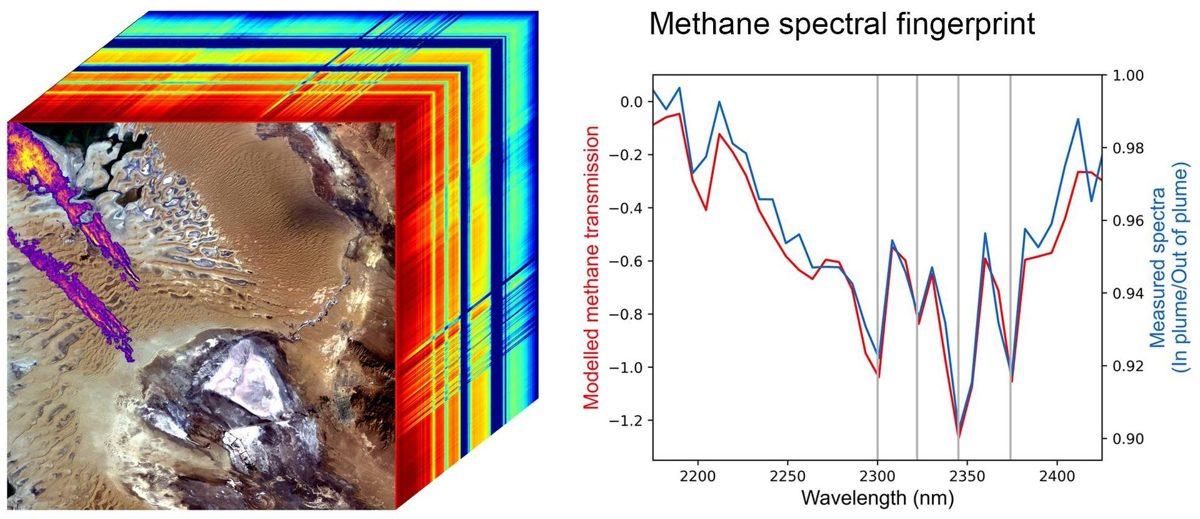
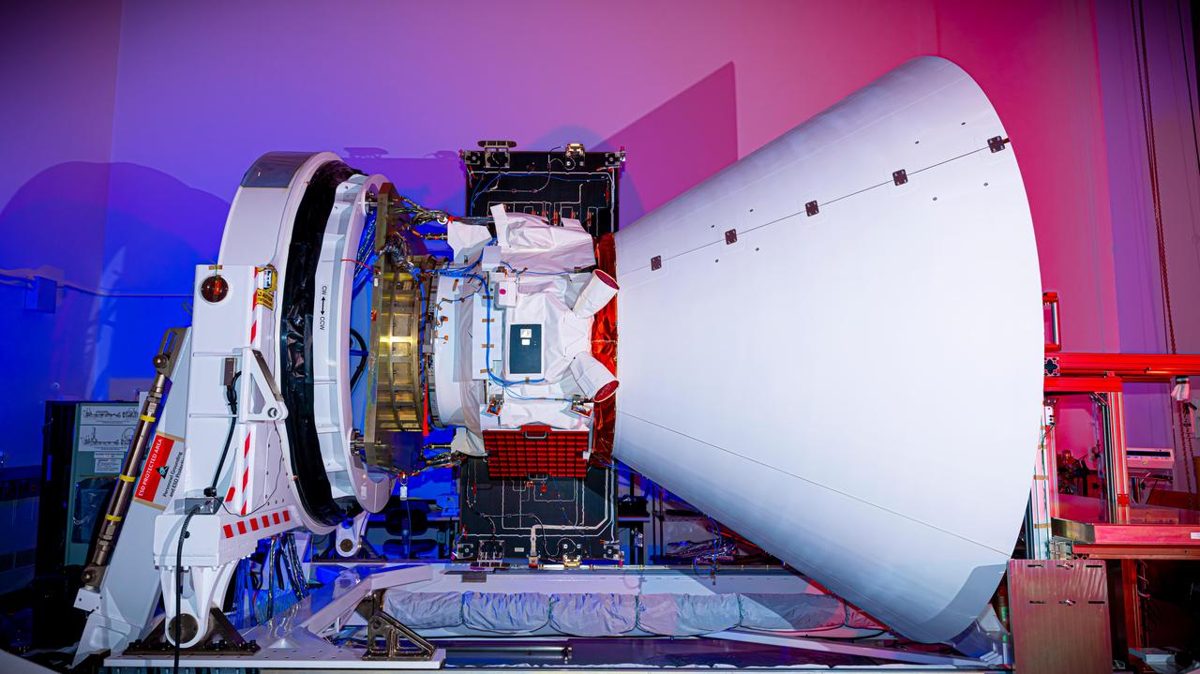
NASA's EMIT instrument on the International Space Station maps the minerals in desert dust and has spotted methane super-emitters from space (NASA JPL).
Image: NASA/JPL-Caltech.
Last reviewed: 4 sources cited
Explain Like I'm 10
- EMIT is a special camera on the International Space Station.
- It splits sunlight into many colors to tell what the ground is made of.
- It also spotted big leaks of A greenhouse gas that traps much more heat than carbon dioxide over a few decades. It leaks from oil and gas sites, landfills and farms. Glossary, a gas that heats the planet, so they can be fixed.
The Five W's of EMIT
Who
NASA's Jet Propulsion Laboratory leads EMIT, a NASA Earth Venture instrument installed on the International Space Station.
Source: NASA JPL, EMIT mission
What
EMIT is an imaging spectrometer that measures visible and A kind of light our eyes can't see that we feel as heat. Special cameras use it to see warm objects and gases. Glossary light. It takes more than 100,000 spectra every second across a 72-kilometer (39-mile) field of view.
Source: NASA JPL, EMIT mission
When
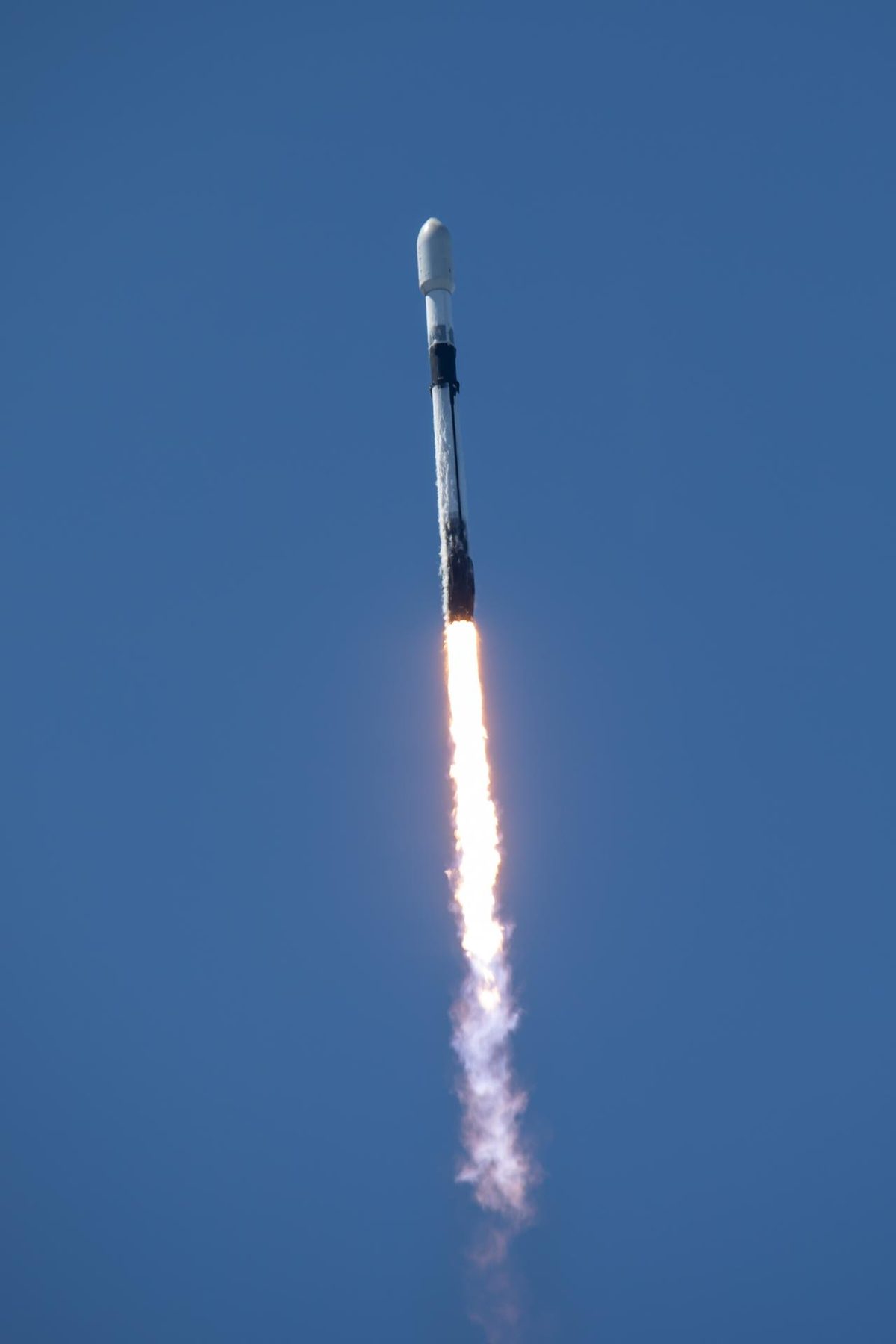
EMIT launched to the space station on a SpaceX rocket. In early 2024 it moved into an extended mission and will keep collecting data through at least 2026.
Source: NASA JPL, EMIT mission
Where
On the International Space Station, looking down at the dry, dusty regions of Earth where mineral dust comes from.
Source: NASA JPL, EMIT mission
Why
Wind carries desert dust around the world. Dark minerals can warm Earth and light ones can cool it, so knowing the dust's makeup improves climate models.
Source: NASA JPL, EMIT mission
Impact Statement
Agency solution · active
Within months, EMIT had found more than 50 methane super-emitters in Central Asia, the Middle East and the southwestern United States (NASA JPL).
Source: NASA JPL, Methane super-emitters mapped by EMIT
For Further Information: NASA JPL, EMIT mission
EMIT collects more than 100,000 light spectra every second from the space station.
How This Saves People & the Planet
For People
In 2020, African dust blown across the Atlantic affected U.S. states from Florida to Texas. EMIT's maps help scientists study dust's effects on people.
Source: NASA JPL, EMIT mission
For Nature
Finding methane super-emitters helps operators stop leaks of a powerful heat-trapping gas (NASA JPL).
Get Involved With EMIT
Want to go deeper? NASA JPL has the full EMIT story.
 For Further Information
Related Solutions
More solutions like this one, matched by meaning.
Help This Work
This is a public mission, so there is nothing to donate. You can explore its free data or join a citizen science project.