Dragonfly Titan Rotorcraft (NASA)
NASA's Dragonfly is a car-size rotorcraft that will fly across Saturn's moon Titan to study the chemistry that came before life (NASA).
Image: NASA.
Last reviewed: 5 sources cited
Explain Like I'm 10
- Dragonfly is like a giant drone with eight rotors.
- It will fly to Titan, a moon of Saturn with a thick, hazy sky.
- It will look for the kinds of chemistry that came before life on Earth.
The Five W's of Dragonfly
Who
NASA, with the rotorcraft designed and built at the Johns Hopkins Applied Physics Laboratory. It is a mission of NASA's New Frontiers program.
Source: NASA Science, Dragonfly
What
The first rotorcraft to explore another world. It has eight rotors and flies like a large drone, stopping to sample the surface.
When
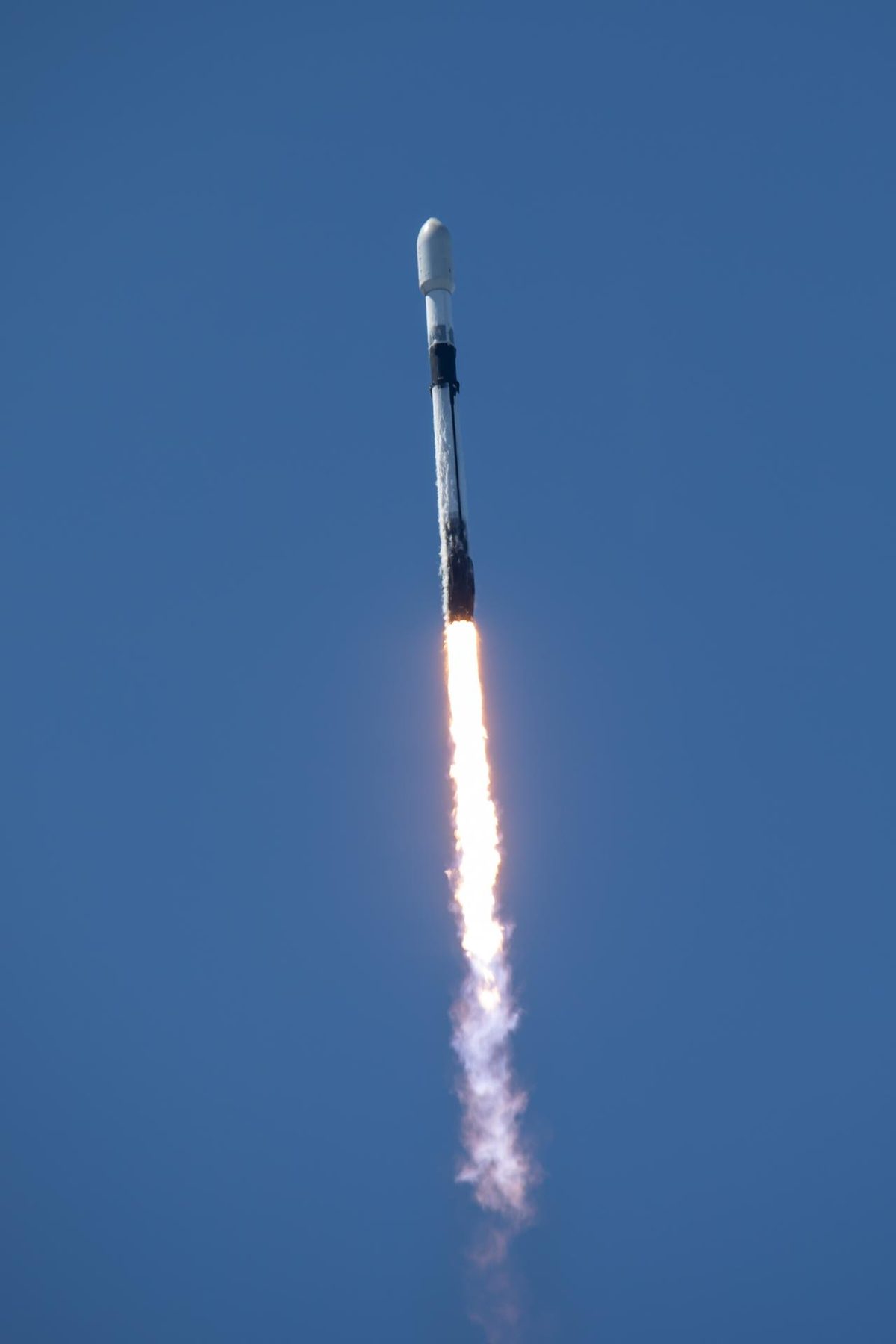
Launch is targeted for July 5–25, 2028, on a SpaceX Falcon Heavy, with arrival at Titan in 2034.
Source: NASA, Dragonfly launch contract
Where
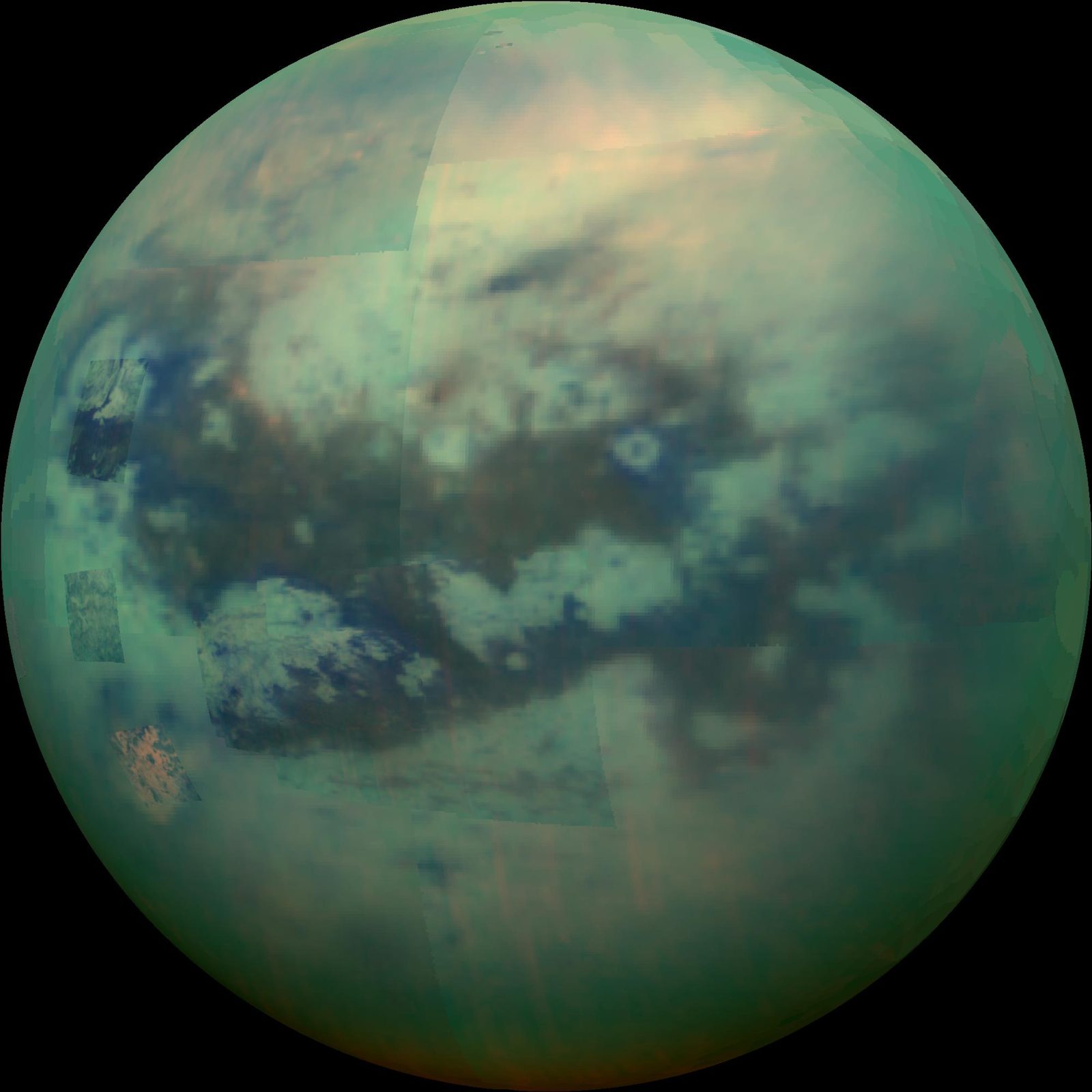
Saturn's moon Titan, including its dunes and Selk Crater. It will launch from NASA's Kennedy Space Center in Florida.
Source: NASA Science, Dragonfly
Why
Titan's chemistry may resemble early Earth before life began. Dragonfly will study that prebiotic chemistry.
Impact Statement
Agency solution · planned
Dragonfly is planned to explore Titan for 3.3 years, flying to many sites instead of staying in one place (NASA).
Source: NASA Science, Dragonfly
For Further Information: NASA Science, Dragonfly
Dragonfly plans one flight every one or two Titan days, and one Titan day lasts about 16 Earth days.
How This Saves People & the Planet
For People
Studying chemistry that came before biology helps us understand how life could have started on Earth (NASA).
Source: NASA Science, Dragonfly
For Nature
Learning how planets and moons build life's ingredients helps us understand and value Earth's own living systems.
Source: NASA Science, Dragonfly
Get Involved With Dragonfly
Want to go deeper? NASA has the full Dragonfly story.
 For Further Information
Related Solutions
More solutions like this one, matched by meaning.

Help This Work
This is a public mission, so there is nothing to donate. You can explore its free data or join a citizen science project.