Copernicus Sentinel-3 (ESA / EUMETSAT)
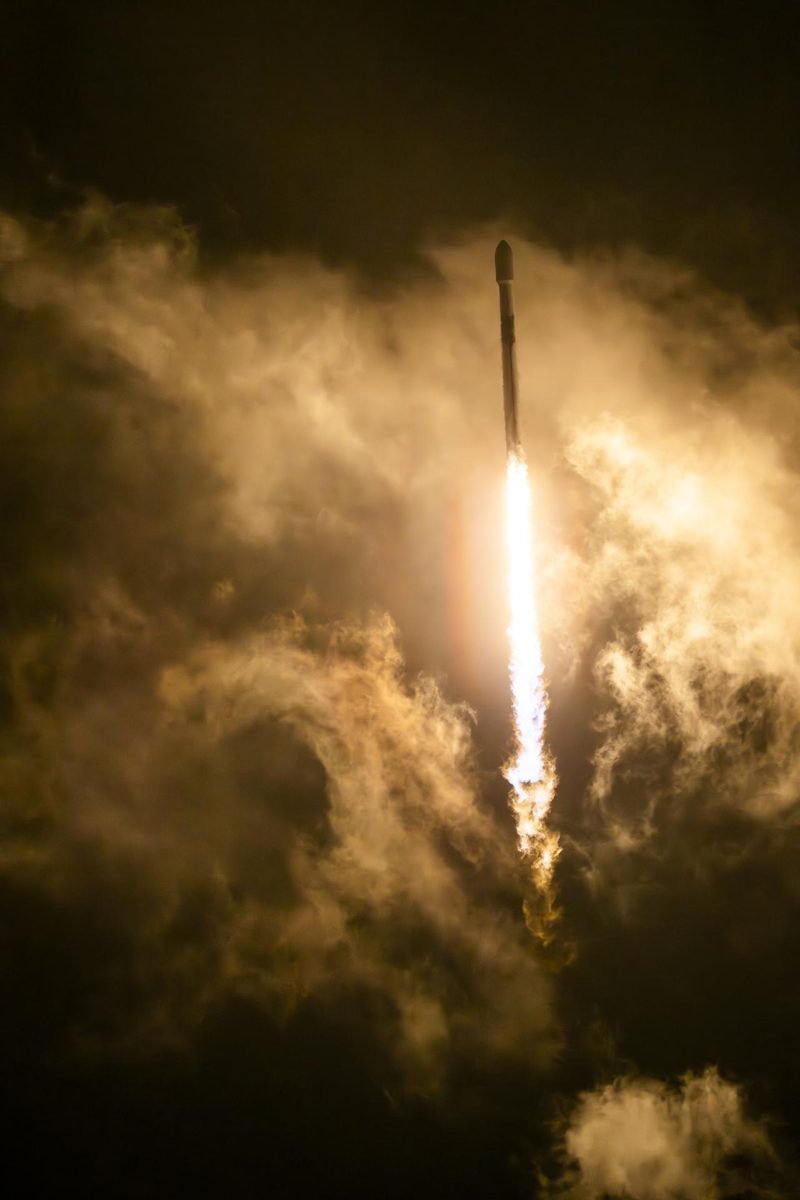
The Copernicus Sentinel-3 satellites measure Earth's oceans, land, ice and atmosphere, and a third satellite, Sentinel-3C, launched on September 15, 2026 (ESA).
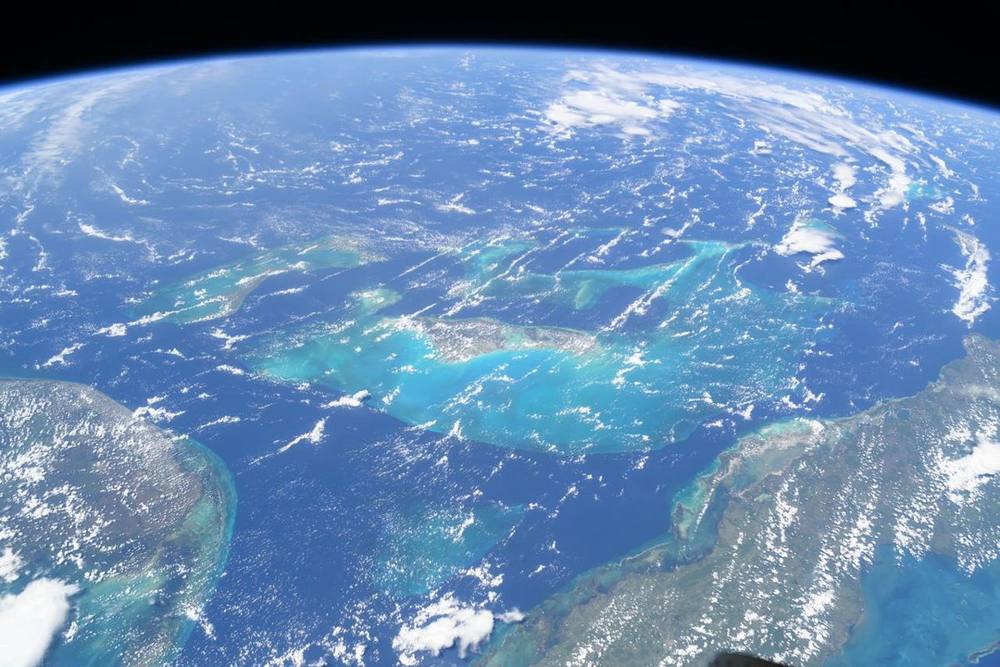
Image: NASA, International Space Station.
Last reviewed: 5 sources cited
Explain Like I'm 10
- Sentinel-3 satellites check the oceans, land and ice all the time.
- They measure how warm the sea is, how high it is, and even spot fires.
- Weather and ocean forecasters use this to keep people safe.
The Five W's of Sentinel-3
Who
ESA developed Sentinel-3, and ESA and EUMETSAT operate it together for the EU's Copernicus program.
What
Satellites with instruments for ocean and land color (21 bands), sea and land temperature with two dedicated fire channels, sea height and more.
When
Sentinel-3C launched on September 15, 2026, on a Vega-C rocket together with ESA's FLEX satellite.
Where
In a polar The curved path an object takes as it travels around a planet, moon or star, like a satellite circling Earth. Glossary about 814 kilometers up. Sentinel-3C launched from Europe's Spaceport in French Guiana.
Why
To monitor large-scale changes on Earth and provide near-real-time information for ocean and weather forecasting.
Source: ESA, Sentinel-3
Impact Statement
Agency solution · active
Sentinel-3 data track sea-level change, sea temperature, water quality, sea ice, glacier melt, river and lake height, and wildfires (ESA).
Source: ESA, Sentinel-3 facts and figures
For Further Information: ESA, Sentinel-3 facts and figures
Sentinel-3's temperature radiometer has two channels built just for spotting fires.
How This Saves People & the Planet
For People
Near-real-time Sentinel-3 data feed ocean and weather forecasts (ESA).
Source: ESA, Sentinel-3
For Nature
Sentinel-3 monitors vegetation health, water quality and ice, helping track A community of living things and the place they live, like a reef or a forest, all depending on each other. Glossary over time.
Get Involved With Sentinel-3
Want to go deeper? ESA and EUMETSAT has the full Sentinel-3 story.
 For Further Information
Related Solutions
More solutions like this one, matched by meaning.
Help This Work
This is a public mission, so there is nothing to donate. You can explore its free data or join a citizen science project.