PAME: Protecting the Arctic Marine Environment
PAME is the Arctic Council working group for the protection and sustainable use of the Arctic marine environment (PAME).
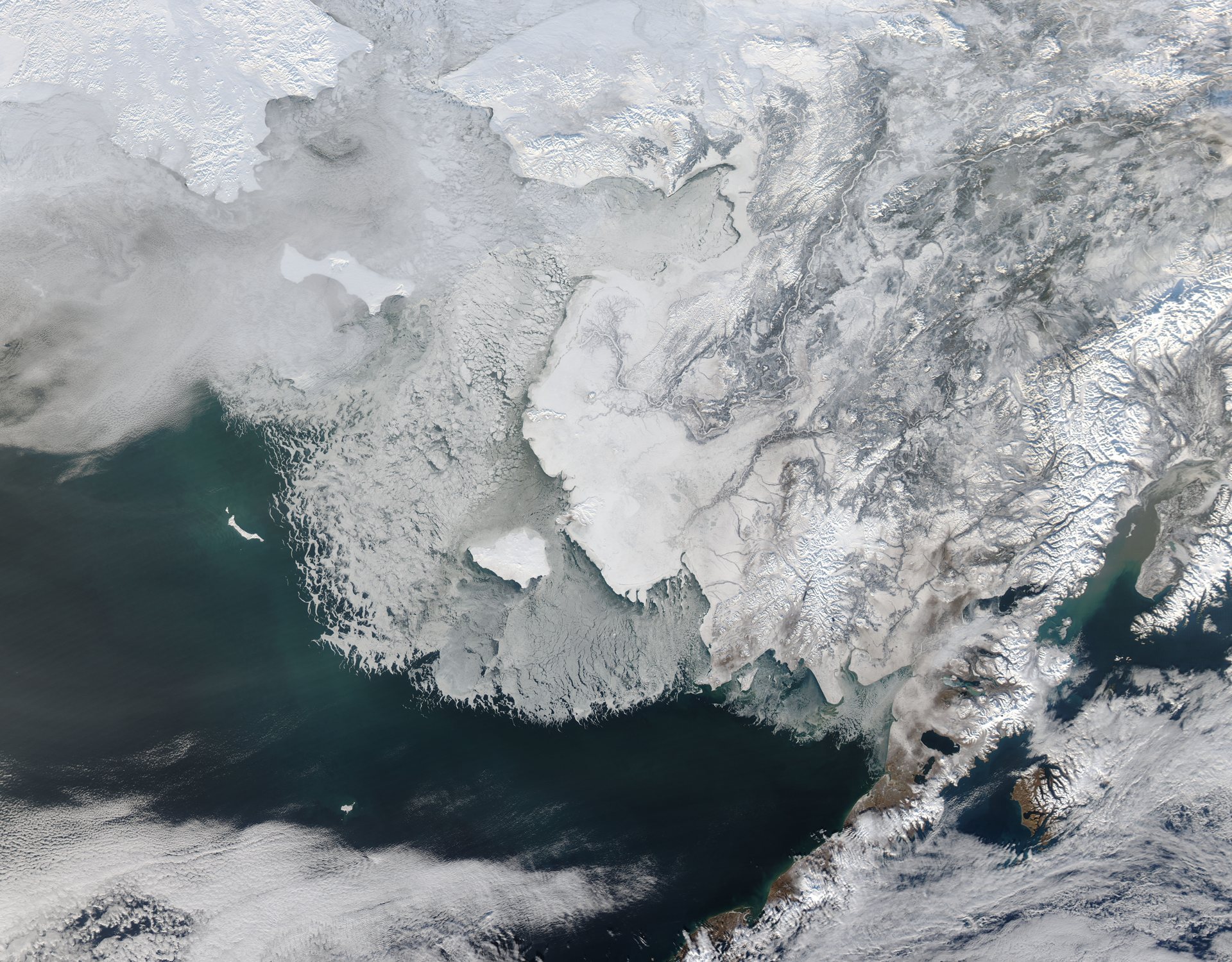
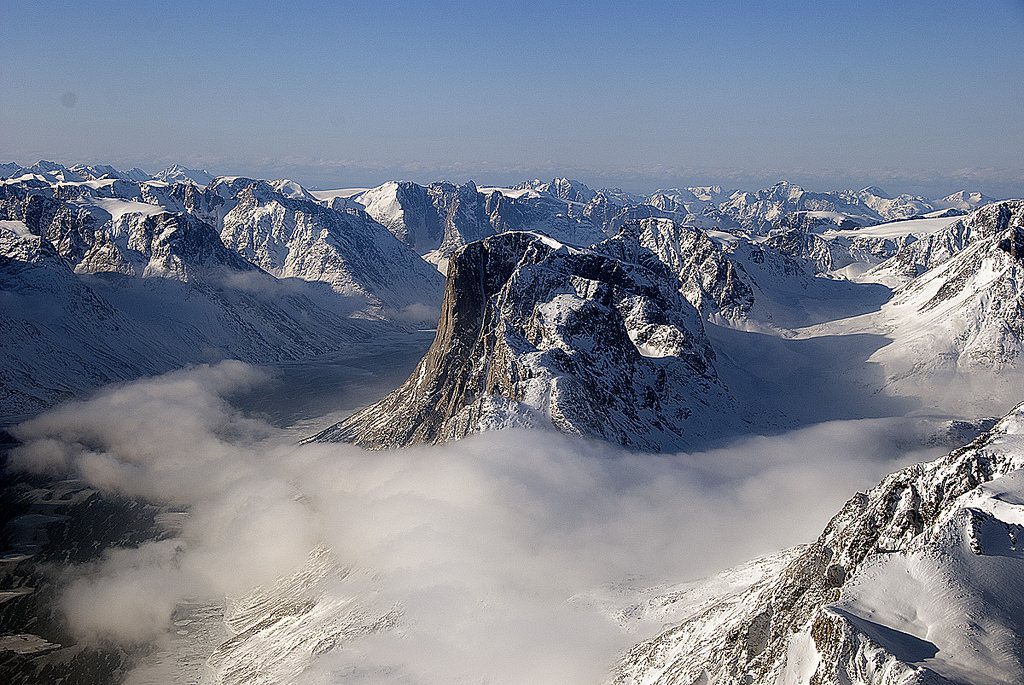
Image: NASA/GSFC/Jeff Schmaltz, MODIS Land Rapid Response Team (GSFC_20171208_Archive_e000769, Feb. 4, 2014, public domain).
Last reviewed: 2 sources cited
Tracking ships and plastic so the Arctic Ocean stays clean.
Between 2013 and 2025, unique ships in the Arctic Polar Code area rose 40% and distance sailed nearly doubled, from 6.1 to 11.9 million nautical miles (PAME).
Source: PAME (Protection of the Arctic Marine Environment), home page
Explain Like I'm 10
- More ships now sail in the Arctic.
- Ships and plastic can harm Arctic seas.
- PAME tracks them and writes plans to keep the ocean healthy.
The Five W's of PAME
Who
PAME, a working group of the Arctic Council.
Source: PAME (Protection of the Arctic Marine Environment), home page
What
Plans, assessments and guidelines on Arctic shipping, marine litter and marine protected areas.
Source: PAME (Protection of the Arctic Marine Environment), home page
When
Ongoing; its symposium on marine plastic pollution was held 20 to 22 October 2026 in Reykjavík.
Source: PAME (Protection of the Arctic Marine Environment), home page
Where
The Arctic marine and coastal environment.
Source: PAME (Protection of the Arctic Marine Environment), home page
Why
To prevent pollution and manage marine activities as the Arctic changes.
Source: PAME (Protection of the Arctic Marine Environment), home page
How You Can Help
- Follow Plastic in a Bottle: track the drifting capsules on the live map with your class
- Explore Arctic ship traffic data: see how shipping has changed since 2013
No Donate button here: PAME is an intergovernmental working group and does not take donations. The ways to take part above are real options listed on the organization's own site.
Saving Planets features PAME because its work helps the planet. This is a showcase, not a partnership: we are not partners with PAME and receive nothing from it.
Connected Solutions
- CAFF The Arctic Council's biodiversity working group.
Impact Statement
Intergovernmental solution · Arctic Council working group
Its Plastic in a Bottle GPS capsules drift with ocean currents to show how marine litter travels in and out of Arctic waters (PAME).
Source: PAME (Protection of the Arctic Marine Environment), home page
For Further Information: PAME (Protection of the Arctic Marine Environment), home page
The longest Plastic in a Bottle journey so far has lasted 649 days (PAME).
How This Saves People & the Planet
For People
Its shipping work covers the safety and sustainability of marine activities that Arctic communities rely on (PAME).
Source: PAME (Protection of the Arctic Marine Environment), home page
For Nature
Its marine litter work helps keep plastic out of Arctic waters (PAME).
Source: PAME (Protection of the Arctic Marine Environment), home page
Learn More About PAME
Want to go deeper? PAME publishes its Arctic shipping and litter work.
 For Further Information
Related Solutions
More solutions like this one, matched by meaning.
Help This Work
Links go straight to the organization. Saving Planets doesn't receive any of the money.