IAATO: Responsible Antarctic Tourism
IAATO, founded in 1991, promotes safe and environmentally responsible private-sector travel to the Antarctic (IAATO).
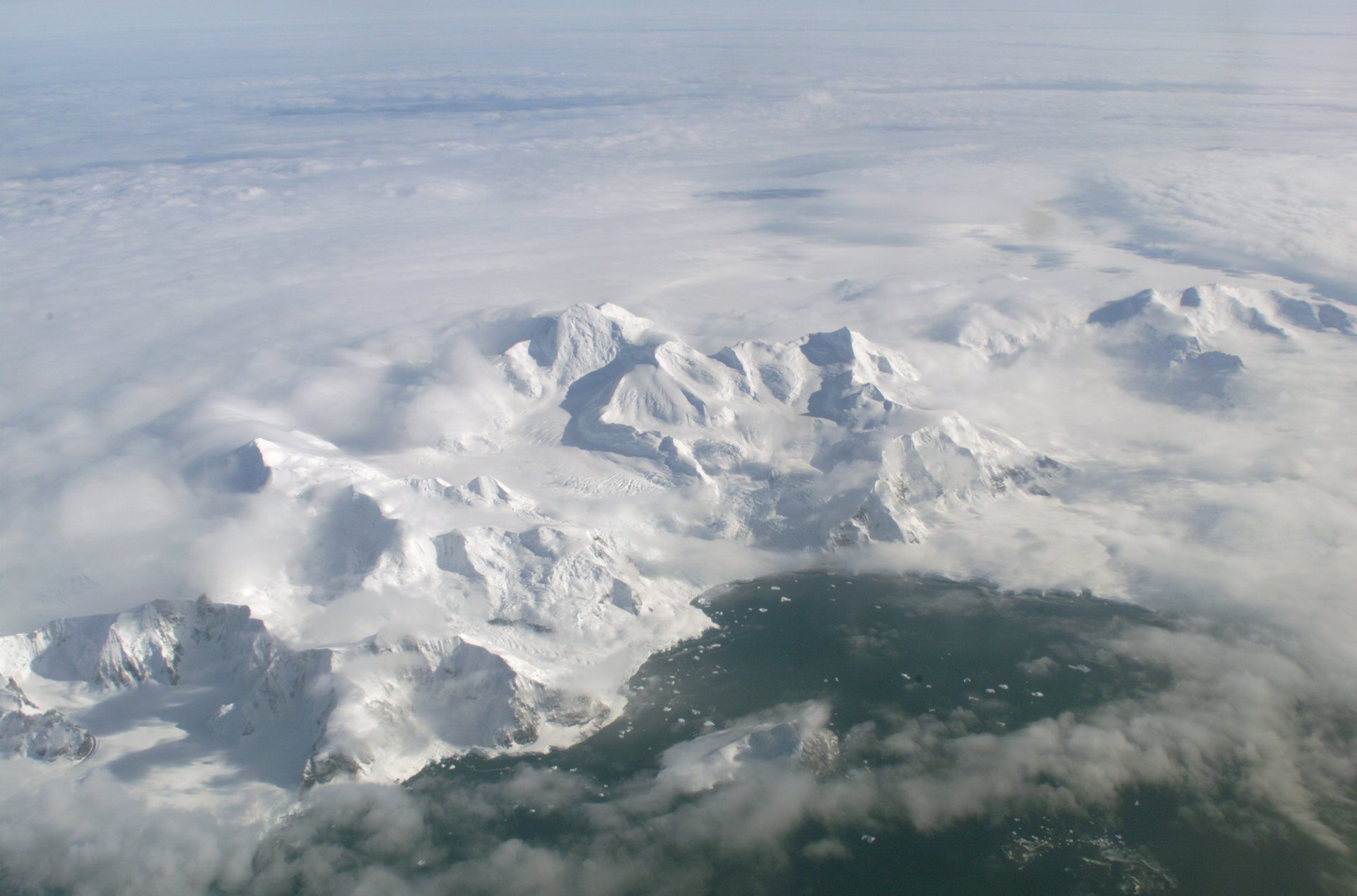
Image: NASA/Jim Ross (ED04-0056-110, AirSAR 2004, public domain).
Last reviewed: 3 sources cited
Rules that let visitors see Antarctica without harming it.
In 2019 IAATO set up vessel slow-down areas covering more than 20,000 km² where whales are dense, to reduce the risk of ship strikes (IAATO).
Source: IAATO, Citizen Science
Explain Like I'm 10
- Some people visit Antarctica on ships.
- Visitors could disturb wildlife.
- IAATO members follow rules, and visitors help scientists too.
The Five W's of IAATO
How You Can Help
- Join citizen science: Happywhale and GLOBE Clouds accept photos and observations from volunteers
- Check a tour operator: if you visit, see whether the company is an IAATO member
No Donate button here: IAATO is an industry association and does not take donations. The ways to take part above are real options listed on the organization's own site.
Saving Planets features IAATO because its work helps the planet. This is a showcase, not a partnership: we are not partners with IAATO and receive nothing from it.
Connected Solutions
- Penguin Watch Count penguins online.
Impact Statement
Industry association · since 1991
Member operators offer guests citizen science such as Happywhale, Penguin Watch and NASA's GLOBE Clouds (IAATO).
Source: IAATO, Citizen Science
For Further Information: IAATO, Citizen Science
Visitors represent more than 100 nationalities on average per season (IAATO).
How This Saves People & the Planet
For People
Visitors return home as ambassadors of goodwill, guardianship and peace (IAATO).
Source: IAATO, home page
For Nature
Slow-down areas reduce the risk of ships striking whales (IAATO).
Source: IAATO, Citizen Science
Learn More About IAATO
Want to go deeper? See IAATO's citizen science projects.
 For Further Information
Related Solutions
More solutions like this one, matched by meaning.


Help This Work
Links go straight to the organization. Saving Planets doesn't receive any of the money.