Want to go deeper? NASA, PACE mission has the full story and the latest updates.
 For Further Information
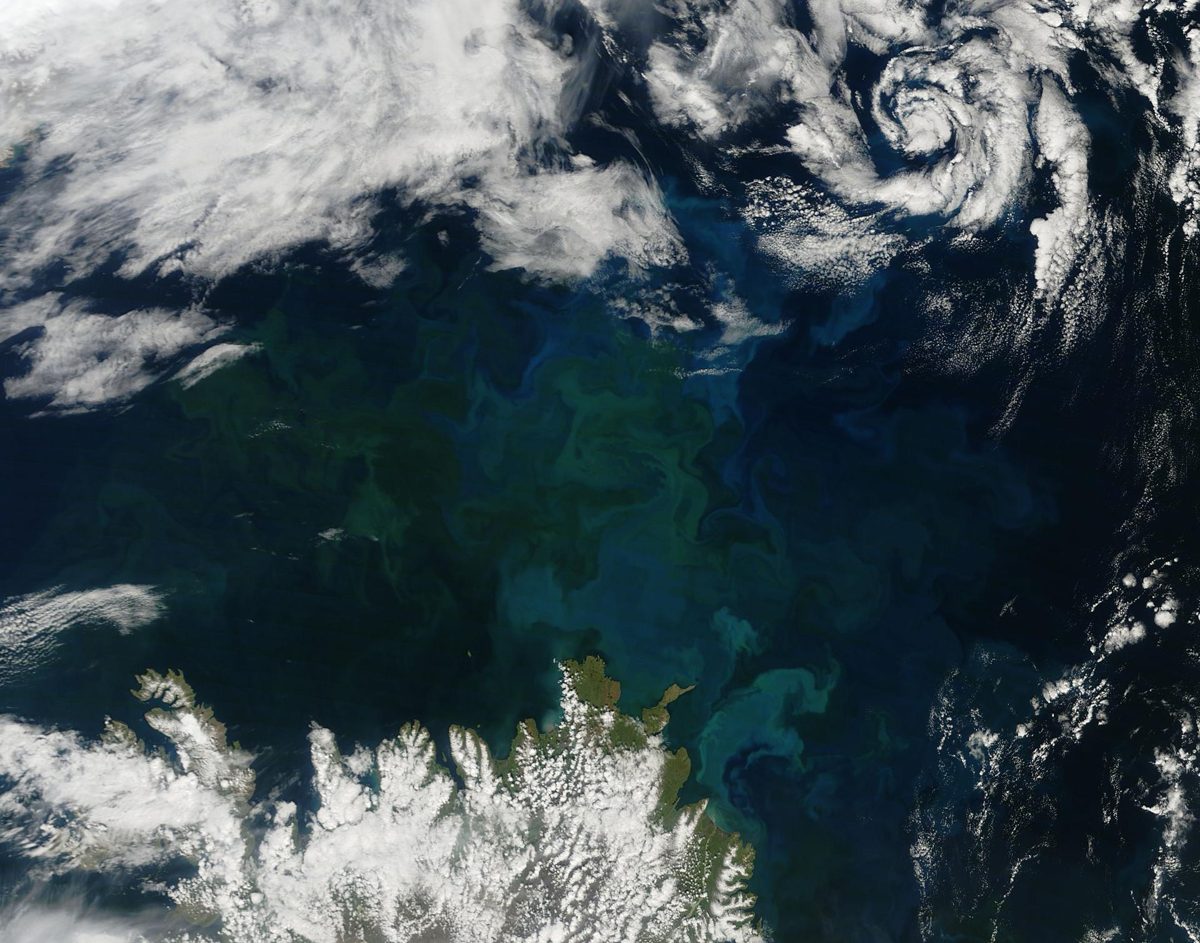
NASA's PACE reads the color of the ocean to track phytoplankton, the base of the marine food web, plus aerosols and clouds.
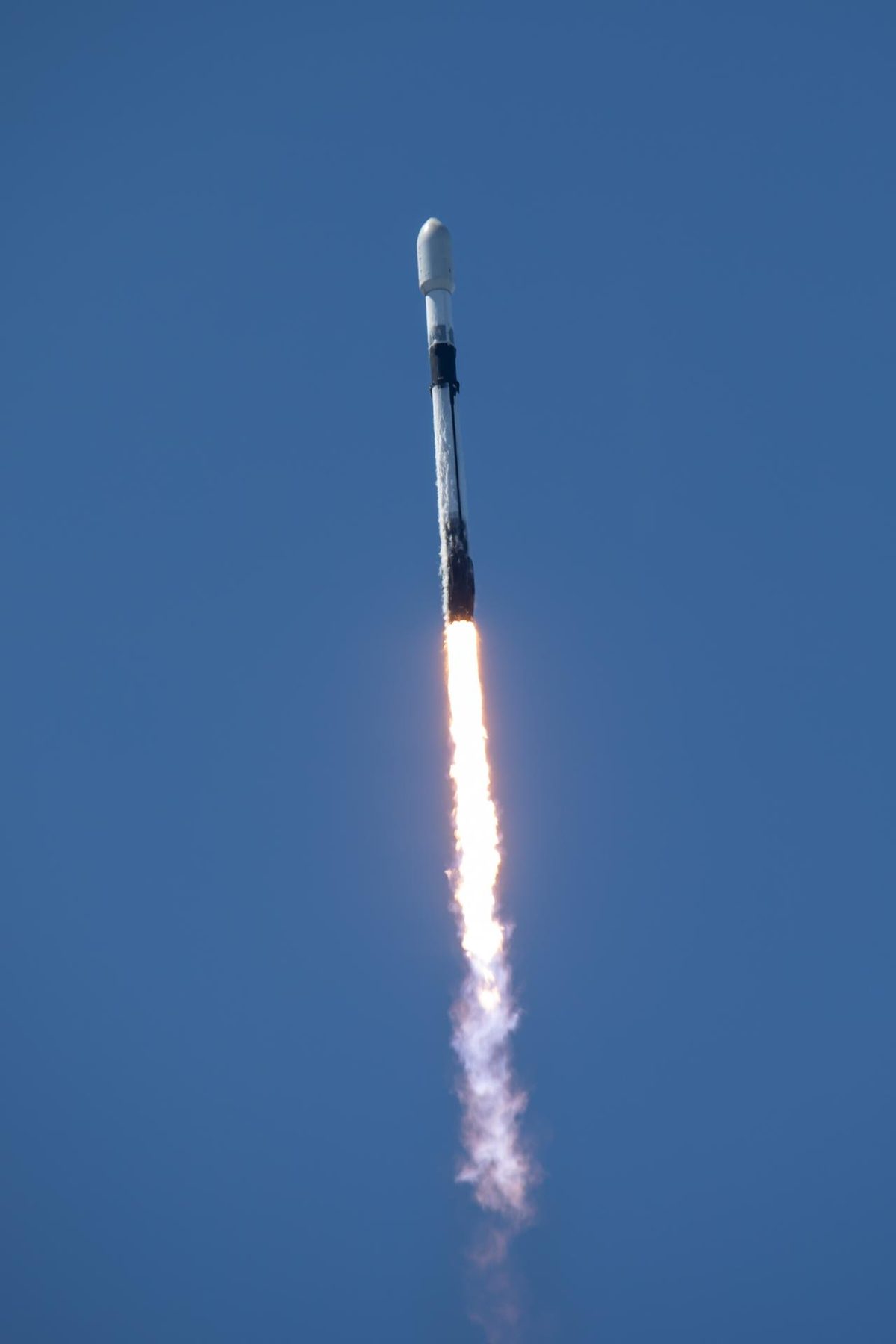
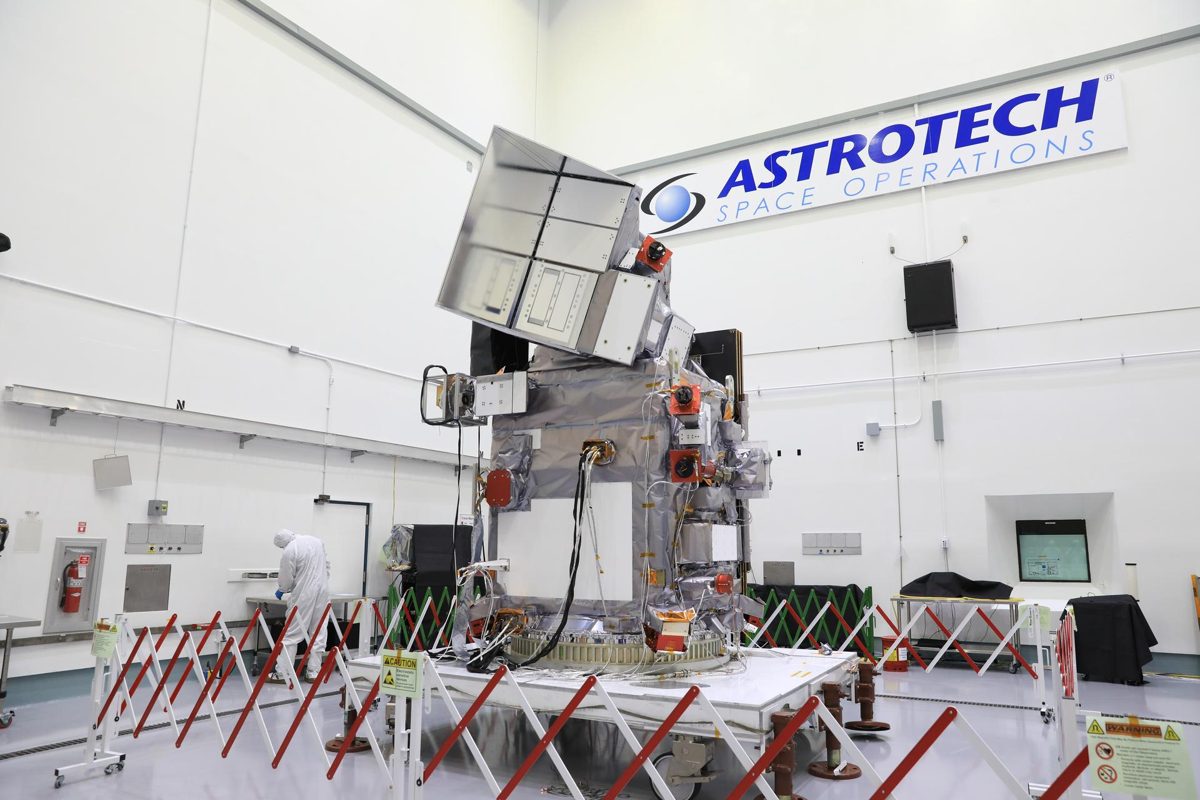
Image: NASA/KSC.
Last reviewed: 2 sources cited
A satellite whose hyperspectral Ocean Color Instrument measures light from ultraviolet to near-infrared.
Source: NASA, PACE launch
Orbiting 676 km (420 mi) above Earth, circling the planet about every 98.3 minutes.
Source: NASA, PACE mission
Phytoplankton feed ocean life and help move carbon; tracking them shows how the ocean and climate are changing.
Source: NASA, PACE mission
Agency solution · active
PACE (Plankton, Tiny bits of dust, smoke, salt or pollution floating in the air. They can block sunlight and help clouds form. Glossary, Cloud, ocean A community of living things and the place they live, like a reef or a forest, all depending on each other. Glossary) launched on February 8, 2024. Its hyperspectral Ocean Color Instrument tracks phytoplankton, tiny organisms that start the marine food web and drive the ocean's carbon cycle, and it shows how aerosols may feed their growth.
Source: NASA, PACE launch
Source: NASA, PACE mission
Want to go deeper? NASA, PACE mission has the full story and the latest updates.
For Further InformationMore solutions like this one, matched by meaning.
NASA doesn't take donations, but anyone can join one of its citizen science projects.
Sources are listed with each fact in the Five W's above.
APA
Saving Planets. (n.d.). PACE (NASA). https://www.savingplanets.com/PACE.html
MLA
"PACE (NASA)." Saving Planets, https://www.savingplanets.com/PACE.html.