FreshWater Watch (Earthwatch Europe)
FreshWater Watch trains citizen scientists to test rivers, lakes and ponds: 80,000+ datasets from 22,000+ volunteers (organization figures).
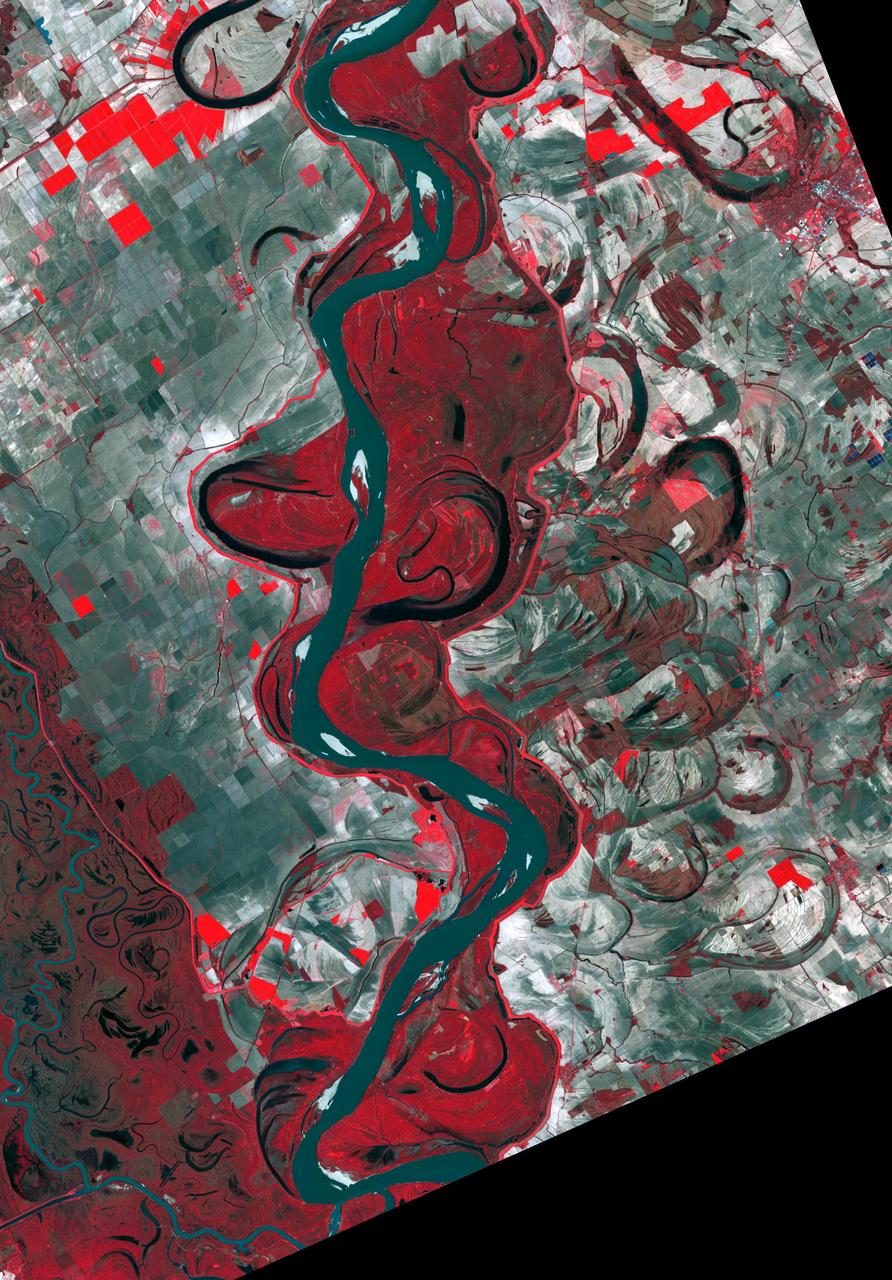
Image: NASA/JPL (PIA23534, Mississippi River).
Last reviewed: 2 sources cited
Explain Like I'm 10
- Rivers and lakes can get dirty in ways you cannot see.
- FreshWater Watch gives people simple test kits to check the water.
- Scientists and governments use the results to find problems and fix them.
Explain Like I'm 10
- Rivers and lakes can get dirty in ways you cannot see.
- FreshWater Watch gives people simple test kits to check the water.
- Scientists and governments use the results to find problems and fix them.
The Five W's of FreshWater Watch (Earthwatch Europe)
Who
FreshWater Watch, a global citizen science project created by the environmental charity Earthwatch Europe (registered charity no. 1094467).
What
Training groups and individuals to test water quality, for example nitrates and phosphates, and share the results.
When
So far 80,000+ datasets have been collected, uploaded and verified by 22,000+ citizen scientists.
Where
Rivers, lakes, streams, ponds, wetlands and reservoirs around the world.
Why
Nearly all freshwater places are affected by human-made pollution, and by 2050 half of the world's people may live in water-scarce areas.
Impact Statement
Nonprofit solution · active
FreshWater Watch reports more than 80,000 datasets from more than 22,000 citizen scientists, freely available to scientists, governments and policymakers (organization figures).
Source: FreshWater Watch, Earthwatch Europe
For Further Information: FreshWater Watch, Earthwatch Europe
More than 22,000 volunteers have tested fresh water for FreshWater Watch, creating a free global dataset.
How This Saves People & the Planet
For People
Free water-quality data helps communities and decision-makers spot pollution, like a 2025 citizen study that found metals in rivers in Corby, England.
Source: FreshWater Watch, Earthwatch Europe
For Nature
Finding pollution early helps protect fish, insects and plants in rivers, lakes and wetlands.
Support FreshWater Watch (Earthwatch Europe)
Want to go deeper? FreshWater Watch has the full story and the latest updates.
 For Further Information
Related Solutions
More solutions like this one, matched by meaning.