Want to go deeper? ESA, FLEX has the full story and the latest updates.
 For Further Information
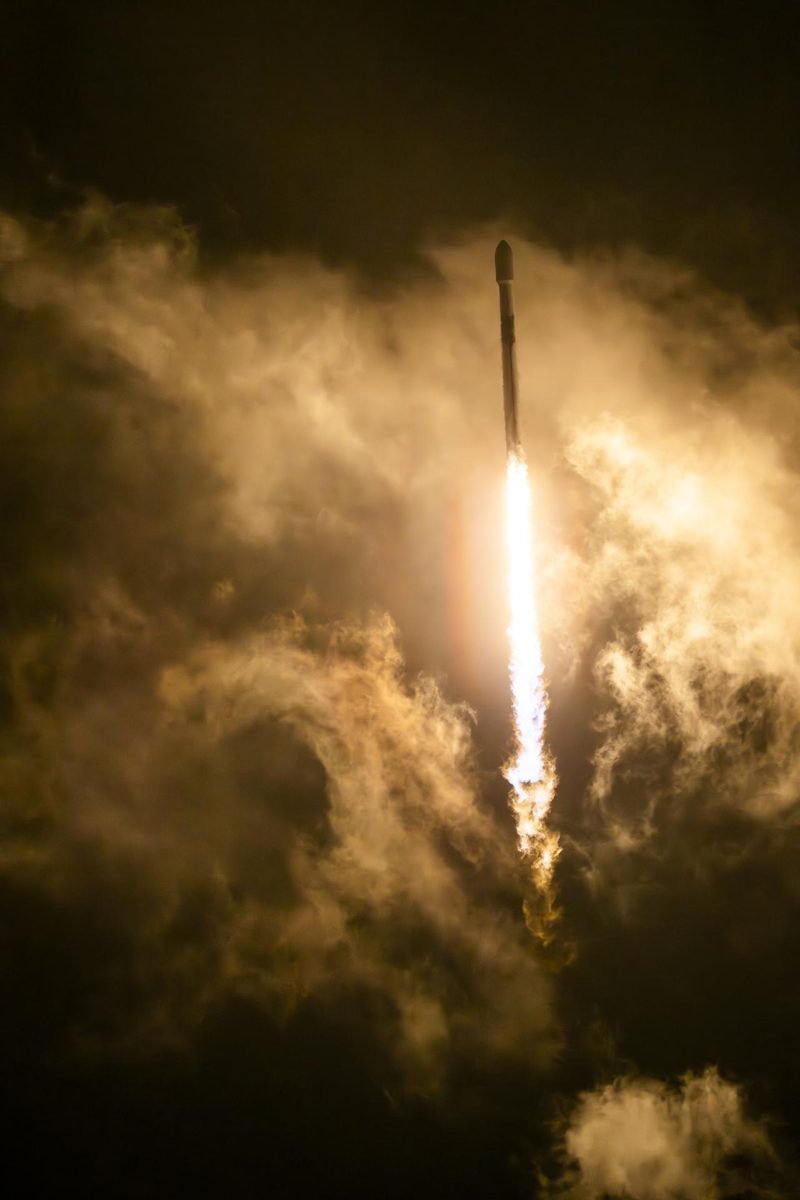
Launched together on September 15, 2026, ESA's FLEX maps the faint glow of photosynthesis while Sentinel-3C watches oceans and land.
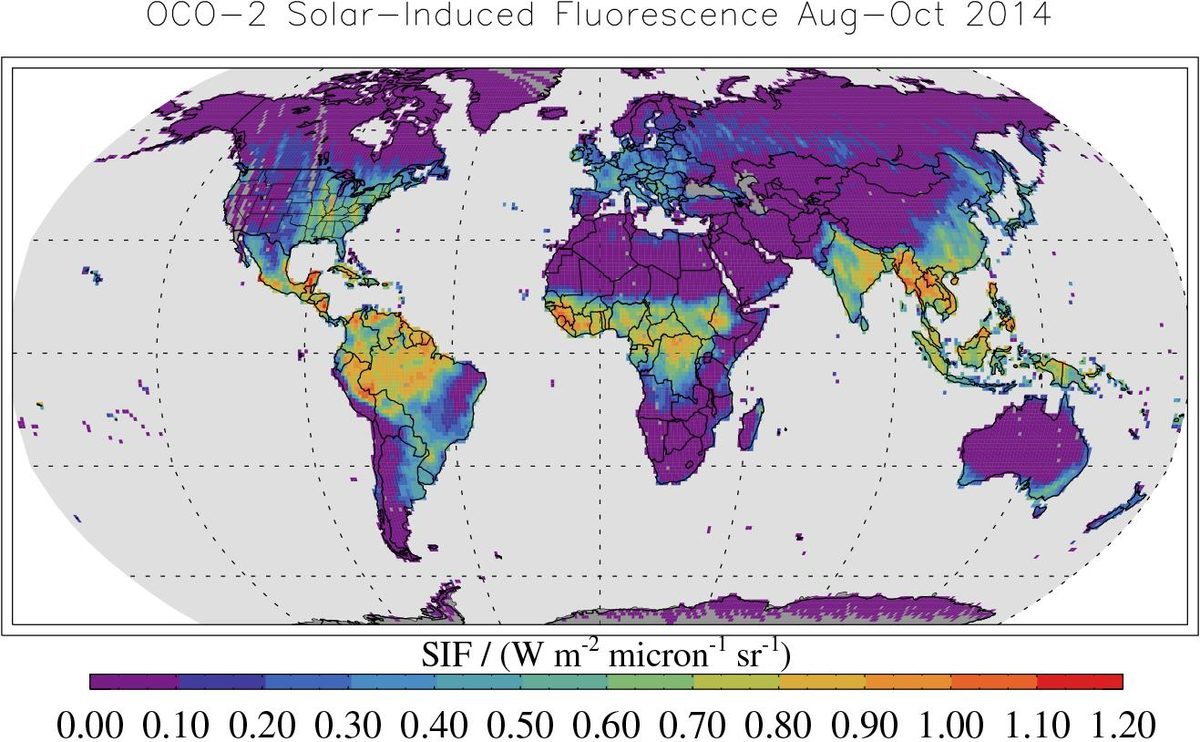
Image: NASA/JPL-Caltech.
Last reviewed: 2 sources cited
ESA, with Sentinel-3 part of the EU's Copernicus programme.
Source: ESA, FLEX
Source: ESA, Sentinel-3
Launched together September 15, 2026 on Vega-C; Sentinel-3C first views October 2026.
Source: ESA, Sentinel-3
Earth The curved path an object takes as it travels around a planet, moon or star, like a satellite circling Earth. Glossary, flying from Europe's Spaceport in French Guiana.
Source: ESA, Sentinel-3
Agency solution · active
ESA's Fluorescence Explorer (FLEX) and Copernicus Sentinel-3C launched together on a Vega-C on September 15, 2026. FLEX measures the faint fluorescence plants give off during photosynthesis to reveal the health of the world's vegetation and how carbon moves between plants and the air. Sentinel-3C, which returned its first views of Earth in October 2026, continues the Sentinel-3 record of ocean and land.
Source: ESA, FLEX
Source: ESA, Sentinel-3
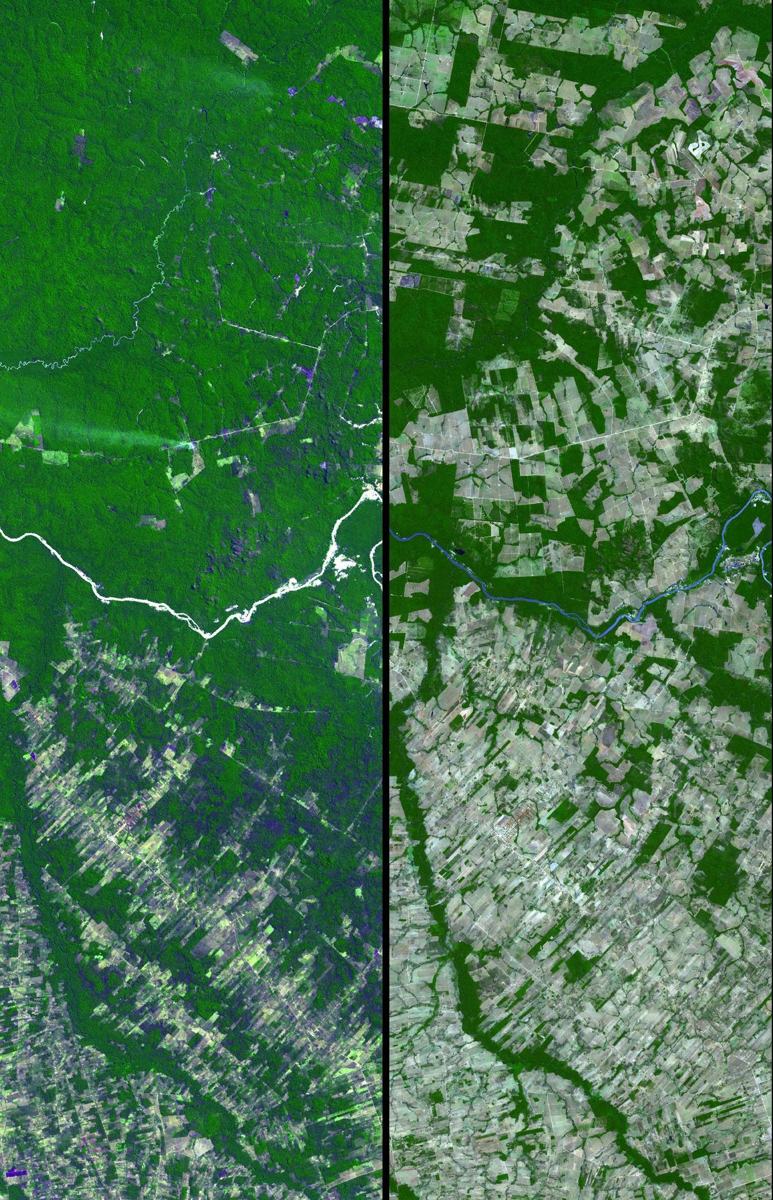
See also Deforestation.
Want to go deeper? ESA, FLEX has the full story and the latest updates.
For Further InformationMore solutions like this one, matched by meaning.
Sources are listed with each fact in the Five W's above.
APA
Saving Planets. (n.d.). FLEX and Sentinel-3C (ESA). https://www.savingplanets.com/FLEX.html
MLA
"FLEX and Sentinel-3C (ESA)." Saving Planets, https://www.savingplanets.com/FLEX.html.