Want to go deeper? ESA's Plato site has mission updates, images and the launch campaign.
 For Further Information
ESA's Plato will use 26 cameras to hunt for Earth-like planets around Sun-like stars, with launch planned for March 2027 on Ariane 6.
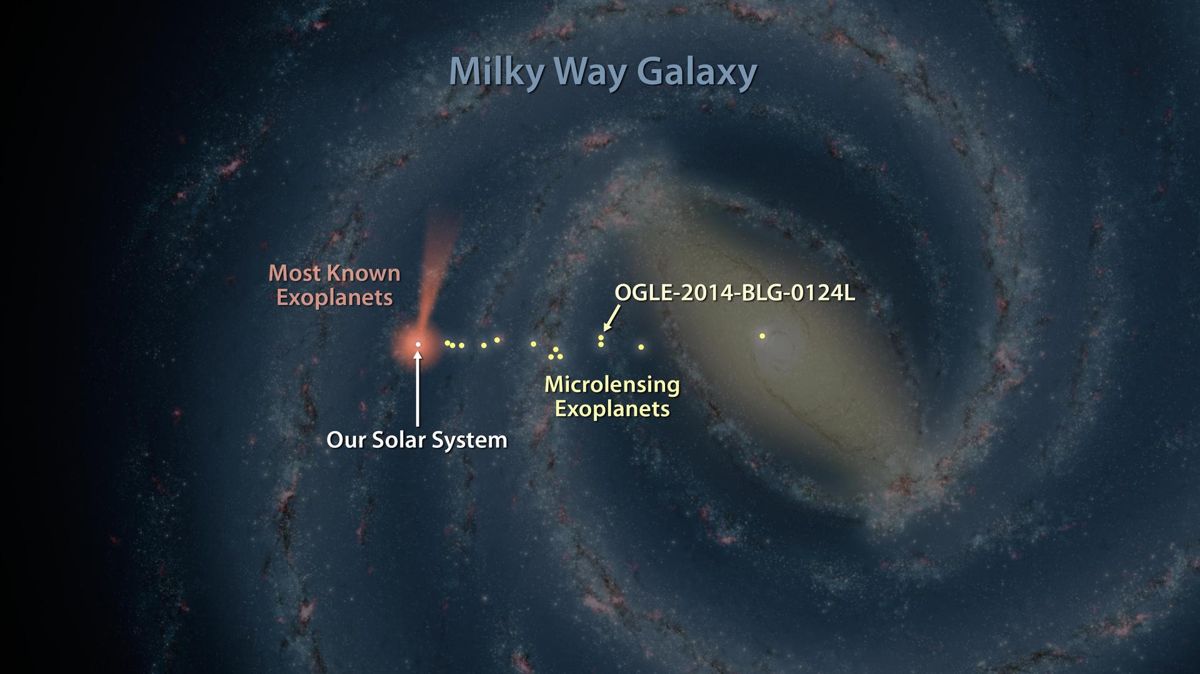
Image: NASA/JPL-Caltech (PIA19333, artist concept).
Last reviewed: 2 sources cited
PLAnetary Transits and Oscillations of stars: a space telescope with 26 cameras that studies rocky exoplanets and the stars they orbit.
Source: ESA, Plato
Source: ESA, Plato factsheet
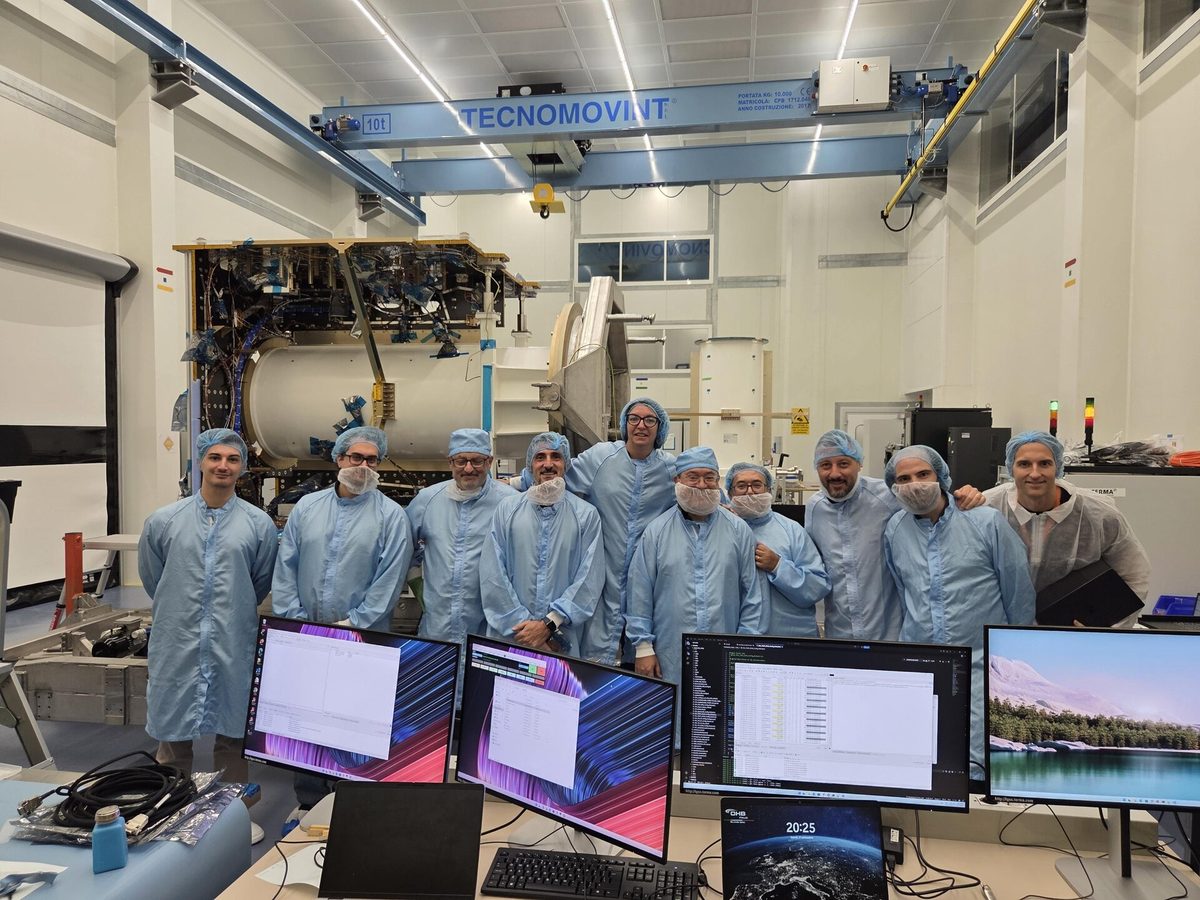
Launch planned for March 2027 on an Ariane 6 rocket. Spacecraft assembly was completed in October 2025 and final testing is under way.
Source: ESA, Plato
Source: ESA, Plato factsheet
A halo orbit around the Sun-Earth A spot in space where the pull of the Sun and Earth balance, so a spacecraft can stay in place with little fuel. L1 sits between Earth and the Sun. Glossary L2, watching more than 200,000 stars.
Source: ESA, Plato
To answer one of humanity’s biggest questions: does a second Earth exist in the Universe?
Source: ESA, Plato factsheet
Agency solution · launch planned March 2027
Plato will measure the sizes of terrestrial exoplanets in orbits up to the habitable zone of Sun-like stars, discover exomoons and rings around them, and characterize their host stars by studying tiny variations in starlight. Its 26 cameras look at more than 200,000 stars.
Source: ESA, Plato
Plato completed its milestone and critical design reviews; ESA says the spacecraft is undergoing final testing at ESTEC before launch.
Source: ESA, Plato factsheet
Plato is built to answer a question people have asked for millennia: does a second Earth exist? Its catalogue of rocky planets, with their sizes, densities and ages, will be shared with scientists worldwide.
Source: ESA, Plato factsheet
By finding rocky planets in the habitable zone of Sun-like stars and studying how such systems evolve, Plato shows how rare and precious a living world like Earth is.
Source: ESA, Plato factsheet
Want to go deeper? ESA's Plato site has mission updates, images and the launch campaign.
For Further InformationMore solutions like this one, matched by meaning.
Sources are listed with each fact in the Five W's above.
APA
Saving Planets. (n.d.). Plato (ESA). https://www.savingplanets.com/Plato.html
MLA
"Plato (ESA)." Saving Planets, https://www.savingplanets.com/Plato.html.